Beauty of Butterflies

Caleb Ryan
04-09-2024
 · Animal Team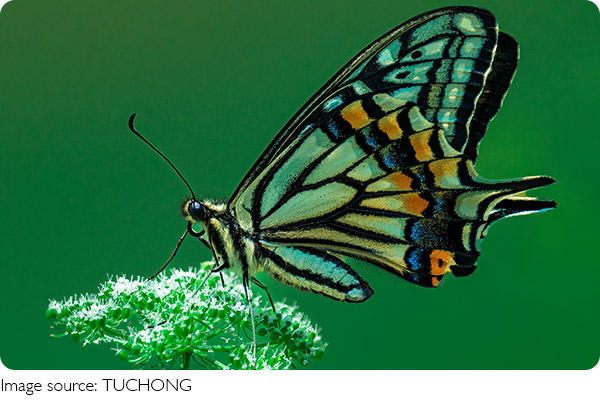
Butterflies, with their vibrant colors and delicate wings, are one of nature’s most enchanting creations. These fluttering insects are not only a visual delight but also play a crucial role in our ecosystem.
From pollinating flowers to serving as indicators of a healthy environment, butterflies are far more than just pretty creatures.
Life Cycle of a Butterfly: A Metamorphic Marvel
The life cycle of a butterfly is truly extraordinary. It starts as a small egg, typically laid on the leaves of a host plant. In a matter of days, the egg hatches into a caterpillar, or larva, which devotes its time to eating leaves and growing quickly. When fully developed, the caterpillar forms a chrysalis, or pupa, where it undergoes a remarkable metamorphosis. Inside the chrysalis, the caterpillar transforms completely, eventually emerging as a beautiful butterfly. This entire process can vary in duration, ranging from a few weeks to several months, depending on the species.
Discover the fascinating world of seahorses, unique creatures known for their horse-like heads and extraordinary breeding habits.
Let's learn something about rabbits' trivia!
The manta ray is a very docile and quiet fish.
The speed of the cheetah is overrated, but it is considered the fastest runner in the animal kingdom.
Jellyfish may look beautiful, but they are actually very dangerous.
Rabbits are very common small animals. Because they are common, it is likely to overlook some details.
Butterfly Species: A World of Diversity
There are over 20,000 species of butterflies spread across the globe, each with its unique pattern, color, and behavior. Some of the most well-known species include:
Monarch Butterfly: Famous for its epic migration from North America to Mexico, the Monarch is a symbol of endurance and beauty.
Swallowtail Butterfly: Known for its large size and striking tail-like extensions on its hindwings, the Swallowtail is a favorite among butterfly enthusiasts.
Blue Morpho: Famous for its brilliant, shimmering blue wings, the Blue Morpho butterfly is among the most captivating sights in the tropical rainforests of South America.
The Role of Butterflies in the Ecosystem
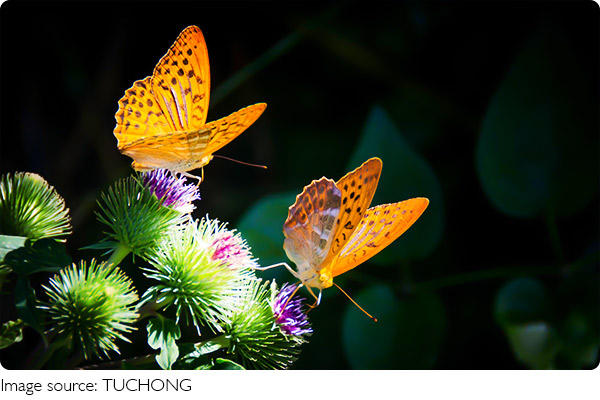
Butterflies are vital pollinators, helping plants reproduce by transferring pollen from one flower to another. This process is essential for the production of fruits and seeds, which sustain various forms of life, including humans. Butterflies also serve as a food source for birds, bats, and other wildlife, making them a crucial link in the food chain.
Butterfly Conservation: Protecting These Delicate Creatures
Sadly, numerous butterfly species are under threat due to habitat loss, pesticide usage, and climate change. Conservation efforts are vital to safeguarding these fragile creatures and their environments. By planting butterfly-friendly gardens with native species, minimizing pesticide use, and supporting conservation initiatives, we can help ensure that butterflies continue to flourish.
Butterflies in Culture and Symbolism
Butterflies have long been symbols of transformation, hope, and renewal in various cultures around the world. Their ability to undergo a complete metamorphosis from caterpillar to butterfly is often seen as a metaphor for personal growth and change. In some cultures, butterflies are also believed to be the souls of departed loved ones, bringing comfort and peace to those who see them.
Attracting Butterflies to Your Garden
If you want to bring the beauty of butterflies to your garden, consider planting a variety of nectar-rich flowers such as milkweed, coneflower, and lavender. Providing a shallow water source and avoiding the use of pesticides will also make your garden a welcoming habitat for these delicate insects.
Butterflies are more than just pretty wings: they are essential players in our environment, symbols of transformation, and sources of joy for all who encounter them. Whether you're a seasoned butterfly enthusiast or just starting to appreciate their beauty, taking steps to protect and nurture these creatures can bring a little more magic into the world.
Butterfly - Facts
Video By Occence Media