The Enigmatic Seahorse

Liam Reilly
03-09-2024
 · Animal Team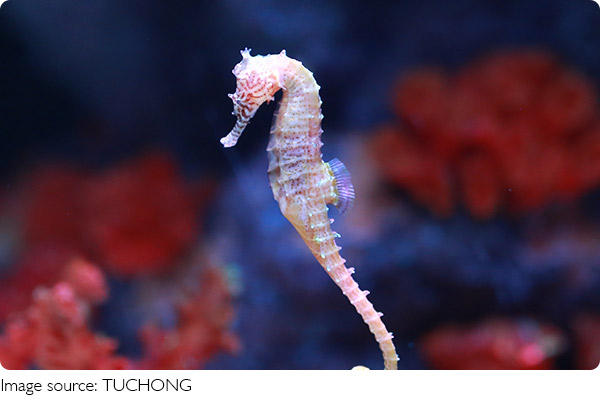
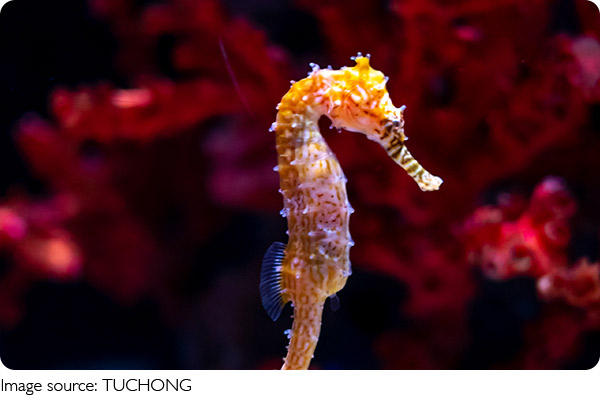
Seahorses, with their distinctive horse-like heads and curling tails, are among the ocean's most fascinating creatures.
These small, delicate fish are known not just for their unique appearance but also for their extraordinary reproductive behavior.
1. Unique Physical Traits
Shape and Size: Seahorses have a unique body shape with a prehensile tail that allows them to grasp onto seaweed and corals. They typically range from 1 to 14 inches in length.
Camouflage: Their ability to change color helps them blend into their surroundings, providing camouflage against predators.
2. Extraordinary Reproduction
Male Pregnancy: Seahorses are one of the few species where males carry and give birth to offspring. The female deposits eggs into the male's brood pouch, where they are fertilized and incubated until hatching.
Let's learn something about rabbits' trivia!
The manta ray is a very docile and quiet fish.
The speed of the cheetah is overrated, but it is considered the fastest runner in the animal kingdom.
Jellyfish may look beautiful, but they are actually very dangerous.
Rabbits are very common small animals. Because they are common, it is likely to overlook some details.
Macaws can easily live to be over 65 years old and as pets macaws can stay with you for life.
Birth: A male seahorse can give birth to anywhere from 5 to 1,500 baby seahorses at a time, depending on the species.
3. Habitat and Diet
Habitat: Seahorses are commonly found in shallow coastal waters, living in seagrass beds, coral reefs, and mangroves.
Diet: They feed primarily on small crustaceans like brine shrimp, using their long snouts to suck up their prey.
4. Conservation Concerns
Threats: Seahorses face threats from habitat loss, pollution, and overfishing. They are often caught for use in traditional medicine, as souvenirs, or for the aquarium trade.
Protection: Many species of seahorses are now protected under international law, and conservation efforts are underway to preserve their habitats.
Conclusion
Seahorses are remarkable creatures, not only for their distinctive appearance but also for their unique role in marine ecosystems. Lykkers, their fascinating behaviors, and the challenges they face make them an important species to protect and understand.
The Insane Biology of: The Seahorse
Video by Real Science