Meet the Himalayan Red Panda

Liam Reilly
02-09-2024
 · Animal Team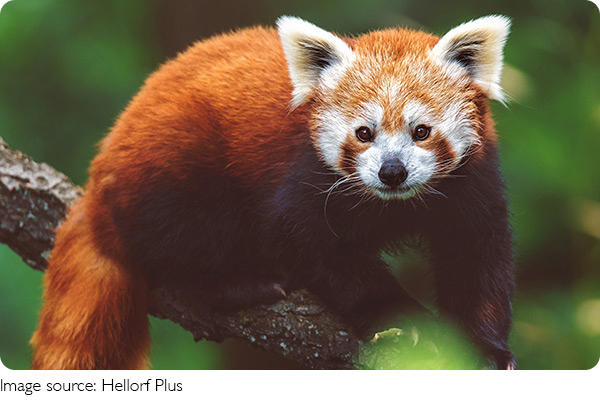
The Himalayan red panda is a captivating and elusive mammal renowned for its striking reddish-brown fur and bushy tail.
Lykkers, this enchanting species inhabits the temperate forests of the eastern Himalayas and is a symbol of wildlife conservation.
1. Distinctive Features
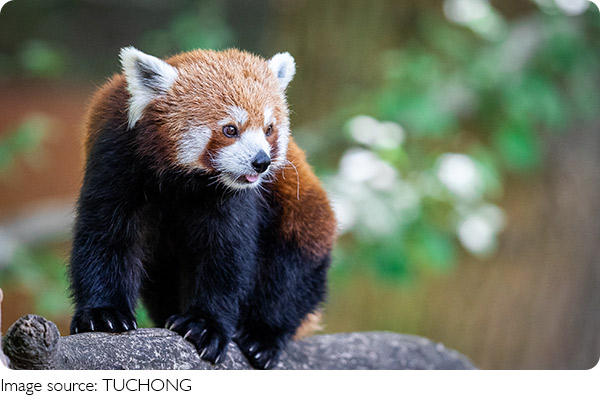
Appearance: With its red-brown fur, white face markings, and bushy tail, the Himalayan red panda has a unique and endearing appearance that sets it apart from other species.
Size: Adult red pandas are relatively small, measuring about 20 to 25 inches in body length and weighing between 8 to 14 pounds.
2. Habitat and Diet
Habitat: Red pandas are native to the temperate forests of the eastern Himalayas, including parts of Nepal, Bhutan, and northern India. They prefer high-altitude forests with dense bamboo thickets.
Discover the Eurasian Sparrowhawk's hunting skills, habitat, and characteristics that make it a remarkable raptor.
Chrysaora hysoscella have venomous stings on their tentacles, which can be incredibly painful and leave permanent scars.
The swan is known for its elegant physique, pure white feathers and streamlined body.
Do You Know The Name Of Radiant Marvels Of The Ocean's Twinkling Stars? Find Out Here!
Eurasian Hoopoe: A Colorful Jewel of the Bird World!
Giraffes: The Astonishing Giants That Tower Over the Animal Kingdom!
Diet: Their diet primarily consists of bamboo, but they also eat fruits, acorns, insects, and small animals. Red pandas have a specialized wrist bone that acts like a thumb, aiding in bamboo consumption.
3. Behavior and Adaptations
Activity: Red pandas are mostly solitary and crepuscular, meaning they are active during the dawn and dusk hours. They are skilled climbers, spending much of their time in trees.
Adaptations: Their thick fur and bushy tail help them stay warm in cold mountainous regions, while their sharp claws aid in climbing and foraging.
4. Conservation Status
Threats: The Himalayan red panda faces threats from habitat loss, poaching, and climate change. Deforestation and human encroachment are major concerns.
Protection: Efforts are being made to conserve their habitat and prevent illegal trade. They are classified as Endangered by the International Union for Conservation of Nature (IUCN).
Conclusion
The Himalayan red panda, with its unique charm and critical role in its ecosystem, is a species deserving of our attention and protection. Conservation efforts are essential to ensure that future generations can continue to admire this remarkable animal.
Adorable Red Panda Facts You Didn't Know
Video by Facts Net