Eurasian Hoopoe

Camille Dubois
02-09-2024
 · Animal Team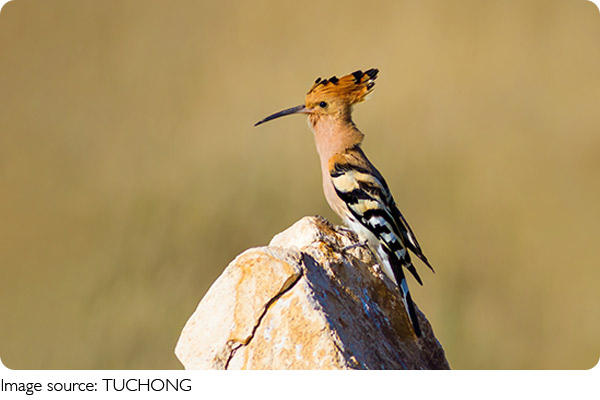
Prepare to be enchanted by the Eurasian Hoopoe, a striking bird that it's impossible to miss. With its flamboyant plumage, distinctive crown, and unique call, the Eurasian Hoopoe is a true marvel of the avian world.
Let's take a closer look at this vibrant bird and discover what makes it a standout species across Eurasia.
The Eurasian Hoopoe: A Visual Delight
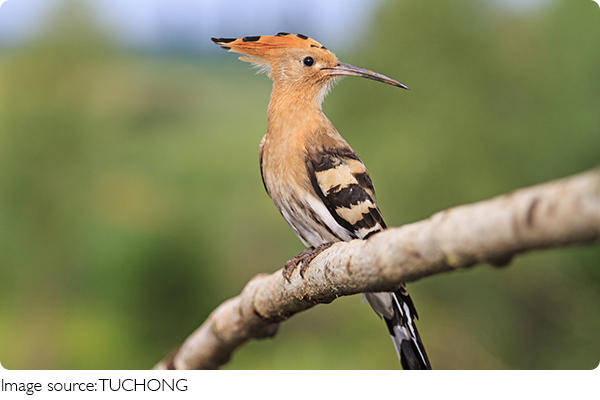
The Eurasian Hoopoe is renowned for its eye-catching appearance. This medium-sized bird measures about 12 to 14 inches in length, with a wingspan of approximately 20 to 26 inches. Its most striking feature is the large, fan-like crest on its head, which it can raise or lower at will. The crest, along with the bird's vivid orange and black striped plumage, creates a dazzling display. The body is a warm, pinkish-brown with black and white barring on the wings and tail, adding to its overall charm.
Giraffes: The Astonishing Giants That Tower Over the Animal Kingdom!
Penguins have a great way of keeping warm that you can't learn! How do they survive the Antarctic winter?
Who Doesn't Love Penguin? Wanna Know More About This Adorable Creature?
Cat Body Language: 15 Ways Your Cat Is Secretly Communicating with You.
Mastering water quality is key to a thriving goldfish: monitor, maintain, and enjoy a healthy tank.
The super killer in nature! No prey can escape from its silent and precise attack!
Diet and Feeding: A Taste for Insects
The Eurasian Hoopoe is an insectivore with a diet primarily consisting of insects and other small invertebrates. It uses its long, slender bill to probe the ground, extracting beetles, ants, and caterpillars from the soil. The hoopoe's feeding technique is highly specialized: it pecks and flicks its bill in the soil, searching for hidden prey. Its excellent sense of smell helps it locate food beneath the surface, making it an efficient and skilled hunter.
Distinctive Call: The Hoopoe's Signature Sound
One of the most memorable features of the Eurasian Hoopoe is its call, often described as a distinctive "trumpet-like" sound. The call, which sounds like "oop-oop-oop," is used to communicate between mates and establish territory. This vocalization is a key part of the hoopoe's presence, especially during the breeding season when they are most active. The call's unique quality makes it easily recognizable and adds to the bird's charismatic allure.
Breeding and Nesting: A Family Affair
Breeding season for the Eurasian Hoopoe is a time of intense activity. The female typically lays 5 to 10 eggs in a nest cavity, which can be in a tree hole, a building eaves, or even a rock crevice. During incubation, which lasts about 15 to 19 days, the female is responsible for keeping the eggs warm, while the male provides food. Once hatched, the chicks are fed a diet of regurgitated insects. The family bond is strong, with both parents actively participating in raising their young until they fledge, or leave the nest, after about 30 to 35 days.
Migration and Range: A Journey Across Continents
The Eurasian Hoopoe is a migratory bird whose range spans Europe, Asia, and parts of Africa. In the summer, it can be found in a variety of habitats, from open woodlands and grasslands to parklands and gardens. As the colder months approach, it migrates to its wintering grounds in Africa and southern Asia. This migration ensures the hoopoe has access to abundant food sources throughout the year and avoids the harshest winter conditions.
Conservation Status: Keeping the Hoopoe Flying High
The Eurasian Hoopoe is currently classified as "Least Concern" by the International Union for Conservation of Nature (IUCN), thanks to its wide distribution and stable population. However, habitat loss and changes in agricultural practices can impact local populations. Conservation efforts focus on preserving natural habitats and ensuring that the bird's diverse range remains protected. By supporting habitat conservation and sustainable land use, we can help ensure that the Eurasian Hoopoe continues to thrive.
The Eurasian Hoopoe is a dazzling example of avian beauty and adaptability. With its striking appearance, distinctive call, and fascinating behaviors, this bird captures the imagination and hearts of those lucky enough to encounter it. Whether it's its colorful plumage or its lively presence, the Eurasian Hoopoe is a testament to the diversity and wonder of the bird world.
Nesting birds – Eurasian hoopoe (Upupa epops)
Video By Lukáš Pich