Prairie Dogs

Arjun Mehta
28-08-2024
 · Animal Team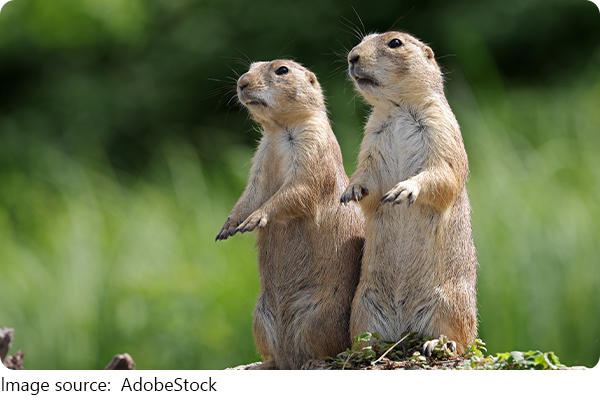
Meet the prairie dog, a small but mighty creature that plays a pivotal role in the ecosystems of North America's grasslands. These burrowing rodents, known for their complex social structures and extensive underground networks, are much more than just cute animals popping in and out of the ground.
Prairie dogs are true architects of their environment, and their existence is crucial to the survival of many other species in their habitat.
What Are Prairie Dogs?
Species and Habitat
Prairie dogs are a type of ground squirrel belonging to the genus Cynomys. There are five species of prairie dogs, with the black-tailed prairie dog being the most well-known. These animals are primarily found in the grasslands of North America, from southern Canada to northern Mexico. They thrive in wide-open spaces where they can dig their elaborate burrow systems.
Polar bears reign supreme in the Ursidae Family, yet even they face formidable natural foes.
Discover the Jaw-Dropping Secrets of Elephants That Will Leave You Speechless!
This Everyday Cat Feature Will Change How You See Your Pet Forever—Find Out Why!
Jellyfish are mesmerizing, glowing sea drifters with quirky shapes and vital roles in ocean life!
The most beautiful parrot - the scarlet macaw is known as the king of the parrot world.
Explore the fascinating world of manta rays, their unique features, habitat, and the conservation efforts to protect these creatures.
Physical Characteristics
These rodents are small, with adults typically weighing between 1.5 to 3 pounds. They have stout bodies, short tails, and strong legs adapted for digging. Prairie dogs are social animals, often seen in large groups called "towns," where they engage in grooming, communication, and playful activities.
Prairie Dogs and Their Burrow Systems
Underground Cities
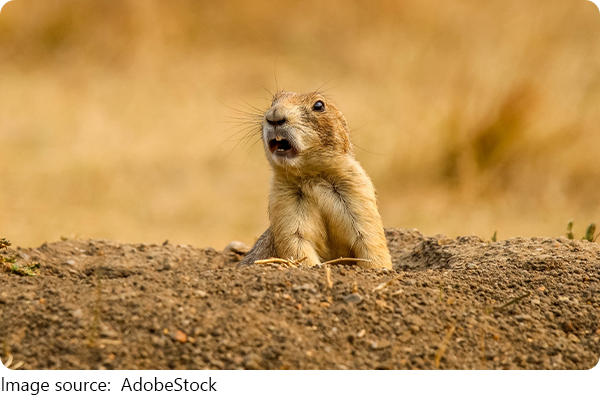
Prairie dogs are known for creating complex burrow systems that serve as their homes and provide protection from predators. These burrows can stretch for miles and include various chambers for sleeping, rearing young, and storing food. Each burrow is equipped with multiple entrances and exits, which help prairie dogs evade predators like hawks, coyotes, and snakes.
Environmental Impact
The burrowing activity of prairie dogs significantly influences the grassland ecosystem. Their digging aerates the soil, promotes water absorption, and helps maintain the health of the grasslands. Additionally, their burrows provide shelter for other species, such as burrowing owls, snakes, and insects, making prairie dogs a keystone species in their habitat.
Social Structure and Communication
Complex Social Behavior
Prairie dogs live in family groups called coteries, consisting of a dominant male, several females, and their offspring. These coteries form larger colonies or "towns" that can span several acres. Within these towns, prairie dogs engage in cooperative behaviors such as grooming, babysitting, and foraging.
Vocal Communication
One of the most fascinating aspects of prairie dogs is their sophisticated communication system. They use a range of vocalizations to alert each other to danger, with different calls for specific predators. Researchers have even found that prairie dog calls can convey detailed information about the size, shape, and speed of an approaching threat, making their communication system one of the most advanced in the animal kingdom.
The Role of Prairie Dogs in the Ecosystem
Supporting Biodiversity
Prairie dogs are essential for maintaining the biodiversity of their environment. Their burrows provide habitats for many other species, and their grazing habits help keep the grasslands healthy and prevent overgrowth. In fact, many species, including the endangered black-footed ferret, depend on prairie dogs for survival.
Challenges and Conservation
Despite their importance, prairie dog populations have been declining due to habitat loss and disease. Conservationists are working to protect these animals by restoring their habitats, monitoring populations, and raising awareness about their ecological significance.
Prairie dogs are more than just adorable, burrowing rodents; they are the backbone of the grassland ecosystems. Their social behavior, complex communication, and environmental impact make them a fascinating and crucial species. By understanding and protecting prairie dogs, we help ensure the survival of countless other species that share their habitat. So, the next time you see a prairie dog popping out of its burrow, remember that you're looking at one of nature's most important engineers!
The Prairie Dog Life | Destination WILD
Video By Nat Geo WILD