Battle of the Bears

Elena Rossi
28-08-2024
 · Animal Team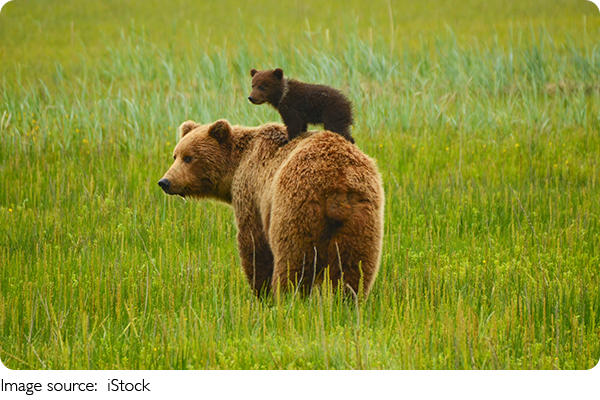
In nature, bears have always been among the most formidable creatures.
Not only do they possess an impressive size, but they also exhibit remarkable strength and intelligence, making them one of the most dominant predators in their habitats.
The primary representatives of bears include the polar bear, brown bear, and grizzly bear. While these species belong to the same family, they exhibit significant differences in their living habits, body shapes, and strengths. This raises the question: which of these bears is the most powerful?
Firstly, the polar bear undoubtedly stands out as the most exceptional among them. Polar bears inhabit the frigid Arctic Circle, a region known for its extreme cold. Their body length typically ranges between 250 and 300 centimetres, and their weight can vary from 400 to 600 kilograms.
Discover the Jaw-Dropping Secrets of Elephants That Will Leave You Speechless!
This Everyday Cat Feature Will Change How You See Your Pet Forever—Find Out Why!
Jellyfish are mesmerizing, glowing sea drifters with quirky shapes and vital roles in ocean life!
The most beautiful parrot - the scarlet macaw is known as the king of the parrot world.
Explore the fascinating world of manta rays, their unique features, habitat, and the conservation efforts to protect these creatures.
Discover fascinating facts about giraffes, including their unique adaptations, habitat, and behavior, and what makes them stand out.
Polar bears are considered among the strongest carnivores on land, primarily feeding on seals, dolphins, whales, and other marine mammals. Their hunting abilities are not only highly developed, but they also possess excellent swimming skills, essential for survival in their icy environment.
There have been records of polar bears swimming as far as 65 kilometres in search of food. In the wild, polar bears have a lifespan of around 25 to 30 years, a longevity closely related to the harsh living conditions they face.
During the summer, when the ocean is not frozen, polar bears are often in a state of near starvation. To conserve energy, they lower their body temperature and reduce their activity levels, displaying a remarkable adaptability to survive in such a challenging environment.
Brown bears, on the other hand, are typically found in the coniferous forests of Eurasia. With a body length of about 200 to 300 centimetres and a weight ranging from 200 to 500 kilograms, brown bears rank among the largest mammals on land.
They have an omnivorous diet, feeding on a wide variety of foods. In addition to hunting large herbivores and fishing, brown bears have been known to scavenge the remains of climbers and, on rare occasions, even view humans as potential prey.
The intelligence and learning capabilities of brown bears are impressive. There have been documented cases of brown bears causing significant harm to humans, such as the infamous incidents in Hokkaido, Japan, where brown bears attacked and killed several people.
These incidents highlight the brown bear's aggressive nature and survival intelligence. In encounters with humans, brown bears have demonstrated superior strength and endurance, making them a formidable opponents that should not be underestimated.
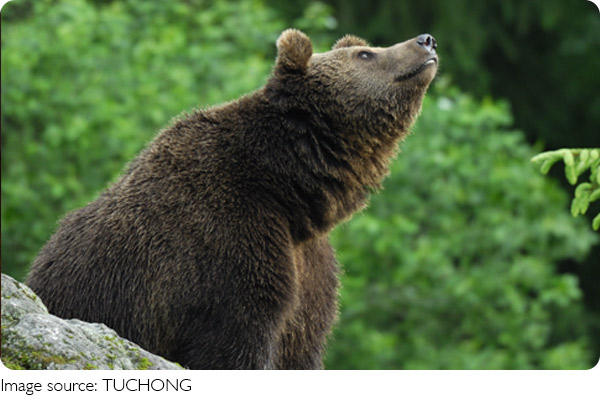
The grizzly bear, primarily found in North America, is similar in size and weight to the brown bear, and their lifespans are comparable. Grizzly bears possess an extraordinary ability to learn and adapt, which has led to their capture and training for circus performances or television shows.
However, despite their seemingly docile appearance in captivity, the grizzly bear remains a powerful and wild animal. In their natural habitat, grizzly bears exhibit behaviours similar to brown bears, showcasing their exceptional survival and hunting skills. This duality of being both captivating and dangerous underscores the complex nature of grizzly bears.
If one were to imagine a competition among these three bear species, the polar bear would likely have the upper hand in terms of size.
The harsh polar environment has led to the polar bears developing a substantial layer of fat, which not only insulates them against the cold but also gives them a significant advantage in size and weight over brown bears and grizzly bears.
In comparison, brown bears and grizzly bears are almost indistinguishable in terms of size and strength, making it challenging to determine which of the two is superior. However, when compared to the polar bear, both the brown bear and the grizzly bear are clearly at a disadvantage.
Despite their dominance within the Ursidae Family, polar bears are not without their natural predators. For instance, killer whales, or orcas, have been known to pose a significant threat to polar bears.
These marine predators can use their powerful tail fins to create waves that break up the ice, causing polar bears to fall into the water. This strategy highlights the dangers that even the most powerful land predators face from the sea.
Polar bears, brown bears, and grizzly bears each possess unique survival skills and characteristics shaped by their environments and lifestyles.
However, even the most powerful bears are not immune to the threats posed by other predators and the harsh realities of the natural food chain. This intricate balance of power in nature ensures that no single species can reign supreme without facing its own set of challenges.