Secrets of Bengal Tigers

Amit Sharma
09-08-2024
 · Animal Team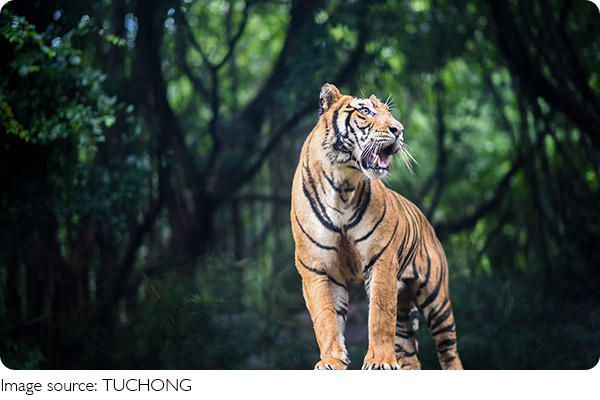
Hello, Lykkers!
Have you ever marveled at the regal Bengal tiger, a symbol of wilderness and beauty in the animal kingdom?
The Bengal tiger, known for its striking orange coat and bold black stripes, is one of the most iconic animals in the world. Found primarily in India and Bangladesh, this magnificent creature is not just a symbol of beauty but also an essential part of the ecosystem.
The Bengal tiger is the largest member of the cat family, with males typically weighing around 220 to 300 kilograms (485 to 660 pounds). Their powerful build and muscular bodies allow them to be agile hunters, capable of taking down large prey such as deer.
One of the most fascinating aspects of the Bengal tiger is its adaptability. These tigers can be found in various habitats, from the dense mangrove swamps of the Sundarbans to the lush forests of Central India and the grasslands of the Terai. This adaptability has allowed the Bengal tiger to survive in a variety of environments, although they are now endangered due to habitat loss.
This small-sized bird delights bird enthusiasts with its stunning appearance and fascinating behaviours.
Unbelievable! They can turn back to toddlers to avoid aging!
Click to witness how the world's largest bird lives a life of legend!
The golden eagle, an apex predator with keen eyesight, symbolizes strength and thrives across continents.
Cats respond more to their owners’ voices than strangers, revealing their deep emotional bond and unique social skills.
Hummingbirds dazzle with their hovering prowess, thanks to unique wing movements and high metabolism.
The Bengal tiger's striking appearance is not just for show. Their distinctive coat provides excellent camouflage in their natural habitats. The black stripes on their orange fur help break up their outline, making it easier for them to stalk and ambush prey. Each tiger's stripe pattern is unique, much like human fingerprints, allowing for individual identification.
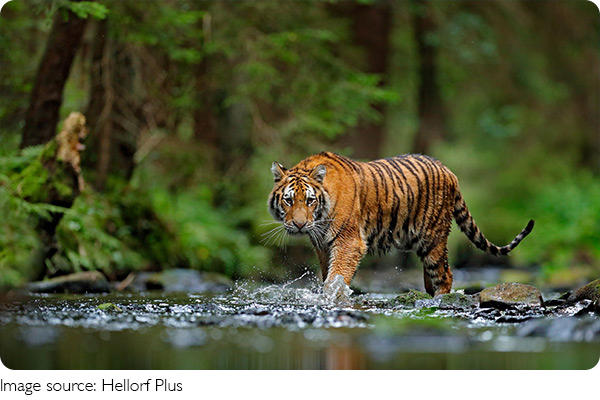
In addition to their hunting prowess, Bengal tigers are also known for their swimming skills. Unlike most cats, they enjoy the water and are strong swimmers, often seen cooling off in rivers and lakes. This ability helps them hunt prey that might seek refuge in water.
Efforts to protect Bengal tigers have been ongoing, with numerous conservation programs in place. National parks and wildlife sanctuaries across India and Bangladesh are dedicated to preserving these magnificent creatures and their habitats. Organizations like the World Wildlife Fund (WWF) and the Wildlife Protection Society of India (WPSI) work tirelessly to combat poaching and raise awareness about the importance of tiger conservation.
Despite these efforts, the Bengal tiger population remains vulnerable. It's estimated that there are only around 2,500 Bengal tigers left in the wild. Protecting them requires global cooperation and continuous effort to ensure these majestic animals do not disappear from our planet.
Let's continue to support tiger conservation and share the beauty of the Bengal tiger with others. Who's excited to learn more about these incredible creatures and help in their preservation? Share your thoughts and any interesting facts you know about Bengal tigers in the comments below!
Together, we can make a difference and ensure the survival of these magnificent animals for future generations to admire and appreciate.