Secrets of Animal Longevity

Caleb Ryan
09-08-2024
 · Animal Team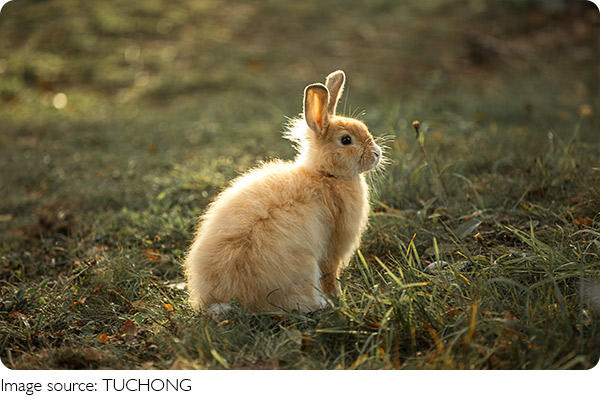
When it comes to an animal with a long lifespan, what will occur to your mind at first? That would not be rabbits, right? However, there's a very special rabbit named Flopsy who did something amazing.
The Unexpected Power of Nature
Flopsy wasn't just any wild rabbit—she lived for 18 whole years! That's a huge surprise because most wild rabbits only live for about 1 or 2 years. Flopsy was born in the wilds of Australia and later found by a family who took care of her. She ended up living longer than any other rabbit on record, which made her famous! Flopsy's long life is just one example of how some animals can live much longer than we might expect.
Just like Flopsy, other creatures from the depths of the ocean to high up in the skies have their incredible ways of living for a very, very long time. Let's dive in and discover the secrets behind these amazing animals' long lives!
Click to witness how the world's largest bird lives a life of legend!
The golden eagle, an apex predator with keen eyesight, symbolizes strength and thrives across continents.
Cats respond more to their owners’ voices than strangers, revealing their deep emotional bond and unique social skills.
Hummingbirds dazzle with their hovering prowess, thanks to unique wing movements and high metabolism.
What makes Lions the kings of African savanna.
How does a hummingbird suck liquid into its mouth when its tongue is so narrow?
The Ageless Wonder: The Immortal Jellyfish
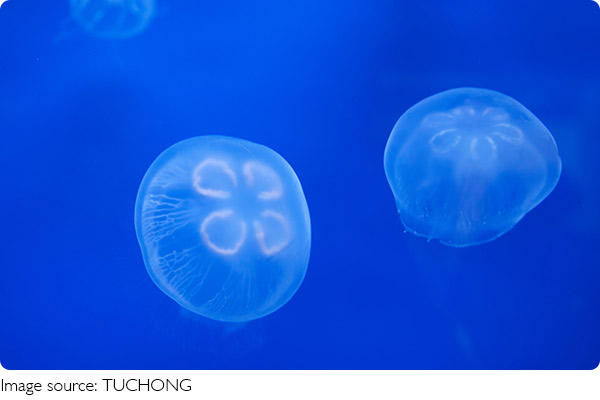
Let's start with a real head-scratcher: the immortal jellyfish. This tiny creature, known scientifically as Turritopsis dohrnii, has an incredible trick up its sleeve. When it's injured or starving, it can revert to its juvenile form, essentially starting its life over. Imagine if we could turn back into a toddler to avoid aging! This process, called transdifferentiation, allows it to bypass death and keep on living, making scientists wonder about the possibilities for human medicine.
The Incredible Way This Jellyfish Goes Back in Time
Video by Real Science
Slow and Steady: The Galápagos Tortoise
On the Galápagos Islands, the giant tortoise lives life at a slow and steady pace - and it pays off. These gentle giants can live to be over 100 years old, with some even reaching 150. They don't have many predators and enjoy a green leafy diet, which seems to do the trick. Their slow metabolism and large size likely play a role in their impressive longevity. It's a good reminder that sometimes, taking it slow can be a good thing.
Arctic Giants: The Bowhead Whale
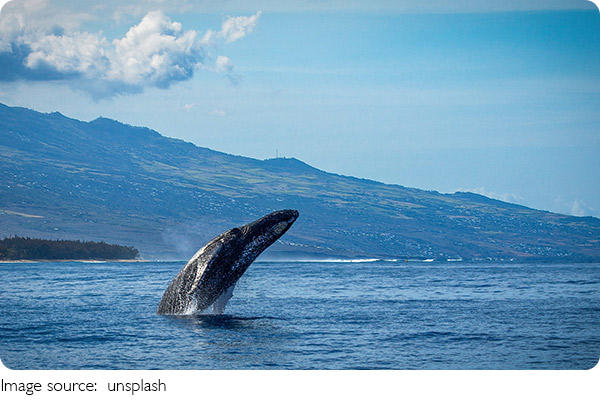
In the freezing waters of the Arctic, the bowhead whale is king of longevity among mammals. These whales can live over 200 years! Scientists have found harpoon fragments in their blubber from the 19th century, and their eye lenses also tell the tale of their ancient ages. Bowhead whales have special genetic adaptations that help protect their cells from aging, offering clues that could one day help extend human life.
The Remarkable Rodents: Mole Rats
Mole rats might not be winning any beauty contests, but they sure know how to stick around to be alive. These rodents can live up to 30 years, far outliving their mouse cousins. They resist cancer, maintain healthy proteins, and have low metabolic rates, which all help them beat the odds. Studying these small creatures gives scientists a peek into the genetic and biological secrets that could help fight aging and disease.
High-Flying Longevity: The Albatross
Albatrosses are masters of the skies, and they live impressively long lives. Some species can live for over 60 years, thanks in part to their efficient flying and minimal energy use. They spend most of their lives gliding over the ocean, avoiding many of the dangers that land-dwellers face. Their long lifespans offer a unique perspective on how lifestyle and environment can contribute to longevity.
Lessons from the Animal Kingdom
The impressive lifespans of these animals do more than just make for interesting trivia. They offer valuable lessons for humans. By studying these creatures, scientists are uncovering the biological processes that contribute to long, healthy lives.
Whether it's the regenerative abilities of the immortal jellyfish or the cancer resistance of the mole rat, each species provides clues that could one day help us live longer and healthier lives. While we might not be able to turn back into children like jellyfish, understanding these natural wonders brings us one step closer to unlocking the secrets of longevity.