Masters of Alpine Heights
Caleb Ryan
08-08-2024
 · Animal Team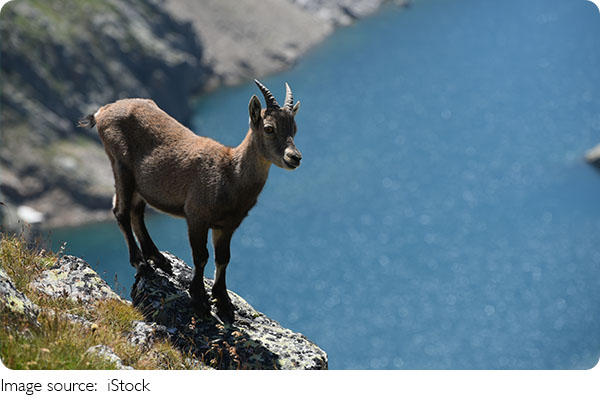
The Alpine ibex, a wild goat native to the rugged terrains of the Alps, is renowned for its tenacious survival skills and graceful climbing abilities.
The role of the Alpine ibex in nature, coupled with its unique physiological adaptations, makes it an indispensable component of the Alpine ecosystem.
Appearance and Characteristics
Male and female Alpine ibexes exhibit notable differences in size and appearance. Male ibexes can reach up to 90 cm in height and weigh between 65 and 100 kg. Their most striking feature is their long, curved horns, which can extend up to 1 meter.
These horns serve multiple purposes, functioning as both a display of dominance during courtship and a vital tool for defense against predators.
Cats' eyes reveal a mysterious world with wide vision, keen motion detection, and exceptional night vision.
The Alexandrine Parakeet, with its vibrant plumage and lively nature, makes a captivating pet.
Temperature determines the gender? That's fake for humans but true for this animal!
Older male elephants are key to elephant society. What's their role?
Why Do Cats Eat Grass? Unusual Cat Behaviors Explained
Amazing facts about elephants that you probably did not know.
In contrast, female ibexes are smaller, with an average height of about 80 cm and a weight ranging from 45 to 55 kg. Their horns are shorter and more slender, typically measuring only 20 to 30 cm in length.
Habitat and Distribution
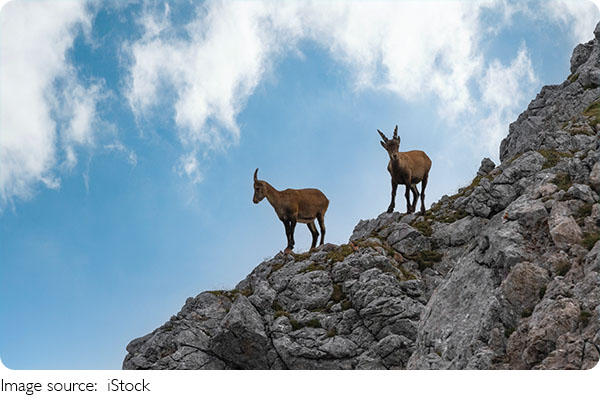
The Alpine ibex primarily inhabits the high mountain regions of the Alps, with a distribution that spans France, Italy, Switzerland, and Austria. These animals thrive at altitudes ranging from 2,000 to 3,000 meters above sea level, where they navigate steep rock faces and alpine meadows.
These high-altitude environments provide ample food and water resources, while also offering a haven from predators. The ibex’s remarkable climbing ability allows them to scale steep rock walls, a skill that helps them evade predators such as wolves, foxes, and eagles.
Diet and Behavior
Alpine ibexes are herbivores, feeding mainly on grasses, mosses, lichens, and shrubs. Their diet varies seasonally, with summer being the peak feeding period. During this time, ibexes consume large quantities of plants to build up fat reserves for the winter months.
In winter, they rely on the remnants of plants and low-lying shrubs that can be found beneath the snow. To access these nutrient-rich but hard-to-reach foods, ibexes often climb steep rock faces, a task that is difficult for other herbivores.
Reproduction and Life Cycle
The breeding season for Alpine ibexes occurs in the fall, marked by intense competition among males for mating rights. Males engage in fierce battles, using their massive horns to ram and wrestle each other. These battles can lead to injuries or even fatalities.
The victorious male earns the right to mate with the females. The gestation period lasts about six months, with females typically giving birth to one or two young in the spring.
Newborn ibexes are remarkably resilient and able to stand and walk within hours of birth—a critical adaptation for survival in the harsh alpine environment.
Adaptations for Survival
The Alpine ibex’s adaptations are key to its survival in the harsh alpine environment. Its hooves are specially adapted to provide a firm grip on rocky surfaces, allowing it to navigate steep and uneven terrain with ease.
The ibex’s thick fur provides insulation against the cold, while its strong, agile body enables it to make impressive leaps from rock to rock. These physical traits, combined with their keen senses and social behaviors, make the ibex a master of its high-altitude domain.
In Conclusion
The Alpine ibex is a symbol of resilience and adaptability in the face of adversity. Its unique physiological and behavioral characteristics enable it to thrive in the challenging alpine environment.
By protecting the ibex, we contribute to the broader goal of safeguarding biodiversity and ensuring the health and sustainability of our planet for future generations.