The Graceful Beauties

Liam Reilly
28-07-2024
 · Animal Team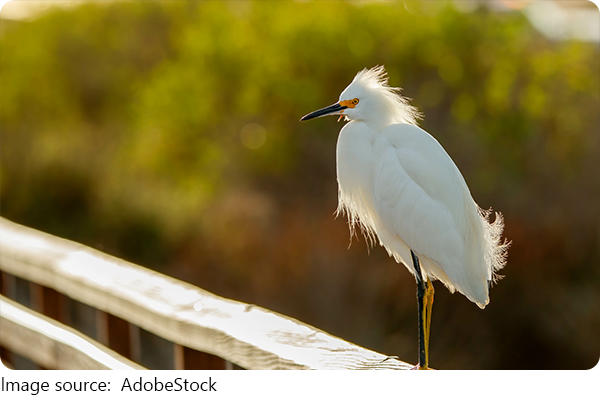
Snowy Egrets (Egretta thula) are among the most elegant and captivating birds found in the wetlands of North and South America.
Known for their striking white plumage, slender black legs, and bright yellow feet, these birds are a sight to behold as they wade gracefully through shallow waters in search of food.
Let's explore the fascinating characteristics, behavior, habitat, and conservation status of Snowy Egrets, shedding light on why these birds are cherished by birdwatchers and conservationists alike.
Physical Characteristics
Snowy Egrets are medium-sized wading birds, standing about 24 inches tall with a wingspan of up to 41 inches. Their all-white feathers are complemented by a slender black bill and striking yellow eyes. One of their most distinctive features is their bright yellow feet, which contrast sharply with their black legs. During the breeding season, Snowy Egrets develop long, delicate plumes on their heads, necks, and backs, which they use in courtship displays to attract mates.
Laziness is considered a negative behavior in human society, but in the animal kingdom it can be a survival strategy.
The Bengal tiger is one of the most iconic animals on earth.
Want to get enough sleep? Find out what kind of “sleep animal” you are first.
Flamingos are always associated with exoticism.
The origin and characteristics of the shell on the snail's back.
Let's Meet the World's Smartest Animals!
Habitat and Distribution
Snowy Egrets are primarily found in coastal and inland wetlands, including marshes, swamps, estuaries, and lagoons. Their range extends from the United States and Canada in the north, through Central America, and into South America as far south as Argentina and Chile. These birds are highly adaptable and can be found in both freshwater and saltwater habitats, making use of any environment that provides adequate food resources and nesting sites.
Behavior and Diet
Snowy Egrets are known for their active foraging behavior. They use a variety of techniques to catch their prey, including standing still and waiting for fish to come close, or actively stirring up the water with their feet to flush out small fish, crustaceans, and insects. Their diet is diverse and can include fish, frogs, snails, crustaceans, and insects. Snowy Egrets are often seen foraging in shallow waters, where they move with a graceful, deliberate gait.
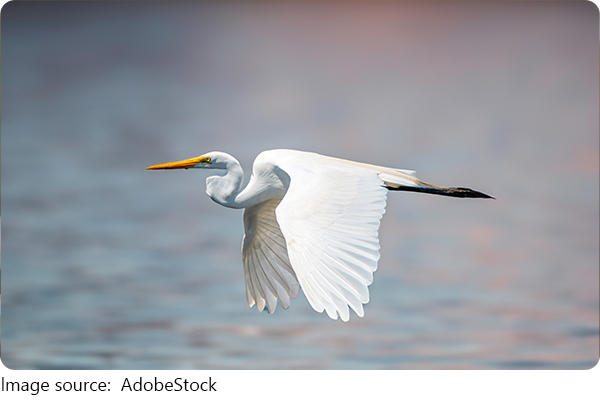
In addition to their feeding behavior, Snowy Egrets are also known for their elaborate courtship displays. During the breeding season, males perform a series of displays to attract females, including preening their long plumes, raising their crests, and engaging in aerial displays. Once a pair forms a bond, they work together to build a nest, usually in trees or shrubs near water. Both parents take turns incubating the eggs and feeding the chicks until they are ready to fledge.
Reproduction and Life Cycle
Snowy Egrets typically breed in colonies, often with other wading bird species. Their nests are constructed from sticks and lined with softer materials such as leaves and grasses. The female typically lays three to five pale blue-green eggs, which both parents incubate for about three weeks. After hatching, the chicks are fed by both parents and grow rapidly, fledging within six to seven weeks. Juvenile Snowy Egrets resemble adults but lack the long plumes and have duller leg and foot coloration.
Conservation Status
Snowy Egrets faced significant threats in the late 19th and early 20th centuries due to the fashion industry’s demand for their plumes, which were used to adorn hats and clothing. This led to a drastic decline in their population. However, with the establishment of laws protecting migratory birds and the efforts of conservation organizations, their numbers have rebounded. Today, Snowy Egrets are listed as a species of Least Concern by the International Union for Conservation of Nature (IUCN), though they still face threats from habitat loss, pollution, and climate change.
Importance of Conservation
Despite their current stable population, the continued conservation of Snowy Egrets and their habitats is crucial. Wetland ecosystems, which provide vital resources for Snowy Egrets, are among the most threatened environments globally. Protecting these habitats not only supports Snowy Egrets but also benefits a wide range of other wildlife species and helps maintain the ecological balance of these areas.
Snowy Egrets, with their graceful appearance and captivating behaviors, are truly a treasure of the wetland ecosystems. Their recovery from near extinction is a testament to the positive impact of conservation efforts. However, ongoing vigilance is necessary to ensure that these beautiful birds continue to thrive. By protecting wetlands and supporting conservation initiatives, we can help ensure that future generations have the opportunity to witness the elegance of Snowy Egrets in the wild.