The Reasons Of Red
Finnegan Flynn
28-07-2024
 · Animal Team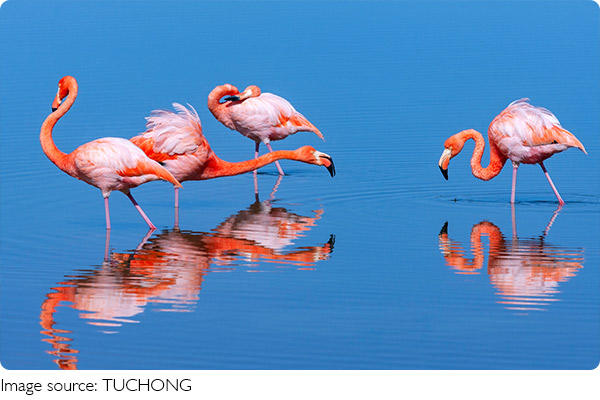
Flamingos are among the most distinctive and eye-catching birds in the animal kingdom.
Their vibrant red, pink, or orange plumage makes them instantly recognizable and often prompts curiosity about the source of their striking color. The answer lies in a fascinating interplay of biology and diet.
The Science of Flamingo Coloration
The coloration of flamingos is primarily due to pigments known as carotenoids, which are present in the food they consume. Carotenoids are organic pigments found in various plants and algae. These pigments are responsible for the red, orange, and yellow hues in many fruits, vegetables, and even some flowers. Flamingos are what scientists call "carotenoid accumulators," meaning they store these pigments in their feathers, skin, and beaks.
The origin and characteristics of the shell on the snail's back.
Let's Meet the World's Smartest Animals!
Why Don't woodpeckers Get Headaches?
Kingfishers: vivid, agile birds symbolizing happiness, peace, and love across diverse cultures.
Nature's most stunning birds captivate with their beauty, unique behaviors, and ecological importance.
Starfish: Enigmatic Ocean Wonders.
Flamingo Diet and Carotenoids
The diet of a flamingo plays a crucial role in its coloration. Flamingos feed on a diet that includes algae, brine flies, and other microorganisms that are rich in carotenoids. A key component in their diet is a type of blue-green algae called “Spirulina”, which contains high levels of carotenoids, particularly beta-carotene and canthaxanthin.
When flamingos consume these carotenoid-rich foods, the pigments are broken down in their digestive system and absorbed into their bloodstream. From there, the carotenoids are transported to various parts of their body, including their feathers. The pigments are deposited in the feathers over time, resulting in the vivid red and pink colors that flamingos are known for.
The Role of Carotenoids in Flamingo Health
Interestingly, carotenoids do more than just provide color. They also have important health benefits. These pigments act as antioxidants, which help to protect cells from damage caused by free radicals. This protective role is beneficial for flamingos, especially given their environment, which can be harsh and full of potential stressors.
Moreover, the coloration serves a crucial role in the social and reproductive behavior of flamingos. The intensity of their color is often an indicator of health and vitality, making it a key factor in mate selection. In the wild, more vibrant flamingos are typically more attractive to potential mates, as their coloration signals good health and a well-balanced diet.
Color Changes Over Time
It’s worth noting that flamingos don’t start life with their characteristic red or pink plumage. Flamingo chicks are born with gray or white feathers, and it takes several months for them to develop their adult coloration. As the chicks mature and begin to consume a diet rich in carotenoids, their feathers gradually change color. This transition highlights the direct link between diet and pigmentation.
Additionally, the color of flamingos can vary depending on their diet and habitat. For instance, flamingos in different parts of the world might have varying shades of red or pink depending on the specific types of carotenoids available in their environment.
The Evolution of Flamingo Coloration
From an evolutionary perspective, the coloration of flamingos likely evolved as a form of sexual selection. The vivid colors of flamingos are not only a result of their diet but also a key factor in attracting mates. This bright coloration signals genetic fitness and overall health, making it easier for flamingos to find suitable partners. Over time, the evolutionary pressures have favored flamingos with more intense colors, reinforcing the role of carotenoids in their diet.
The striking red color of flamingos is a beautiful example of how diet and biological processes work together to create the stunning hues we see. The carotenoids in their food are responsible for their vibrant feathers, which serve both health and social functions. From their diet of algae and brine flies to their role in attracting mates, the color of flamingos is a fascinating result of nature’s intricate design.
Next time you see a flamingo, you’ll not only appreciate its beauty but also understand the complex science behind its red plumage. It’s a vivid reminder of the incredible connections between diet, health, and evolution in the natural world.