Diverse Deer

Chandan Singh
10-07-2024
 · Animal Team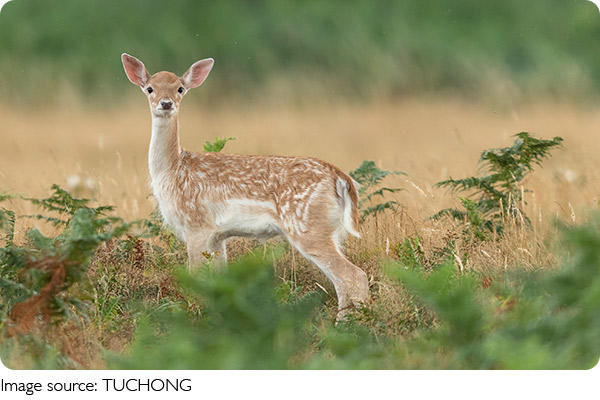
Deer, those majestic creatures that grace vast wild landscapes and suburbs around the world, are undoubtedly captivating.
Found in most parts of the globe, they exhibit remarkable diversity in terms of species, behavior, and adaptations.
In the animal kingdom, deer belong to a large family called Cervidae, which also includes other animals such as elk and reindeer. This family consists of about 50 species that, while similar in many ways, differ significantly in terms of geography, diet, and behavior. Physical characteristics such as size and the presence of antlers can vary greatly.
The body size of deer varies by species. The smallest deer, such as the mouse deer, can weigh as little as 20 pounds and stand about 14 inches tall, while larger ones, such as elk, can reach heights of up to 6 ½ feet and weigh more than 1,500 pounds. Other members, such as water deer, also vary greatly in size, all belonging to the same large family, the deer family. Size differences can be related to various factors, including food availability and the climate of the species' habitat.
The morphological characteristics of yellow-billed storks.
Here's Everything You Need to Know About a Kangaroo's Pouch.
Maintaining optimal water quality: Essential for Sohal surgeonfish.
The 10,000-year history of cat domestication reveals a rich tapestry of cultural integration and mutual evolution.
Penguins: The hidden neck wonders of the animal kingdom.
Meet the Arctic Tern – The animal known for the longest migration
Antlers are another distinguishing feature of deer. The prominence of these bones is a fascinating phenomenon that varies not only from species to species but also from individual to individual. Deer are primarily herbivores, and their diet consists mainly of grasses, leaves, branches, fruits, and nuts. However, the exact composition of a deer's diet may vary depending on the species and habitat. For example, deer in forested areas are more likely to eat leaves and nuts, while deer living in grasslands tend to consume more grass. Seasonality also influences diet, as the availability of certain foods may vary throughout the year.
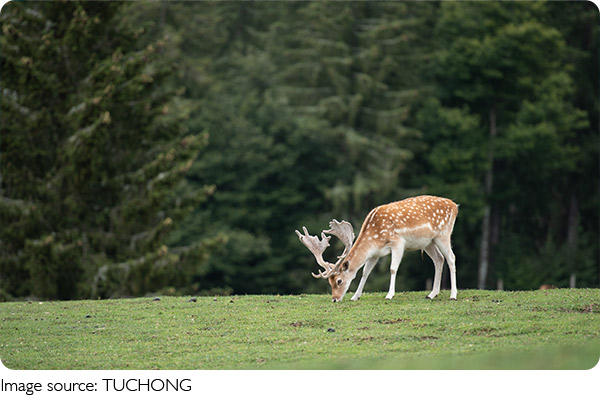
Behaviorally, deer are known for being shy and cautious. While some can adapt to human presence, most will flee at the first sign of a threat. On the other hand, the antlers of male deer play an important role in certain social interactions, such as determining dominance.
The geographic range of the deer family is truly impressive. They can be found in the Arizona desert, in the subarctic regions of Canada, in the rainforests of South America, and in the temperate forests of Europe and Asia. However, the exact habitat of a deer species depends greatly on its specific adaptations. Deer have adapted to a wide range of environments, from open grasslands to dense forests, allowing them to thrive in various climates and terrains.
Deer hold a special place in ecosystems around the world. As herbivores, they play a crucial role in shaping plant communities through their feeding habits. Additionally, they serve as prey for numerous predators, contributing to the intricate balance of predator-prey dynamics in their respective habitats.
Despite their widespread distribution and adaptability, deer face numerous challenges, including habitat loss, poaching, and conflicts with humans. Conservation efforts are crucial to ensuring the continued survival of these magnificent creatures for generations to come.
Deer are truly remarkable animals, embodying grace, beauty, and resilience in their diverse habitats across the globe. Through their unique adaptations and behaviors, they enrich ecosystems and inspire awe in all who encounter them.