Angelfish: Aquatic Elegance

Ethan Sullivan
05-07-2024
 · Animal Team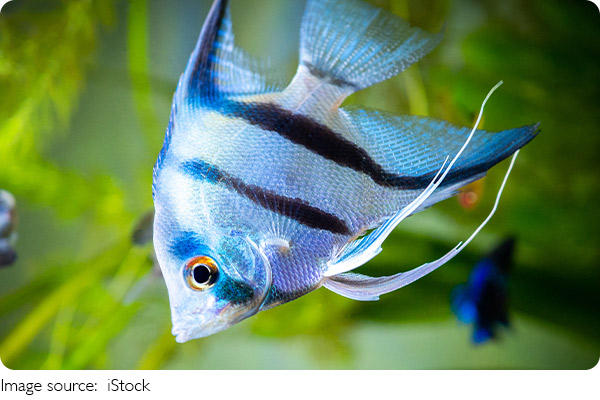
Angelfish are among the most captivating and popular fish kept in freshwater aquariums around the world.
Known for their distinctive shape, vibrant colors, and graceful movements, angelfish belong to the family Cichlidae and are native to the tropical waters of South America.
Their allure extends beyond their aesthetic appeal, encompassing intriguing behaviors, diverse species, and specific care requirements that make them fascinating subjects for aquarists and biologists alike. This essay explores the main features of angelfish, including their physical characteristics, behavior, habitat preferences, species diversity, and care in captivity.
Physical Characteristics
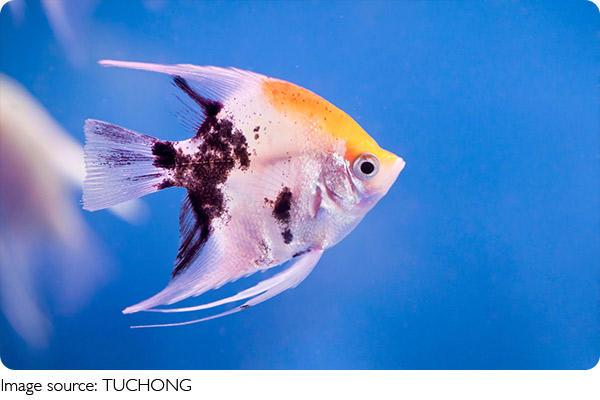
One of the most striking features of angelfish is their unique body shape. Angelfish possess a laterally compressed body with elongated dorsal and anal fins that give them a triangular appearance. This body shape not only contributes to their elegant and graceful swimming but also aids in navigating the dense vegetation of their natural habitats. Angelfish come in a variety of colors and patterns, ranging from silver and gold to black, striped, and marbled variations. Their coloration can change with age, mood, and health, making them dynamic visual inhabitants of any aquarium. Their large, expressive eyes and pointed snouts add to their distinctive look, while their long, flowing fins, particularly in the popular Pterophyllum scalare species, enhance their aesthetic appeal.
The distribution range of European fallow deer.
Whale feeding affects the climate of nature as a whole.
Hummingbirds' unique sideways flutter gets them through small apertures.
Discover how to distinguish Gray and Yellow Wagtails, enriching birdwatching experiences.
Chipmunks: tiny, charming creatures with a mysterious life and vital role in nature's fabric.
Damselflies: Nature's enchanting dancers, weaving beauty in air and water, beckoning harmony with humanity.
Behavior
Angelfish exhibit a range of behaviors that make them interesting to observe. They are known for their relatively peaceful temperament compared to other cichlids, although they can be territorial, especially during breeding periods. Angelfish establish a pecking order within their group, displaying social hierarchies and occasional aggressive behaviors to assert dominance or defend territory. Breeding behavior in angelfish is particularly notable. They form monogamous pairs and exhibit complex mating rituals that include cleaning a flat surface for egg laying, followed by the female depositing eggs and the male fertilizing them. Both parents are involved in guarding and fanning the eggs to ensure they receive adequate oxygen, demonstrating a level of parental care that is fascinating to aquarists.
Habitat Preferences
In the wild, angelfish inhabit the slow-moving freshwater rivers and floodplains of the Amazon Basin in South America. They thrive in environments with dense vegetation, submerged roots, and fallen branches, which provide both food sources and protection from predators. The water in these regions is typically warm, slightly acidic to neutral, and soft, conditions that are essential for their well-being. In captivity, replicating these natural conditions is crucial for the health of angelfish. They prefer aquariums with plenty of plants, driftwood, and hiding spots to mimic their natural habitat. The water temperature should be maintained between 75-82°F (24-28°C), with a pH level of 6.0-7.5 and soft to moderately hard water. Regular water changes and efficient filtration are also important to maintain water quality.
Species Diversity
The genus Pterophyllum comprises three recognized species: Pterophyllum scalare, Pterophyllum altum, and Pterophyllum leopoldi. Each species has distinct characteristics and habitat preferences:
- Pterophyllum scalare: The most common species found in the aquarium trade, known for its adaptability and variety of color morphs. P. scalare is relatively easy to care for and breed, making it popular among hobbyists.
- Pterophyllum altum: Known as the Altum angelfish, this species is larger and more delicate than P. scalare, with a preference for very soft, acidic water. Altum angelfish have a taller, more pronounced body shape and are considered more challenging to keep in captivity due to their specific habitat requirements.