Are Birds Dinosaurs?

Caroll Alvarado
04-07-2024
 · Animal Team
The question of whether birds are dinosaurs might sound like a topic for a science fiction movie, but it's a well-established fact in paleontology.
Birds are indeed the modern descendants of theropod dinosaurs, a group that includes the fearsome Tyrannosaurus rex and the agile Velociraptor.
This astonishing link is supported by an array of fossil evidence, comparative anatomy, and genetic studies, painting a vivid picture of one of nature’s most remarkable evolutionary transitions.
The Dinosaur-Bird Connection
The idea that birds evolved from dinosaurs was first proposed in the 19th century, shortly after the discovery of "Archaeopteryx", a fossil that possesses both avian and dinosaur characteristics. Found in the late Jurassic strata of Germany, "Archaeopteryx" has feathers and a wishbone like modern birds but also sports teeth, a long bony tail, and clawed fingers similar to theropod dinosaurs.
In tropical coral reefs, the mesmerizing blue tang stars in 'Finding Nemo,' embody resilience and friendship.
Have you ever wondered what giraffes look like when they sleep and where they put their necks when they fall asleep?
The fascination of cats sleeping in the corner of the bed.
Everything You Need to Know About Spinner Dolphin.
Cheetahs' stunning speed and grace belie their near-cloning genetic makeup, revealing vulnerability to environmental challenges.
About Maine Coon Cats: Awesome “Gentle Giants” Are Maine Coons the Smartest Cats?
The evidence supporting this evolutionary relationship has grown substantially over the past few decades. Key discoveries include feathered dinosaur fossils found in Liaoning Province, China. These fossils, dating back to the early Cretaceous period, exhibit a variety of feather types and structures, suggesting that feathers originally evolved for purposes other than flight, such as insulation or display.
Feathered Dinosaurs: The Bridge to Birds
Among the most notable discoveries is "Sinosauropteryx", a small theropod dinosaur covered in a fine coat of filamentous feathers. Further discoveries, such as "Microraptor", which had feathers on its arms, legs, and tail, indicate a more complex evolutionary path toward flight. These animals likely glided between trees before the evolution of powered flight seen in birds today.
One of the closest relatives to modern birds is "Velociraptor". Studies of "Velociraptor" fossils have revealed quill knobs on their forearms, indicating the presence of large feathers. This evidence suggests that even non-avian theropods were more bird-like than previously thought.
Evolutionary Adaptations for Flight
The transition from ground-dwelling theropods to avian dinosaurs involved numerous anatomical changes. The most significant of these is the modification of the forelimbs into wings. Over time, the bones in the hands and arms of these dinosaurs fused and changed shape to support flight feathers.
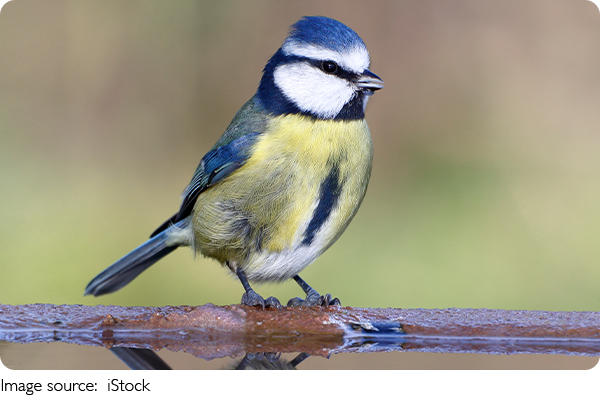
Additionally, the structure of the pelvis and the arrangement of muscles in the legs and hips adapted to support an upright, bipedal stance. The evolution of the furcula, or wishbone, in theropods provided a more flexible and strong anchor for the flight muscles.
Another crucial adaptation is the development of a keeled sternum, which serves as an attachment point for powerful flight muscles. Modern birds also have a highly efficient respiratory system that includes air sacs, allowing for the high metabolic demands of flight.
Genetic and Molecular Evidence
Genetic studies have further cemented the relationship between birds and dinosaurs. Comparisons of DNA sequences from modern birds with those of crocodilians (the closest living relatives of dinosaurs) and other reptiles reveal significant similarities. For instance, certain proteins involved in feather formation in birds are remarkably similar to those found in theropod dinosaurs.
Moreover, the study of ancient proteins extracted from dinosaur fossils has provided molecular evidence supporting this evolutionary link. For example, collagen proteins recovered from a T. rex fossil showed similarities to those in modern birds.
Implications and Future Directions
Understanding that birds are living dinosaurs reshapes our perception of these animals and their ancient relatives. It highlights the dynamic and adaptable nature of evolution, showing how a lineage of ground-dwelling predators transformed into the diverse array of birds we see today, ranging from tiny hummingbirds to massive ostriches.
Future research in this field is likely to focus on uncovering more about the behavior, physiology, and ecological roles of these feathered dinosaurs. Advances in technology, such as improved imaging techniques and genetic analysis, will continue to provide new insights into this fascinating evolutionary story.
The question "Are birds dinosaurs?" can be answered with a resounding yes. Birds are not just related to dinosaurs; they are a direct continuation of the theropod lineage, representing one of the most extraordinary examples of evolutionary transformation. This connection underscores the incredible complexity of life’s history on Earth and the continuous thread linking past and present.