Why New Cars Smell

Mason O'Donnell
26-08-2026
 · Auto Team
Welcome, readers. A lot of people treat that new car smell as a nice bonus. When you first open the door of a brand-new vehicle, you're breathing in a mix that comes from plastics, adhesives, sealants, fabrics, leather treatments, and dashboard components.
The term people use is "new car smell," but the technical issue behind it is off-gassing, which means volatile compounds move out of materials and into the air inside the car.

The scent has sources
That smell does not come from one single ingredient. It comes from a combination of odors released by materials throughout the interior, including the seats, carpeting, headliner, dashboard, door panels, and adhesives used under trim pieces. Some new vehicle interiors may also release small amounts of compounds such as formaldehyde, depending on the materials and manufacturing processes used.
Turbo vs. Naturally Aspirated: What Really Determines Your Long-Term Costs
Why some deep maintenance pitches sound urgent, but your car often needs far less
A practical guide to balance, pedaling, steering, braking, and building confident riding skills
A professional guide to protective gear, motorcycle preparation, rider training, visibility, braking, and confident road skills
What to consider before buying a sports car for everyday use, from parking and comfort to storage and road conditions
A practical guide to vehicle control, smooth driving habits, road awareness, and confident decision-making
Rather than coming from one obvious source, the familiar scent can develop from many different materials releasing odors at the same time, which is why it can be especially noticeable when a vehicle is brand new.
Heat makes it stronger
You might expect the smell to stay about the same day to day, but temperature changes can make a big difference. A closed vehicle parked in direct sun heats up quickly, and that extra heat speeds up the release of volatile compounds from interior surfaces. The dashboard, steering wheel, seat foam, and plastic trim all warm up, and the cabin air traps what they release. That's why the smell often hits you hardest after the car has been sitting with the windows shut, especially in warm weather.
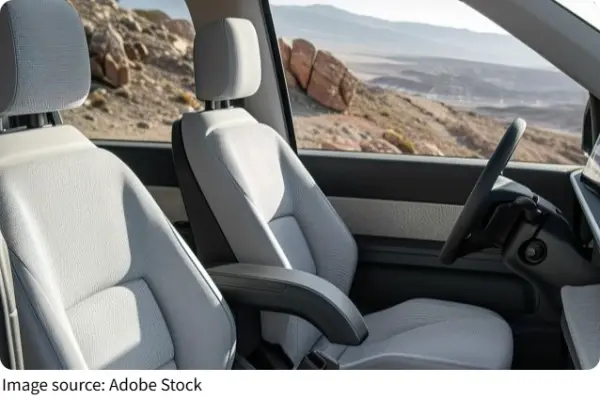
The smell fades with time
That first strong hit usually does not last. As the interior materials keep releasing compounds, the amount left to release gradually drops, so the odor becomes weaker over time. This is why a brand-new vehicle often smells much stronger than the same model after it has been used for a while. Ventilation matters too. If you open the windows regularly, use outside-air ventilation instead of recirculation, and avoid leaving the car sealed up in heat for long stretches, you can help clear the cabin air faster.
The big point is simple. That strong new-car smell comes from odors released by fresh interior materials. If you want less of it, focus on good airflow, cooler cabin conditions, and time. So if your new car smells unusually strong, give the interior plenty of fresh air and allow the materials to settle naturally over time.