Snow Mountain Travel Tips

Arvind Singh
24-08-2026
 · Travel Team
Traveling through snowy mountains offers beautiful scenery, crisp air, and an unforgettable outdoor experience.
However, winter conditions require careful preparation, especially when temperatures, snowfall, wind, and trail conditions can change quickly.
Choosing suitable clothing, packing essential equipment, planning the route, and understanding the conditions can make the journey more comfortable and enjoyable. With thoughtful preparation, we can focus on the landscape and experience the adventure with greater confidence.
Choose The Right Clothing
A reliable clothing system is essential for snowy mountain travel. Rather than depending on one heavy layer, we can combine several layers that serve different purposes.
Understanding Virgo’s high standards, thoughtful nature, and need for ease
Discover the confidence, warmth, loyalty, and tender desire to be truly seen
Northern Vietnam's rice terraces at Mu Cang Chai and Sapa turn entire mountainsides into stairways of water, green, and gold.
Wander medieval streets, climb ancient towers, and enjoy unforgettable views!
The Most Beautiful City You've Probably Never Visited – Riga, Latvia!!
Looking for paradise? Coron offers breathtaking views, unforgettable adventures, and some of the clearest waters on Earth.
A moisture-managing base layer helps move sweat away from the skin. A warm middle layer, such as fleece or insulated clothing, helps retain body heat, while an outer layer provides protection from wind, snow, and moisture.
Hands, head, and feet also need adequate protection. Warm gloves, an ear-covering hat, a neck warmer, and suitable winter socks help maintain comfort. Waterproof hiking boots with good traction are particularly useful on snow-covered paths.
Pack Essential Gear
A well-organized backpack keeps important supplies accessible throughout the journey. Useful items include extra clothing, water, snacks, a headlamp, a small first-aid kit, navigation equipment, and waterproof storage.
Trekking poles can provide additional stability on uneven or snowy terrain. Depending on the conditions, traction devices or snowshoes may also be appropriate.
Snow and moisture can damage clothing and electronic equipment, so dry storage bags or a waterproof backpack cover can provide useful protection. Batteries can also perform less effectively in very cold conditions, making backup power a practical addition for longer trips.
Check Weather And Trail Conditions
Checking the weather forecast before departure is an essential part of winter-trip planning. Current trail conditions and local access information should also be reviewed before setting out.
Snowfall, strong winds, or reduced visibility can make a familiar route considerably more demanding. Selecting a trail that matches our experience, fitness, equipment, and current conditions helps create a safer and more enjoyable outing.
If we have limited experience with snowy mountain terrain, traveling with an experienced guide or knowledgeable group can provide additional route support. We should also be prepared to change, shorten, or postpone the trip if conditions become unsuitable.
Manage Warmth And Moisture
Staying comfortable in cold weather involves more than wearing thick clothing. Moisture management is equally important because damp clothing can make us feel colder when activity slows.
We can adjust our layers according to our activity level. Removing an unnecessary layer during demanding sections can reduce excessive sweating, while adding insulation during breaks can help retain warmth.
Warm drinks can make rest stops more pleasant, but regular hydration remains important during physical activity. Carrying enough water for the planned route is essential.
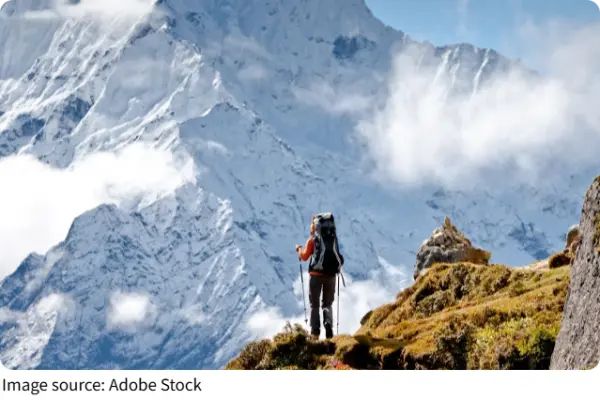
Bring Practical Food
Walking through snowy terrain for several hours requires energy. Convenient foods such as nuts, dried fruit, chocolate, cereal bars, and sandwiches are easy to carry and can provide useful energy during breaks.
Food should be protected from moisture and stored where it can be reached easily. An insulated bottle can help keep drinks at a comfortable temperature.
For longer journeys, plan food according to the route's duration and difficulty, and carry some additional food in case the trip takes longer than expected.
Protect Your Eyes And Skin
Bright snow-covered landscapes can reflect sunlight and ultraviolet radiation. Sunglasses or snow goggles with appropriate UV protection can improve visual comfort during bright conditions.
Exposed skin can also be affected by cold, wind, and sunlight. Sunscreen and suitable clothing can help protect areas that remain exposed during the journey.
Prepare For Navigation
Knowing the planned route before departure makes mountain travel more organized. A map, compass, navigation device, or offline route information can be useful when snowfall or changing visibility makes landmarks difficult to identify.
Electronic devices can be helpful, but they should not necessarily be the only navigation method. Cold conditions can affect batteries, while remote areas may have limited connectivity.
A headlamp is also worth carrying even when the journey is expected to finish during daylight. Extra water, food, warm clothing, and basic first-aid supplies provide valuable backup if the schedule changes.
For routes that enter avalanche terrain, travelers should have the appropriate knowledge, training, and equipment for the conditions.
Travel Responsibly
Snow-covered mountain environments deserve careful treatment. Stay on designated routes when available and follow local environmental guidelines.
Carry all waste out of the area and avoid disturbing plants, wildlife, or other visitors. Keeping noise and environmental impact to a minimum helps preserve the natural character of the landscape.
Responsible travel allows us to enjoy mountain scenery while helping protect these environments for future visitors.
Plan The Journey
Good preparation begins before leaving home. Check the forecast, assess the route, organize clothing and equipment, and make sure the planned journey matches our abilities.
Transportation, travel time, available facilities, rest points, and daylight hours should also be considered. A realistic schedule gives us enough time to enjoy the scenery without unnecessary rushing.
Before departure, it is also helpful to tell someone our planned route and expected return time, particularly when traveling in a remote area.
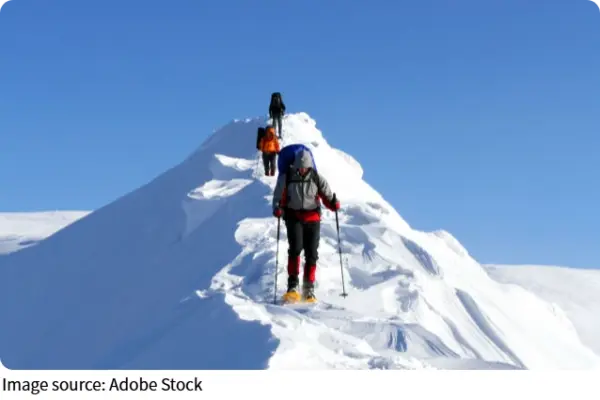
Snow mountain travel combines dramatic scenery with the rewarding experience of exploring a winter landscape. The key to a comfortable journey is preparation: dress in suitable layers, carry reliable equipment, stay hydrated and energized, protect yourself from the elements, and understand the route and conditions.
Lykkers, a well-planned snow adventure allows us to enjoy the landscape while traveling responsibly and confidently. By choosing an appropriate route, preparing for changing conditions, and respecting the environment, we can make every step of the journey more enjoyable.