Renewable Corridor Growth

Owen Murphy
24-08-2026
 · Information Team
Hello, Lykkers! Transport networks have always shaped economies. Trade routes built cities, rail systems expanded industries, and highways accelerated growth. Today, a new generation of infrastructure is emerging: renewable transport corridors.
These corridors combine clean energy systems with transport infrastructure through electric vehicle charging networks, renewable-powered logistics hubs, green shipping routes, hydrogen stations, and smart energy integration. Beyond environmental benefits, they are increasingly being viewed as economic assets capable of generating long-term value.
What Are Renewable Transport Corridors?
Renewable transport corridors are integrated routes designed to support low-carbon mobility and logistics.
A professional step-by-step guide to brushing, fluoride toothpaste, supervision, and healthy dental habits for children
How quality sleep supports children’s brain development, learning, physical growth, and well-being
Create a calm starry-night bedroom that supports healthy sleep with gentle light and bedtime routines
A Simple Guide to Solitude, Self-Love, Emotional Healing, and Finding Peace Within Yourself
A Practical Guide to Accurate Readings, Home Monitoring, and When to Seek Medical Advice
Choosing between Bitcoin and gold isn't just about numbers.
They often include electric charging infrastructure, renewable energy supply systems, battery storage facilities, smart grids, hydrogen refueling stations, and sustainable freight networks.
The idea is not only to reduce emissions but also to improve transport efficiency and strengthen supply chains.
As countries invest in energy transitions, these corridors are becoming strategic infrastructure projects connecting industries, ports, cities, and industrial zones.
Economic Value Beyond Transportation
Renewable transport corridors create value far beyond moving goods and people.
Infrastructure investment generally produces multiplier effects across industries such as logistics, manufacturing, construction, energy, and technology.
For example, installing EV charging networks can stimulate demand for energy systems, digital services, maintenance operations, and local businesses.
Similarly, renewable-powered logistics corridors may lower fuel dependence and operating costs while increasing supply chain resilience.
According to the International Energy Agency (IEA), global investment in clean energy technologies and infrastructure continues to accelerate, with transport electrification remaining one of the major investment areas supporting the energy transition. These developments suggest transport infrastructure is becoming increasingly connected to broader economic strategies.
Logistics Transformation and Capital Attraction
Modern supply chains are under pressure to become more efficient and sustainable.
Companies increasingly seek locations with access to clean energy infrastructure and electrified transport systems. Renewable transport corridors help meet these demands by creating environments suited for future logistics networks.
Ports, industrial parks, warehouses, and freight centers connected to renewable infrastructure may become more attractive to investors.
This creates a cycle of economic activity: infrastructure attracts businesses, businesses generate investment, and investment supports regional growth. The result is not only environmental progress but also economic expansion.
Expert Perspective
Fatih Birol, Executive Director of the International Energy Agency, is widely recognized for his work on global energy systems and transition policies.
Birol has emphasized that clean energy investment is increasingly becoming an economic opportunity rather than only an environmental necessity. He has noted that investment in clean technologies creates new industrial activity, strengthens energy security, and supports future growth.
His perspective reflects the broader shift in infrastructure finance: renewable systems are increasingly being evaluated as long-term economic assets.
For transport corridors, this means investment decisions are now tied not only to mobility but also to industrial competitiveness and capital formation.
The Rise of Green Freight Networks
Freight transport is becoming an important focus area.
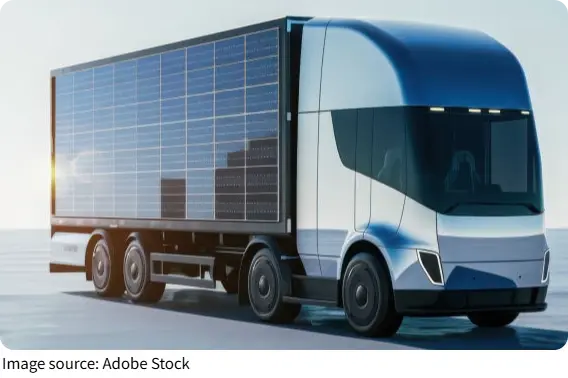
Electric trucks, renewable-powered ports, smart warehouses, and green shipping routes are expanding globally as industries seek lower-emission logistics solutions.
These systems may improve efficiency while reducing operational risks linked to energy volatility.
Green freight infrastructure can also support export competitiveness as international markets increasingly prioritize sustainability standards.
For regions investing early, renewable corridors may become gateways for future trade and industrial development.
Looking Ahead
Renewable transport corridors represent more than upgraded infrastructure—they are part of a broader economic transition.
By linking transport, energy, and logistics systems, these corridors can create new investment opportunities, improve efficiency, and support regional value creation.
As capital increasingly moves toward sustainable assets, renewable transport infrastructure may emerge as one of the defining growth themes of the coming decades.
In the future, the routes driving economic value may not simply move goods—they may move energy, innovation, and investment together.