Farming Smarter

Lucas Schneider
21-08-2026
 · Information Team
Farmland cultivation may look timeless from a distance, yet the way fields are managed keeps changing. Farmers now combine traditional observation with soil testing, precision tools, smarter irrigation, crop rotation, and weather data.
For Lykkers, understanding these ideas makes every green field more interesting and offers practical lessons for anyone growing vegetables, managing a garden, or simply wondering how tomorrow’s food begins.
Rethinking The Field
Cultivation is much more than placing seeds in soil and waiting. A productive field is a living system involving water, nutrients, microorganisms, weather, crops, and careful timing. Modern farming increasingly asks a useful question: how can you grow successfully while keeping the land productive for future seasons?
Want More Money? This One Psychological Trick Changes Everything!
Are Traditional Wealth Managers Becoming Obsolete? The Digital Shift Says Yes!
Why Access to Capital Could Be the Game-Changer Every Farmer Needs!
New to Bitcoin charts? Here's a simple, clear breakdown of how candlestick signals actually work for beginners.
Stop overthinking every choice. The balance scale method gives you a clear, structured way to make smarter decisions.
You don't need an accounting degree to understand financial statements. Here's your beginner-friendly first personal finance lesson.
Healthy soil comes first
Good cultivation begins underground. Soil provides plants with water, nutrients, air, and physical support, so farmers pay attention to its structure, moisture, acidity, and nutrient levels.
One practical method is soil testing. Instead of guessing what a field needs, growers can collect samples and learn about pH and important nutrients. That information can guide fertilizer choices more precisely.
You can borrow this idea in a vegetable garden. Before adding random products because the tomatoes look slightly grumpy, test the soil. Simple testing services or kits may reveal that the real issue is pH, drainage, or a specific nutrient.
Healthy soil management is less about feeding plants endlessly and more about creating conditions where roots can function well.
Crop rotation keeps things moving
Growing the same crop in the same place repeatedly may create problems over time. Certain pests and diseases can become established, while particular nutrients may be repeatedly drawn from the soil.
Crop rotation changes the pattern. A grower might follow one crop with another from a different plant family. Legume crops are especially interesting because, through relationships with certain soil microorganisms, they can contribute nitrogen to the farming system.
For a small garden, keep a simple map each season. Mark where tomatoes, beans, leafy vegetables, and root crops grew. Next season, move plant families around where practical.
Your garden notebook suddenly becomes a tiny agricultural planning department.
Water is becoming more precise
Water management is one of the biggest cultivation challenges, particularly where rainfall is limited or unpredictable. Giving crops too little water reduces growth, while unnecessary irrigation wastes a valuable resource and may create other field problems.
That is why growers increasingly rely on tools such as drip irrigation, soil-moisture sensors, weather information, and carefully timed watering. The goal is not simply more water. It is water delivered where and when crops need it.
You can apply the same principle at a smaller scale. Check the soil before watering instead of following a rigid daily habit. Water near the root area, and choose morning when appropriate for your plants and climate.
Your plants do not own calendars. They respond to actual conditions.
Grow With The Land
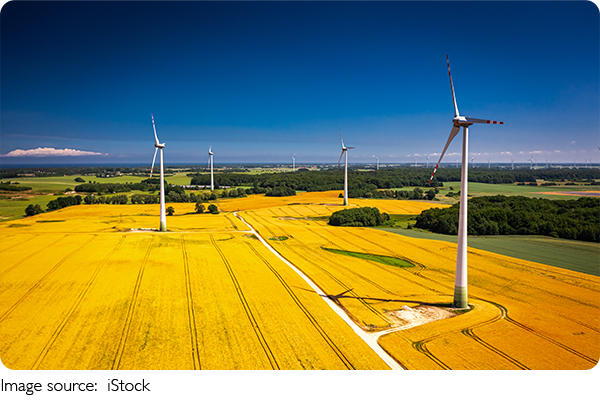
The next chapter of farmland cultivation is not only about producing more. It also involves using resources carefully and making fields more resilient to changing conditions. These ideas may sound large, but many of them begin with simple habits Lykkers can understand and even test at garden scale.
Cover crops protect quiet fields
After a main crop is harvested, leaving soil uncovered may increase erosion and nutrient loss in some conditions. Cover crops are plants grown partly for soil benefits rather than primarily for harvest.
Depending on climate and farming goals, growers may choose clover, rye, oats, or other suitable species. Cover crops can protect the soil surface, support soil structure, and contribute organic material.
For gardeners, the principle is useful even if you never sow a formal cover crop. Avoid leaving healthy soil exposed unnecessarily. Plant suitable seasonal vegetation or apply appropriate organic mulch around plants.
Think of soil as valuable living infrastructure. You would not leave expensive equipment outside unprotected for months. Soil deserves similar respect.
Weather records become farming tools
Farmers have always watched the weather, but modern forecasting and historical data allow more detailed decisions about planting, irrigation, harvest timing, and crop protection.
You can start your own tiny weather record. Once a week, note rainfall, temperature, unusual wind, and plant condition. After a season, compare those notes with growth.
Maybe seedlings struggled during an unusually cool period. Maybe one corner stayed wet after heavy rain. Maybe flowering happened earlier than expected.
These observations turn vague memories into useful information. Next season, you have evidence rather than the classic gardening statement that last year somehow felt different.
Diversity creates useful resilience
A field containing only one crop may be efficient for certain production systems, but agricultural diversity can also play important roles. Farmers may integrate rotations, multiple crops across a farm, flowering margins, or other habitat features depending on local conditions and production goals.
For a garden, diversity is easy to explore. Grow several suitable plant types instead of relying on one. Add flowers that support local pollinating insects. Choose varieties suited to your climate and available space.
You also gain a practical advantage: if one crop performs poorly, another may succeed.
Gardening becomes less like placing every hope on one contestant and more like managing a cheerful little team.
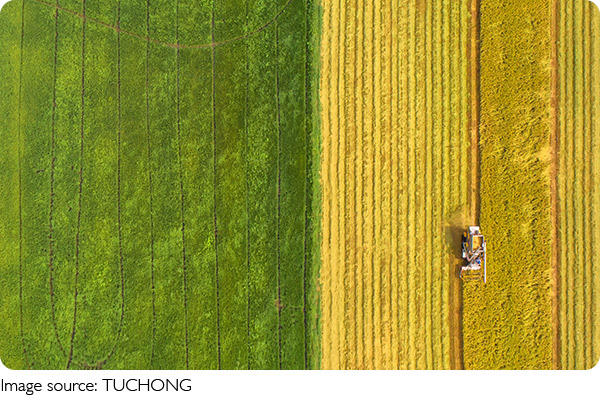
Farmland cultivation is becoming more precise, observant, and resource-aware. Lykkers can borrow the same thinking through soil testing, thoughtful watering, crop rotation, weather notes, diverse planting, and small growing experiments.