Mud Bath Magic

Caroll Alvarado
20-08-2026
 · Animal Team
Imagine a huge white rhino stepping into a shallow muddy pool, lowering its body, and slowly rolling from side to side. Within moments, its light-colored hide is covered in wet soil.
To us, the scene may look playful and amusing, but for the rhino, this simple routine has an important purpose. The mud helps it stay cooler, limits direct sunlight, and provides an extra layer of protection from bothersome insects.
A Natural Cooling Routine
When temperatures rise, we can see white rhinos searching for shallow pools or soft wet ground. They may step into the mud, lower their heavy bodies, and roll from side to side. As the cool mud spreads across their skin, it helps reduce the heat reaching the body surface.
A grizzly searches for food nonstop—is hyperphagia the secret to surviving winter?!
How do red foxes handle freezing nights? Explore the clever traits that help them endure winter!
Why Does the Fallow Deer Change Its Look With the Seasons? Discover Its Stunning Colors and Unique Antlers!
Unlike many rhinos, white rhinos often gather in groups—what makes them so sociable?
Why Is a Squirrel’s Tail So Big? Discover the Amazing Ways It Helps With Balance, Warmth, Signals, and More!
Why would a finch reject a quiet spot? Shelter, height, and escape may hold the answer!
After spending time in the water, the animal often leaves with a thick layer of wet soil covering its back, sides, legs, and other exposed areas. As this layer dries, it can continue to provide some relief from direct sunlight. For a large animal living in open grasslands, this simple routine can be very useful during hot parts of the day.
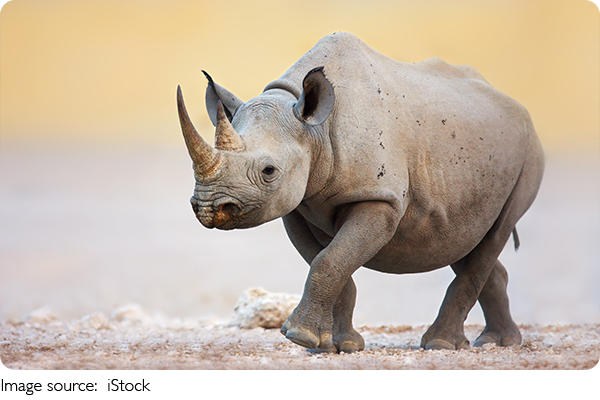
More Than a Mud Bath
The value of mud does not stop with cooling. White rhino skin is thick, but much of the body has little hair to provide shade. Direct sunlight can therefore become an everyday challenge, especially during long periods of warm weather.
By covering themselves with mud, these animals create an extra layer between their skin and the outside environment. The wet surface can provide temporary cooling, while the dried layer can reduce direct exposure to sunlight.
We can think of it as a natural outdoor covering, created without any special tools. The rhino simply finds a suitable muddy place and lets nature do the work.
A Shield Against Insects
Another important benefit involves insects. Warm grassland environments can contain many small insects that land on large animals. Some may settle around skin folds or other difficult-to-reach areas.
When mud covers the body, it can make the surface less attractive and harder for some insects to reach. Once the mud dries, it may also create a rough outer layer that provides additional protection.
This does not mean mud completely prevents every insect from reaching a rhino. Instead, it gives the animal another useful layer of defense. We can see how several small benefits work together to make one simple behavior valuable.
Why Rolling Matters
White rhinos do not simply stand beside a muddy pool and wait. Rolling helps spread the wet soil across a much larger part of the body. We may see a rhino lower its shoulder, turn onto its side, push with its legs, and slowly rotate through the mud.
Each movement helps coat another section of skin. The result can be an uneven but surprisingly complete covering. Afterward, the animal may stand quietly while the water gradually disappears and the muddy layer becomes firmer.
This behavior also shows us how physical actions can become part of an animal's daily routine. What looks like play can serve several practical purposes at the same time.
A Heavy Animal With Smart Habits
White rhinos are among the largest land mammals on Earth. Their huge bodies require plenty of energy, and staying comfortable in warm conditions is important for their daily activities.
We often notice their size first, but their behavior tells us just as much about them. A muddy body may look funny to us, yet it reflects a simple response to the environment. Finding shade, water, and mud can all become useful parts of a rhino's routine.
Nature's Simple Solution
What makes the mud bath especially interesting is its simplicity. The rhino does not need to search for a complicated solution. A muddy pool can provide cooling, shade from direct sunlight, and an extra layer that helps deal with insects.
Lykkers, the next time we see a white rhino covered from head to toe in mud, perhaps we can look beyond the funny appearance. That muddy coat tells a much bigger story about survival, comfort, and adaptation.
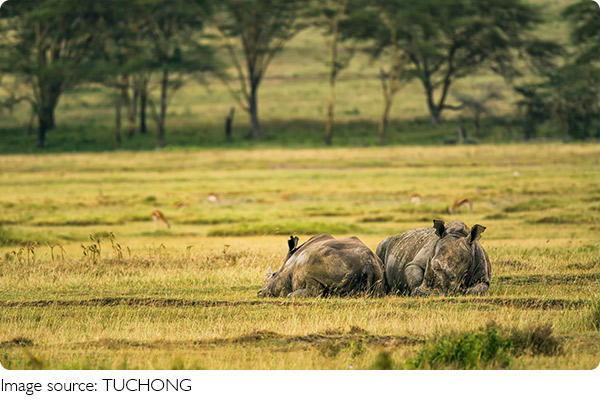
A white rhino's mud bath reminds us that nature often solves difficult problems in surprisingly simple ways. Wet soil becomes a cooling layer, dried mud becomes temporary coverage, and rolling becomes a practical way to spread it across the body.
So, Lykkers, would you call a white rhino's muddy routine a playful bath or a clever natural care routine? Share your thoughts, and next time you see one covered in mud, take a closer look. There may be much more happening beneath that muddy coat than we first imagine.
Rhinos in Mud: More Than Just a Dirty Habit!
Video by Traits