A True Beauty

Raghu Yadav
07-05-2024
 · Animal Team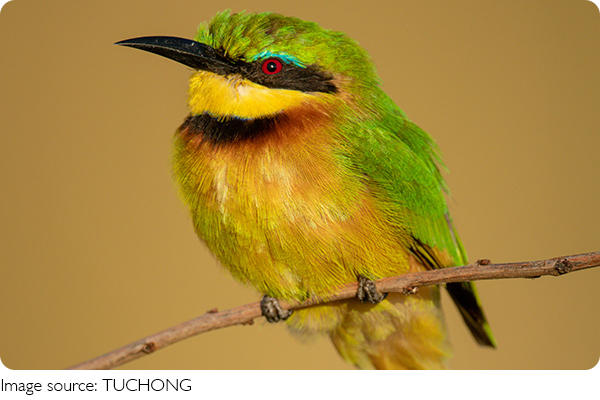
In the realm of avian marvels, the European Bee-eater (Merops apiaster) stands out as a dazzling gem, captivating birdwatchers worldwide with its vibrant plumage, aerial acrobatics, and fascinating behaviors.
Revered as one of the four "beauties" in the bird world, alongside the kingfisher, roller, and hoopoe, this charismatic creature holds a special place in the hearts of nature enthusiasts.
Adorned in a palette of striking hues, the European Bee-eater is a visual masterpiece. Its predominantly chestnut crown blends seamlessly with a turquoise throat, framed by a delicate black band. The wings and tail boast a mosaic of yellow, green, and blue, reminiscent of a painter's palette brought to life. In flight, these colors shimmer and dance, casting an enchanting spell on those lucky enough to witness the spectacle.
The Holland Lop family has always been a popular breed of pet rabbit.
Deer, renowned for elegance and adaptability, embodies the marvels of nature across diverse habitats, urging stewardship.
Zebra stripes are more than just eye-catching; they serve a variety of crucial functions.
Woodpeckers, with their unique behaviors and remarkable adaptations, epitomize nature's ingenuity and resilience.
Butterflies rely on intricate senses to navigate, taste, and communicate in nature.
Rabbit tails, though short, serve as warnings and aid navigation in nature.
But it's not just the European Bee-eater's appearance that earns it accolades; it's also its remarkable lifestyle and habits that endear it to birdwatchers. As its name suggests, this avian beauty is a consummate bee-hunter, specializing in capturing and devouring these buzzing insects with astonishing precision. Utilizing its sharp, slender bill, the bee-eater snatches its prey mid-flight, performing daring aerial maneuvers with grace and finesse.
Spring marks the onset of the European Bee-eater's breeding season, a time of heightened activity and courtship displays. Males engage in elaborate aerial rituals, showcasing their prowess and agility to prospective mates. These displays often involve graceful dives, intricate twists, and melodious calls, transforming the sky into a stage for their romantic endeavors.
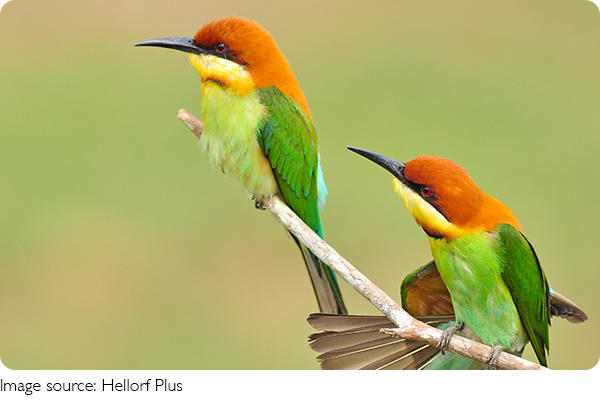
Once a suitable partner is found, the pair embarks on the task of nest-building, a collaborative effort that reinforces their bond. Nesting sites are typically located on sandy banks or cliffs, where bee-eaters excavate burrows using their powerful bills. Within these cozy chambers, the female lays a clutch of eggs, which both parents take turns incubating and caring for.
As summer unfolds, the air is filled with the joyful chatter of fledglings as they eagerly await their next meal. The parents diligently scour the surrounding landscape in search of bees, wasps, and other flying insects to satisfy their offspring's voracious appetites. Through tireless dedication and teamwork, they ensure the survival of their brood, passing down generations of wisdom and instinct.
But beyond its ecological significance, the European Bee-eater serves as a symbol of conservation and environmental stewardship. Threatened by habitat loss, pesticide use, and illegal trapping, these magnificent birds face numerous challenges in the modern world. Conservation efforts, therefore, play a crucial role in safeguarding their future, preserving not only their beauty but also the delicate balance of the ecosystems they inhabit.
Fortunately, organizations and individuals alike have rallied together to protect and restore bee-eater habitats, advocating for sustainable practices and raising awareness about the importance of biodiversity conservation. Through research, education, and community engagement, they strive to ensure that future generations will continue to marvel at the sight of these winged wonders soaring overhead.
The European Bee-eater stands as a testament to the wonders of the natural world, captivating birdwatchers with its breathtaking beauty and extraordinary behavior. As the first of the four "beauties" in the bird world, it embodies the splendor and diversity of avian life, reminding you of the interconnectedness of all living things. By cherishing and protecting these magnificent creatures, we honor not only their legacy but also the rich tapestry of life that surrounds us. So you can continue to marvel at the European Bee-eater's grace and charm, ensuring that it remains a symbol of hope and inspiration for generations to come.