5 Things To Do in Sumba

Ethan Sullivan
15-07-2026
 · Travel Team
Readers, Sumba is a destination where breathtaking landscapes and rich traditions come together in perfect harmony. From turquoise lagoons and towering waterfalls to rolling savannahs and pristine beaches, every corner of the island showcases its natural beauty.
Beyond its stunning scenery, Sumba is also known for its welcoming communities and centuries-old cultural heritage. This guide highlights five unforgettable experiences while providing practical travel information to help you plan a smooth and memorable journey.
How to Get Around Sumba
Flights from Bali typically land in Tambolaka or Waingapu’s Umbu Mehang Kunda Airport, and because public transport is scarce, most travelers rent a vehicle—expect about US $55–90 per day for a car with driver or US $6–10 per day for a self-drive scooter.
You Can't Visit Seville Without Seeing These Amazing Landmarks!
Discover Valle de la Luna at Sunset: A Complete Atacama Desert Guide With Tickets, Routes, Costs, and Travel Tips!
Zodiac signs that hide deep emotions behind a calm exterior
Why some zodiac personalities close chapters and never look back
A wild interior of lava, hot springs, rugged roads, and unforgettable routes for careful travelers
Is Neko Harbor the best place to step onto the Antarctic continent?
Best Time to Visit
The dry season, from May to October, offers sunny weather, making it ideal for sightseeing, beach visits, and hiking. If you want to see Sumba's famous green hills, visit between January and April, although occasional rainfall should be expected.
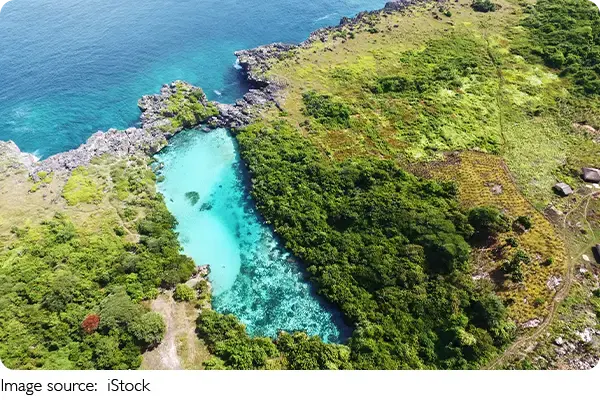
1. Swim in the Crystal Waters of Weekuri Lagoon
Weekuri Lagoon is one of Sumba's most iconic attractions. Surrounded by limestone cliffs, this natural saltwater lagoon features calm, turquoise water that is perfect for swimming and relaxing. Wooden platforms and viewing points also make it an excellent place for photography.
Entrance fee:
Approximately US $0.70 per person
Opening hours:
Daily, around 7:00 AM–6:00 PM
Swimming:
Included with the entrance fee
Parking:
About US $0.35 for motorcycles and US $0.70 for cars
2. Discover the Beauty of Lapopu Waterfall
Located inside Manupeu Tanah Daru National Park, Lapopu Waterfall is one of the tallest waterfalls in East Nusa Tenggara. The multi-level cascade flows into natural pools surrounded by lush tropical forest, making it a rewarding destination for nature lovers.
Entrance fee:
Approximately US $1.40 per person
Opening hours:
Daily, 8:00 AM–5:00 PM
Guided local trek (optional):
Around US $7–14
Walking time:
About 20–30 minutes from the parking area
3. Visit Ratenggaro Traditional Village
Ratenggaro Village offers visitors the opportunity to experience Sumba's unique culture. The village is well known for its towering traditional houses with high thatched roofs and ancient stone tombs that reflect centuries of local history.
Entrance fee:
Free
Local donation:
US $1–2 is appreciated
Opening hours:
Generally accessible during daylight hours
Sumba
4. Relax at Walakiri Beach
Walakiri Beach is famous for its peaceful atmosphere and its small mangrove trees, which create stunning silhouettes during sunset. The calm shoreline is ideal for relaxing, enjoying the scenery, or taking beautiful photographs.
Entrance fee:
Approximately US $0.35 per person
Opening hours:
Open daily
Photography:
Free after entrance
5. Explore the Endless Savannah of Tanarara Hill
Often compared to scenes from a movie, Tanarara Hill showcases rolling green landscapes during the rainy season and golden grasslands during the dry months. The panoramic views make it one of Sumba's most scenic locations.
Entrance fee:
Free
Opening hours:
Open throughout daylight hours
Hiking:
Free
Where to Stay
Rest easy in Sumba with stays that fit every travel style: eco-friendly Maringi Sumba by the Sumba Hospitality Foundation offers comfy, sustainability-minded rooms for US $70–120 per night, while Lelewatu Resort Sumba delivers ocean-view villas, a sparkling pool, and top-tier service for US $350–600 per night. Budget-minded explorers can also find welcoming homestays in Tambolaka or Waingapu starting around US $20–40 per night, perfect for saving pesos for more island adventures.
Where to Eat
Fuel up on local flavors before your next adventure: stop at Warung Pondok Simpang, where US $4–8 gets you comforting Indonesian classics, and then try Rumah Makan Cendana for US $5–10 grilled seafood, rice dishes, and beloved regional specialties. Because eateries can be spread out, pack extra snacks and bottled water so you stay energized between sights.
Travel Tips
- Carry cash because card payment is not accepted in many rural areas.
- Bring sunscreen, a hat, and lightweight clothing for daytime activities.
- Respect local customs when visiting traditional villages.
- Start road trips early to maximize daylight and enjoy cooler temperatures.
- Keep reusable water bottles with you during long journeys.
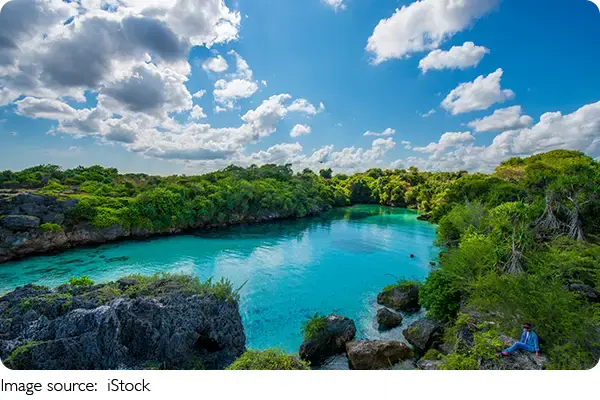
Sumba is a destination where breathtaking landscapes and rich traditions come together to create an unforgettable travel experience. From swimming in the clear waters of Weekuri Lagoon to watching the sunset at Walakiri Beach and exploring the island's spectacular hills, every stop offers something unique. With good planning and this guide in hand, you'll be ready to experience one of Indonesia's most remarkable hidden treasures. Which of these five amazing experiences would you add to your Sumba adventure first?