Kingfisher Development

James Carter
25-04-2024
 · Animal Team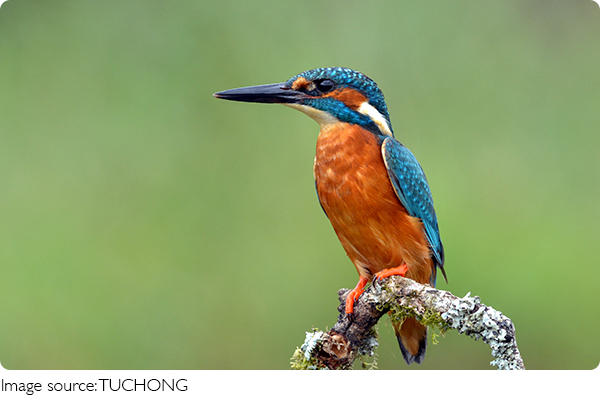
The Malachite kingfisher (Corythornis cristatus) is a stunningly beautiful bird in sub-Saharan Africa, known for its vibrant plumage and remarkable hunting prowess.
As a member of the kingfisher family, it exhibits several fascinating developmental characteristics that contribute to its survival and success in its natural habitat.
First and foremost, the Malachite kingfisher undergoes a remarkable transformation from chick to adult, exhibiting distinct stages of development. Like all birds, it begins life as an egg, carefully incubated by its parents to ensure optimal conditions for hatching.
Once hatched, the chick is initially helpless and reliant on its parents for food and protection. However, it quickly develops strength and coordination, aided by the attentive care of its parents, who tirelessly feed and nurture their offspring.
Unraveling the Enigmatic World of Jellyfish.
Human Threats Imperil African Penguins.
Flamingos exhibit unique behaviors, from one-legged stances to colorful feather transformations.
Starfish, with their water vascular system, move slowly yet effectively in water.
Unlocking the secrets to optimal cat nutrition: Insights and advice for informed choices.
The owl, a creature of the night, has long captivated human imagination with its silent flight and enigmatic presence.
One of the most striking developmental characteristics of the Malachite kingfisher is its adaptation to an aquatic lifestyle. Unlike many other birds, which primarily inhabit terrestrial environments, the Malachite kingfisher is highly specialized for life near water.
Its sleek, streamlined body and long, sharp beak are ideally suited for diving and catching prey in aquatic habitats. From an early age, Malachite kingfisher chicks demonstrate a natural affinity for water, eagerly learning to swim and dive under the guidance of their parents.
This early exposure to aquatic environments is crucial for developing essential hunting skills, enabling them to thrive in their watery habitats as adults.
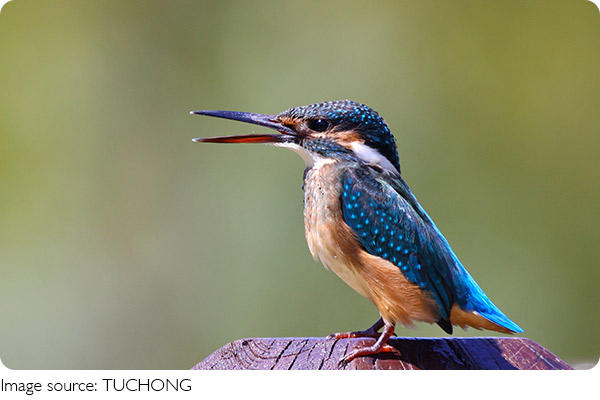
The Malachite kingfisher exhibits remarkable cognitive and behavioral development, particularly in hunting and foraging. Despite their diminutive size, these birds are formidable hunters, employing various techniques to catch prey, including plunge diving from perches or hovering briefly before striking with lightning speed.
This sophisticated hunting behavior is not instinctual but learned through observation, practice, and trial and error. Young Malachite kingfishers closely observe their parents' hunting techniques and gradually refine their skills through repeated attempts and experimentation.
This experiential learning process is essential for developing efficient and effective hunting strategies, ensuring the survival and success of the species.
In addition to their physical and behavioral development, Malachite kingfishers also undergo significant physiological changes as they mature.
One notable example is the development of their stunning plumage, characterized by vibrant shades of blue, green, and copper. This colorful display serves as camouflage, allowing them to blend seamlessly into their surroundings and as a visual signal to potential mates during the breeding season.
As young Malachite kingfishers reach sexual maturity, their plumage becomes increasingly vibrant, signaling their readiness to mate and reproduce.
The Malachite kingfisher exhibits a fascinating array of developmental characteristics contributing to its survival and success in its natural habitat. From its early stages as a helpless chick to its transformation into a skilled and agile hunter, this species demonstrates remarkable adaptability and resilience.
Through a combination of physical, behavioral, and physiological development, Malachite kingfishers are uniquely equipped to thrive in sub-Saharan Africa's diverse and dynamic ecosystems, embodying the beauty and complexity of the natural world.
As top predators, they help regulate prey populations, maintaining ecological balance. Their hunting prowess also aids in controlling insect populations, potentially reducing the spread of diseases carried by vectors like mosquitoes.
These birds contribute to nutrient cycling through their feeding habits, as uneaten prey often decomposes and fertilizes surrounding habitats.