Islands That Glow Beneath

Zoe
28-08-2026
 · Travel Team
Friends, off the coast of West Papua in eastern Indonesia, approximately 1,500 small limestone islands rise from shallow turquoise water in a landscape so densely packed with karst formations, hidden lagoons, and coral reefs that scientists have identified it as the most biodiverse marine region on the planet.
Raja Ampat—meaning “Four Kings” in reference to its four main islands, Misool, Salawati, Batanta, and Waigeo—is famous for its extraordinary marine life and striking landscapes. Its dramatic karst scenery includes steep green limestone islands, hidden lagoons, and clear turquoise waters, with viewpoints such as Piaynemo offering sweeping panoramas across the island-dotted seascape.
Add colorful reefs, quiet homestays, and remote island beaches, and you have a destination that feels far removed from the usual tropical getaway.
Are You Walking Your Dog the Right Way? Easy Tips for Safer, Happier Daily Outdoor Time With Your Pet!
How camels conserve water and survive in some of Earth's driest habitats
Upper Antelope Canyon channels sunbeams through a sandstone slot so narrow that the light appears to rise from the floor.
Where Vineyards, Cypress Roads and Rolling Hills Create Tuscany’s Iconic Countryside
Canyonlands drops 1,000 feet of layered rock into a maze so vast that three districts cannot reach each other by road.
The Isle of Skye stacks jagged rock, fairy pools, and a lighthouse on Scotland's most dramatic coastline.
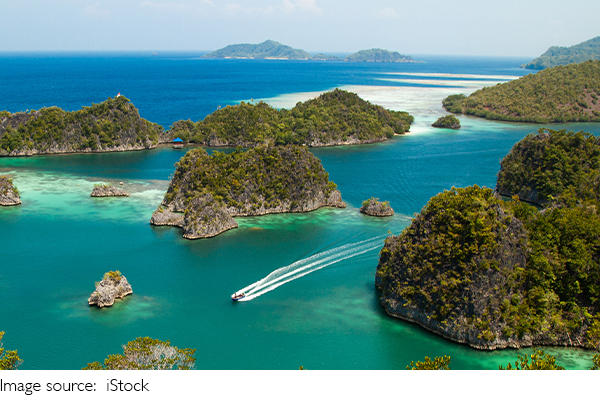
Piaynemo Viewpoint
Piaynemo offers one of Raja Ampat's most iconic karst panoramas. The viewpoint overlooks a cluster of steep green limestone formations surrounded by clear turquoise water, with a stairway leading to elevated viewing platforms. The climb is relatively short but includes a series of steps, and the viewpoint provides sweeping views across the surrounding islands and lagoons.
Check local conditions before traveling, as access and boat arrangements can change.
Permits Required
All visitors to Raja Ampat's marine protected areas are required to purchase two mandatory permits. The Marine Park Entry Permit (Environmental Service Fee) costs approximately IDR 700,000 ($44) for international visitors, valid for 12 months. The Visitor Entry Ticket (Tourist Levy) costs approximately IDR 1,000,000 ($63) for international visitors. Combined permit costs total approximately $107 per person—non-negotiable and essential for legal access to all dive sites, snorkeling areas, and island trails.
Permits can be arranged through the SIPARI online registration portal, through your accommodation, or at the Waisai registration office. Completing registration before arrival streamlines the entry process.
Homestay Living
Raja Ampat's accommodation model is built around locally owned homestays—simple overwater or beachside wooden bungalows operated by island families. Rates typically run approximately $22 to $54 (IDR 350,000 to IDR 850,000) per person per night, almost always including three meals per day. Facilities are basic: cold-water bucket showers, fans instead of air conditioning, limited electricity hours (typically generator-powered from 6:00 PM to 10:00 PM), and minimal or no WiFi.
The trade-off is authenticity—waking up in a wooden hut directly over coral reef, with the reef visible through gaps in the floorboards, is an experience unavailable at any price in more developed destinations. Popular homestay islands include Kri, Arborek, and Gam.
Getting There
The gateway city is Sorong (SOQ airport), reachable by domestic flights from Jakarta (approximately 5 hours, $100 to $300 one way), Makassar ($80 to $200), or Manado ($100 to $250). From Sorong, the public express ferry to Waisai—the capital of Raja Ampat regency—takes approximately 2 hours and costs approximately $8 (IDR 125,000) for economy class. Ferries typically run twice daily (9:00 AM and 2:00 PM)—tickets are purchased at the port counter. A small port fee of approximately $0.75 (IDR 12,000) applies.
From Waisai, boat transfers to individual homestay islands are arranged through your accommodation—costs vary dramatically based on distance, from $15 to $50 for nearby islands to $230+ (IDR 3,700,000+) for remote private charters.
Raja Ampat
Diving Costs
Raja Ampat is widely regarded as the world's premier diving destination, with over 1,500 fish species and 600 coral species documented. Single boat dives cost approximately $55 (IDR 880,000). Multi-dive packages of 5 to 10 dives range from approximately $245 to $520 (IDR 3,900,000 to IDR 8,300,000), offering significant per-dive savings. Liveaboard trips—the most immersive diving format—start from approximately $1,700 to $2,800 for multi-day expeditions covering remote dive sites. Snorkeling from homestay beaches is free and often extraordinary—many house reefs support the same biodiversity found at dedicated dive sites. Bringing personal snorkeling gear is strongly recommended.
Budget Planning
Raja Ampat is remote but surprisingly affordable once initial permit and flight costs are absorbed. A budget traveler spending $40 to $80 per day (IDR 700,000–1.4 million; homestay with meals, shared boats) can sustain a week-long visit for approximately $400 to $700 (IDR 7–12.5 million), excluding flights and permits. The biggest variable cost is boat transportation. Private island transfers typically cost IDR 1.5–6 million (roughly $95–380) for the whole boat, while sharing with other travelers commonly brings the per-person cost down to around $20–50. Cash in Indonesian rupiah is essential—ATMs exist only in Waisai and reliability varies. Bringing sufficient cash from Sorong for the entire stay is the safest strategy.
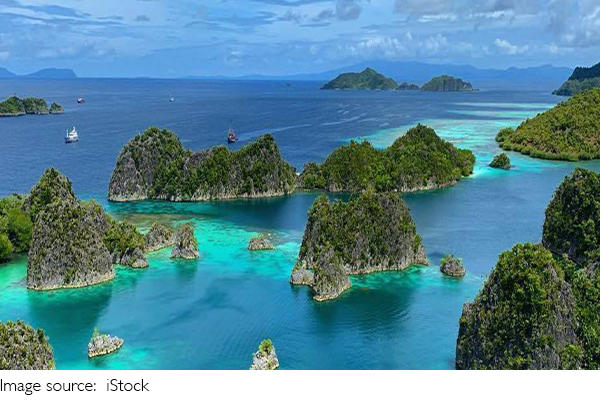
Lykkers, Raja Ampat is one of those places where the numbers don't really prepare you for what you'll see. More than 1,500 fish species, hundreds of coral species, and huge stretches of reef sound impressive on paper, but it feels completely different when you're floating above a house reef and watching the underwater world below you through crystal-clear water.
The journey takes some planning, and the homestays are simple, but that's part of the experience. You get to slow down, spend more time on the water, and see a side of Indonesia that feels wonderfully far removed from everyday life. Would you put Raja Ampat on your travel list, or is there another underwater destination you've always wanted to explore?