Smart Fridge Stocking List

Mariana Silva
02-06-2026
 · Food Team
The difference between a functional fridge and a poorly stocked fridge usually isn't budget. It's strategy.
A well-stocked fridge doesn't need to be full of elaborate ingredients—it needs to be stocked with the right building blocks: proteins that keep well, vegetables that last, condiments that add significant flavor, and a few freezer backups for when everything else runs out.
Proteins That Last
Eggs are one of the most important foods to keep in stock. They work for breakfast, lunch, dinner, and snacks without much planning. A dozen eggs lasts most households about a week and can become scrambled eggs, frittatas, fried rice, egg salad, or tomato-based egg dishes in under 15 minutes.
A simple 30-day smoothie routine for better nutrition and daily wellness
Can berries turn simple tea into a cheerful little ritual?
Can a bowl of simple biscuits become the star of snack time?
Can a basket of vegetables turn into dinner without drama?
Black tea is amazing on its own, but toss in some lemon the right way and you've got a whole new level of delicious.
Cool, creamy, and ready in 5 minutes - your favorite coffee shop drink made right at home for a fraction of the price.
Plain strained yogurt keeps for up to two weeks or longer when unopened, depending on the product, and works as breakfast, a sauce base, a substitute for cultured dairy toppings, and a dip. Cottage cheese lasts about a week after opening and provides around 25–28 grams of protein per cup, depending on the variety. Hard cheeses keep for several weeks in the fridge and add instant flavor to almost anything. Tofu, stored covered in fresh water in the fridge, lasts up to a week after opening and is one of the most versatile proteins for quick weeknight cooking.
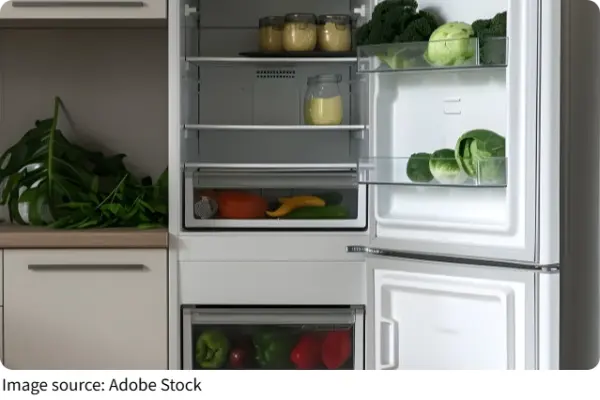
Vegetables That Hold Up
Not all vegetables are created equal when it comes to fridge longevity. Prioritize the ones that last. Carrots keep for 3–4 weeks in the crisper drawer. Cabbage can last several weeks to two months when properly stored. Celery, broccoli, and cauliflower generally hold well for 1–2 weeks. These are vegetables you can buy during a larger shopping trip and still finish before they spoil. Cherry tomatoes often outlast regular tomatoes in the fridge. A bag of pre-washed spinach or mixed greens provides ingredients for salads, stir-fries, and smoothies with minimal preparation.
Condiments as Flavor Insurance
A well-chosen set of condiments turns plain ingredients into satisfying meals. Soy sauce, mustard, hot sauce, fermented soybean paste, and fish sauce together cover a wide range of flavor profiles without requiring a large spice collection. Sesame seed paste works as a dressing, dip, and sauce base. A jar of olives or capers adds instant depth to pasta dishes, salads, and grain bowls with no cooking required.
The Freezer Backup System
The freezer is where convenience truly shines. Frozen soybeans, peas, and corn require little to no preparation and take only a few minutes to heat. A bag of frozen shrimp can go from freezer to plate in about 8–10 minutes with garlic and cooking oil. Frozen cooked grains, such as rice and quinoa, are available pre-packaged or can be batch-cooked and frozen in portions. Frozen berries work well in smoothies, oatmeal, and yogurt bowls throughout the year.
Pre-portioned frozen items such as vegetable dumplings, fish fillets, or containers of homemade soup are ideal for days when cooking is not practical. Having even two or three of these options on hand can make the difference between a balanced meal and an unplanned takeaway purchase.
Bread and Flatbreads
A loaf of sourdough or whole-grain bread freezes well and can go directly from the freezer to the toaster without thawing. Flatbreads can keep in the refrigerator for up to several weeks, depending on the product and packaging, and can be used for quick wraps, filled flatbreads, or as a simple base for oven-baked meals. These items provide one of the fastest paths from having little prepared food available to creating a complete meal.
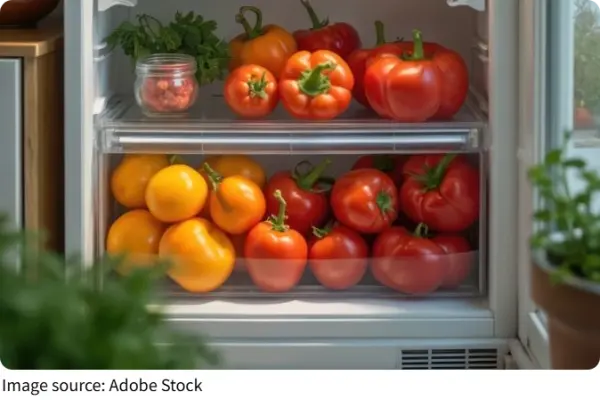
A smart fridge is not about storing more food—it is about storing the right food. By focusing on long-lasting proteins, durable vegetables, versatile condiments, freezer staples, and convenient bread options, it becomes much easier to prepare balanced meals quickly and reduce unnecessary food waste.