No More Dentist Fear

Ravish Kumar
28-05-2026
 · Information Team
Welcome, Lykkers! A visit to the dental clinic can feel overwhelming for many children. Unfamiliar sounds, bright lighting, and new surroundings often trigger worry before anything even begins. This reaction is not unusual in early childhood and is usually driven by imagination rather than real experience.
With the right approach, hesitation can gradually shift into confidence. Child behavior specialists emphasize that early encounters with healthcare settings strongly influence how comfort and cooperation develop in future visits.
Understanding Why Dental Fear Develops
Fear in clinical settings often begins with uncertainty. When children do not fully understand what will happen, the mind tends to create assumptions that may feel intimidating. Mechanical sounds, masks, and unfamiliar tools can also increase uneasiness because they are rarely seen in everyday environments.
Pain on one side of the neck? Common causes and what it might mean!
The Investing Revolution Nobody Is Talking About—And It's Already Changing How You Save!
Finished your run? These foods help rebuild energy and support muscle recovery!
Can medical skill alone build trust? Compassion and communication matter just as much!
Want deeper rest? Healthy bedtime routines support calmer and more comfortable sleep!
How much do mothers affect development? Emotional support shapes children every day!
External influences also play a role. Stories from peers, cartoons, or casual comments may unintentionally shape expectations. These impressions can build emotional resistance even before a first appointment takes place. Recognizing these triggers helps caregivers respond with patience and thoughtful preparation rather than pressure.
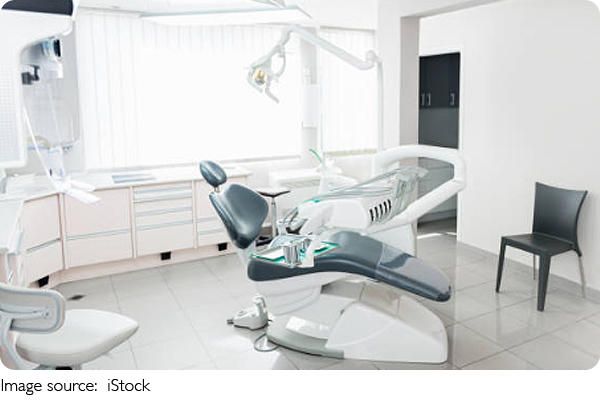
Gradual Familiarization With the Clinic Environment
One effective method for reducing anxiety is gentle exposure to the environment before any procedure takes place. Short introductory visits allow observation of the surroundings without any treatment involved. Sitting briefly in the chair or meeting staff in a relaxed setting can make the environment feel less unfamiliar.
Many pediatric clinics are designed with calming colors, friendly visuals, and child-focused layouts to create a welcoming atmosphere. These design choices help reduce sensory overload and support emotional ease. Repeated visits in a non-threatening context slowly replace fear with familiarity.
Clear and Simple Communication
Explanation plays a central role in shaping emotional response. When upcoming steps are described in a simple and predictable way, uncertainty is reduced. Overly complex explanations may increase confusion, while overly dramatic language may heighten worry. A calm tone that explains each step briefly helps build trust in what will happen next. Predictability is key, as knowing what to expect reduces mental tension. When the experience feels structured and understandable, emotional comfort increases naturally.
Role of Play-Based Preparation
Playful activities can significantly reduce fear by transforming unfamiliar situations into familiar ones. Pretend play using toys or role reversal games allows children to simulate a clinic visit in a safe and controlled way. This creates familiarity with actions and tools in a non-threatening format.
Storytelling can also be effective. Narratives featuring positive experiences in a clinic setting help normalize the process. Through repetition, the brain begins to associate the experience with routine rather than uncertainty, lowering emotional resistance.
Supportive Interaction From Professionals
Pediatric-focused clinicians often use communication techniques designed to build trust. Gentle pacing, calm explanations, and allowing time for observation help create a sense of safety. Small steps such as letting children see instruments before use can also reduce hesitation.
The American Academy of Pediatric Dentistry emphasizes that positive dental encounters early in life are crucial for building lasting healthy habits throughout a person's lifetime.
Influence of Caregiver Behavior
Children are highly responsive to emotional cues from caregivers. Calm behavior before and during appointments helps establish reassurance. When confidence is displayed consistently, it often transfers naturally and reduces apprehension. Avoiding negative expressions or anxious language is equally important. Even subtle signs of worry can shape expectations. A steady and composed presence helps create a stable emotional environment, making the experience feel safer and more predictable.
Positive Reinforcement After Visits
Acknowledging cooperation after each visit helps strengthen positive associations. Simple recognition of bravery or cooperation reinforces confidence without creating pressure. Over time, these small reinforcements contribute to a more relaxed attitude toward future appointments. Repeated positive experiences gradually reshape perception. What once felt unfamiliar becomes part of a normal routine, reducing emotional resistance with each visit.
Building Familiarity Through Routine Visits
Regular scheduling of checkups, even when no treatment is required, helps normalize the environment. Familiarity with staff, surroundings, and process reduces uncertainty over time. Predictable routines create a sense of stability that supports emotional ease.
As visits become part of a consistent pattern, discomfort decreases naturally. Repetition plays a key role in transforming anxiety into familiarity, allowing confidence to develop steadily.

Fear of clinical visits in childhood is a common experience, often rooted in unfamiliarity rather than real discomfort. Gradual exposure, clear communication, supportive interaction, and positive reinforcement all work together to ease this response. Over time, repeated calm experiences help reshape perception into one of comfort and routine.