Bigger vs Smaller Wheels

James Carter
27-05-2026
 · Auto Team
What’s up, Lykkers? Have you ever parked beside two versions of the same car and wondered why one looks sporty and aggressive while the other seems built for comfort? Often, the difference comes down to wheel size.
Bigger wheels may instantly improve appearance, but changing diameter or width does far more than alter looks — it reshapes how a car accelerates, absorbs bumps, corners, brakes, and even consumes fuel.
Before jumping into oversized rims or downsizing for comfort, it is worth understanding what truly happens beneath the fenders.
Wheel Size Is More Than Just Diameter
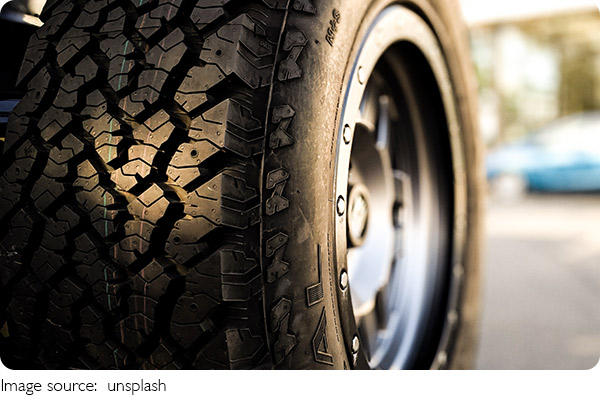
Many drivers assume wheel size only refers to diameter, but the full picture includes width and tire dimensions. A change in wheel setup affects how the tire interacts with the road, suspension behavior, and steering feel. For example, fitting larger wheels usually means reducing tire sidewall height to preserve the overall tire diameter.
Small engine, bigger fuel use? A twist many drivers never expect!
AI Is Quietly Taking Over Your Car: From Design to Intelligent Driving Companions
Mercedes floats, Porsche handles, BMW balances both. Here is how each brand's premium suspension system actually works
Cameras see detail. Lidar maps depth. Radar works in any weather. Together they give self-driving cars a full picture
Modern cars brake before you react and detect drowsiness before you feel it. That is all AI working in the background.
Waymo runs driverless taxis daily. Tesla still needs you watching. Here is where autonomous cars actually stand right now.
This matters because modern vehicles rely on carefully calibrated measurements for speedometer accuracy, suspension geometry, and electronic safety systems. Installing oversized wheels without adjusting tire proportions can lead to inaccurate speed readings and compromised handling.
That is why manufacturers engineer wheel-and-tire combinations as a package. A sporty trim may come with larger wheels, but it is also tuned with suspension adjustments to support the different driving characteristics.
Why Bigger Wheels Feel Different on the Road
A vehicle equipped with larger wheels often feels sharper during spirited driving. One major reason lies in tire construction. Low-profile tires, commonly paired with larger rims, feature shorter sidewalls that flex less during cornering. Less flex creates a more immediate steering response. When entering curves, the vehicle feels tighter and more predictable because the tire deforms less under load.
Drivers often describe the sensation as more connected or precise. Braking can improve as well. Larger wheels frequently allow room for bigger brake rotors and calipers, increasing heat resistance and stopping performance during demanding conditions such as mountain driving or repeated high-speed braking.
However, there is an engineering trade-off. Bigger wheels tend to weigh more, especially if built from heavy cast materials. That additional unsprung mass — weight unsupported by the suspension — makes it harder for shocks and springs to control wheel movement over rough surfaces. On imperfect roads, grip can sometimes decrease because the suspension struggles to keep tires planted consistently.
Smaller Wheels and Why Comfort Lovers Prefer Them
Smaller wheels paired with taller tire sidewalls behave very differently. Think of the tire as an additional cushion between the vehicle and the road. A taller sidewall absorbs imperfections such as potholes, broken pavement, and expansion joints before those impacts reach the cabin. This results in a smoother and quieter driving experience.
For commuters facing uneven city streets or long highway distances, smaller wheels can reduce fatigue during daily use. Impacts feel softer, and cabin vibration is generally less noticeable. There is another practical advantage: replacement costs. Tires designed for smaller wheel diameters are often more affordable because they prioritize durability and comfort rather than ultra-high-performance grip.
Still, softness comes with compromise. During aggressive cornering, taller sidewalls flex more, slightly reducing steering precision. The difference may feel minor in routine driving, but enthusiastic drivers often notice slower response during quick direction changes.
Acceleration, Rotational Weight, and Why Mass Matters
Wheel size influences acceleration in a way many drivers overlook. A wheel is not simply extra weight — it rotates. Rotating mass demands more energy to speed up and slow down than stationary mass. Heavier wheels, especially larger ones, increase rotational inertia, meaning the engine works harder to spin them.
That is why lightweight performance wheels are popular among track enthusiasts. Forged alloys reduce rotational weight while maintaining strength, helping preserve responsiveness. In real-world driving, smaller and lighter wheels may feel quicker when pulling away from traffic lights or during stop-and-go traffic.
Vehicles equipped with heavier wheel setups sometimes feel more sluggish, particularly if engine power is modest. Yet the story is not entirely one-sided. High-speed stability can improve with larger setups, especially when paired with performance-oriented tires. Once momentum builds, the driving feel may seem more composed and planted.
Ride Noise and Road Harshness: The Hidden Cost of Style
Oversized wheels often transform a car’s appearance, but they may also transform the cabin experience. Low-profile tires provide less cushioning between metal wheels and rough asphalt. Instead of absorbing impacts, road imperfections transfer more directly into the suspension and passenger compartment. Expansion joints become sharper, potholes feel harsher, and rough pavement can produce additional vibration.
Noise levels may increase too. Wider tires and performance compounds often generate more road sound, especially on coarse highway surfaces. Drivers seeking sporty aesthetics sometimes underestimate this trade-off. A wheel setup that looks perfect in photographs can feel tiring after hours behind the wheel.
Fuel Economy and EV Range: A Practical Concern
Wheel size affects efficiency more than many expect. Larger wheels generally increase rolling resistance and vehicle mass. Combined with wider tires, they create more friction against the road surface, forcing the engine — or battery pack in electric vehicles — to work harder.
For gasoline-powered vehicles, this usually translates into slightly lower fuel economy. In electric vehicles, the effect becomes even more noticeable because battery efficiency depends heavily on minimizing energy loss.
Automakers frequently offer multiple wheel sizes for the same model, and smaller factory setups often produce better mileage or longer range figures in testing. That does not mean bigger wheels are automatically wasteful, but dramatic upsizing may reduce efficiency enough to become noticeable over time.
The Real Cost Beyond Buying Wheels
Changing wheel size rarely ends with purchasing rims. Upsizing usually requires lower-profile tires, and performance-oriented rubber often costs substantially more. Poor fitment may introduce clearance issues, prompting some owners to spend extra on suspension modifications, alignment adjustments, or spacers.
Long-term expenses also deserve attention. Heavier wheel assemblies can increase stress on suspension components, steering parts, and brakes over many kilometers. For most vehicles, staying close to factory specifications provides the safest balance between comfort, durability, efficiency, and performance.
If sharp handling, visual presence, and sporty feedback matter most, moderately larger wheels may deliver the character you want. If daily comfort, lower running costs, and road practicality take priority, smaller wheels remain difficult to beat.