Sorry Builds Trust

Elena Rossi
27-05-2026
 · Lifestyle Team
Apologies at home are not tiny polite endings. They are emotional lessons in disguise. When a child sees someone admit harm, take responsibility, and repair connection, they learn how care works after tension.
This matters because family life is full of small bumps: rushed mornings, messy rooms, loud voices, tired replies, and misunderstood feelings. A good apology does not erase what happened. It shows that people can return, fix, learn, and stay connected.
Why Apologies Teach So Much
Apologies may seem simple, yet children study them closely. They notice who apologizes, how fast repair happens, and whether the apology feels real. You can use these moments to teach honesty, empathy, and emotional courage in a natural way.
Baseball Jacket Mastery: 4 Easy Looks & Color Rules for an Effortless Style Upgrade Made Simple
Can Kids and Rabbits Really Live Together Safely Without Stress? Simple Home Tips That Actually Work!
Can daily reading habits quietly shape a child’s learning path, imagination, and confidence in ways we often overlook?
Can Small Daily Parent-Child Moments Quietly Transform Your Home Into A Happier, More Connected, And Supportive Place For Everyone?
What moms teach matters?! Simple life lessons that shape strong character!
Kids in the rain again? Tiny moments may spark bigger growth than expected!
Apologies show that mistakes are manageable
Children often fear mistakes because mistakes can bring shame, blame, and tension. A calm apology changes the meaning of error. It says that something went wrong, but the relationship can still be safe.
When you say, that was too sharp, let me try again, your child sees a powerful model. You are not pretending the moment was fine. You are showing that responsibility can be taken without panic. This helps children build a healthier response to their own mistakes.
Children learn how to repair by watching others repair
A child cannot fully learn apology skills from a command alone. Say sorry may produce words, but not understanding. Real learning happens when children see repair in action.
For example, after a rushed morning, you might say: "My voice got too loud earlier. You still needed to get ready, and my tone was not helpful." This gives the child a clear structure: name the action, name the effect, and reconnect.
A forced apology can miss the lesson
Many children say sorry quickly just to escape discomfort. That may sound polite, but the emotional learning stays thin. A better approach is to slow the moment down.
You can ask, what happened? how did it affect the other person? and what can help now? These questions guide reflection. The apology then becomes a bridge, not a magic eraser.
Good apologies protect dignity
At home, apology learning should not feel like public defeat. Children respond better when correction protects their dignity. A private, calm repair often teaches more than a dramatic scene.
When siblings clash, help each child explain one feeling and one next step. The aim is not to crown a winner. The aim is to rebuild trust and make the next interaction safer.

The Practice of True Repair
Apologies become easier when families have simple tools. You do not need perfect speeches. You need clear language, honest ownership, and small actions that show the repair is real.
Use the three-part apology
A useful apology has three parts: what happened, why it mattered, and what changes next. This structure keeps the apology from becoming vague.
Try this: I grabbed the toy from you. That upset you. Next time, I will ask first. For younger children, you can simplify the language. For older children, invite more detail. The goal is clear responsibility without heavy shame.
Teach action after words
Sorry is stronger when paired with repair. If a child knocks over blocks, repair may mean helping rebuild. If someone interrupts, repair may mean giving the speaker another turn. If a mean comment happens, repair may mean saying one respectful thing and changing the tone.
This makes apology practical. Children learn that care is not only a sentence. Care is also what happens next.
Model apologies from grown-ups
Some families avoid grown-up apologies because they fear losing authority. In reality, sincere repair can strengthen authority. It shows emotional steadiness and fairness.
A child who hears a grown-up say, that reaction was not right, learns that responsibility belongs to everyone. This does not weaken family limits. It makes limits feel more trustworthy.
Separate excuse from explanation
Children often mix apology with defense. They may say they were tired, annoyed, rushed, left out, confused, embarrassed. Those details can matter, but they do not replace responsibility.
You can teach this balance gently: the feeling explains the moment, and the choice still needs repair. This helps children understand themselves without avoiding impact.
Make empathy specific
A vague apology often sounds empty because it misses the other person's experience. Help children name the impact in simple terms.
Instead of a flat sorry, guide them toward, you felt left out when the game started without you. That sentence shows attention. It teaches children to look beyond their own discomfort and notice another person's emotional world.
Create a calm repair corner
A repair corner does not need to be a special place. It can be a couch spot, a small table, a hallway pause, even two chairs facing the same direction. The point is to create a predictable space where hard moments can settle.
Use it for short talks, keep it calm and brief. Long speeches can turn repair into another problem.
Use playful practice
Apology skills can be practiced through silly scenes. Let a stuffed animal take the last block, bump a tower, then try a clumsy apology. Children often learn faster when laughter lowers pressure.
You can ask the child to fix the apology. They may suggest better words. This gives them practice without making them feel accused.
End with reconnection
After an apology and repair, give the relationship a soft landing. A smile, a nod, a calmer activity, a shared task, a short phrase like we are okay can help.
This final step matters. Children need to learn that repair brings people back together. Without reconnection, apology can feel like punishment. With reconnection, apology becomes emotional confidence.
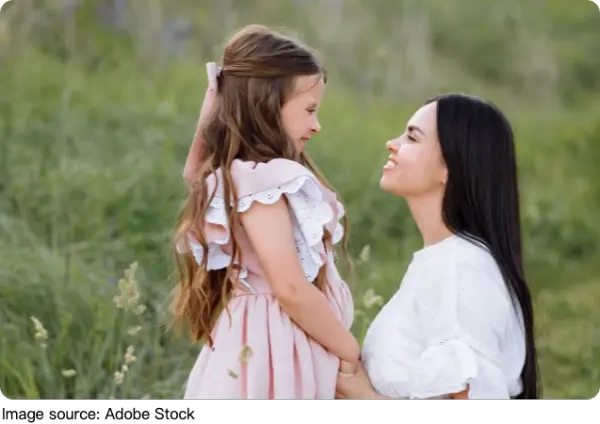
Apologies at home teach children how to handle harm, honesty, and connection. They learn that mistakes can be faced, feelings can be named, and trust can be rebuilt through action. Here is the simple lesson: keep apologies clear, calm, specific, and paired with real repair. That is how everyday family moments transform into lifelong emotional education.