Jump Rope & Height?

James Carter
26-05-2026
 · Information Team
Welcome Lykkers! The idea that a simple rope exercise might influence height has traveled across playground conversations, fitness forums, and school training grounds for years.
The visual rhythm of repeated jumps often creates the impression of upward expansion and physical transformation.
Yet scientific understanding of growth, posture, and physical development presents a more layered explanation. Jumping rope offers measurable benefits for coordination, endurance, and body alignment, but its connection to height requires careful and accurate interpretation.
What Determines Height Development
Height is primarily shaped by inherited biological programming and developmental timing. During childhood and teenage years, the body follows a natural progression influenced by nutrition, rest patterns, and hormonal activity. Once this developmental phase completes, vertical growth reaches a stable point.
Simple daily habits that support lasting freshness and help maintain a clean, comfortable mouth throughout the day
How Regular Time in Nature Supports Mobility, Emotional Well-Being, Cognitive Health, and Social Connection in Later Life
The Hidden Financial Strategy Behind Freedom, Time, and Happiness!
Enhancing Mental Health, Focus, and Emotional Well-Being Through Simple Physical Activity
Simple daily routines to keep your cat active, curious, and mentally sharp
From Wooden Hulls to Steel Giants – How Shipbuilding Transformed Over Centuries
Jumping rope does not alter genetic coding or the fundamental processes responsible for height formation. Instead, physical activities like this influence how the body is supported, how posture is maintained, and how efficiently movement patterns are coordinated.
A key distinction exists between actual structural growth and visual appearance. Improved posture can create a taller visual impression, even without changes in physical structure.
How Jumping Rope Influences Body Alignment and Posture
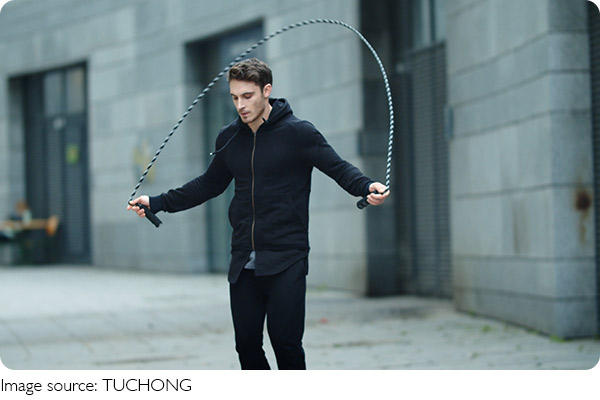
Jumping rope is a rhythmic, full-body activity that engages coordination between upper and lower movement patterns. The repeated upward and downward motion encourages dynamic stability and balance control.
Over time, consistent engagement in such activity may support upright alignment by strengthening postural awareness. When the body maintains a more aligned position, vertical presentation can appear enhanced. This is often mistaken for height increase, although it reflects positioning rather than structural change.
The continuous landing and rebound rhythm also encourages controlled movement habits. These habits help reduce slouching tendencies, especially in individuals who spend long hours in seated environments.
The Role of Impact Activity in Physical Adaptation
Rope-based movement introduces repeated low-impact force cycles. These cycles stimulate responsiveness in connective support systems and improve coordination efficiency. Such activity is widely used in athletic conditioning because it develops timing, agility, and rhythm control. While these adaptations improve physical performance, they do not extend natural height limits. Instead, they refine movement quality and posture stability.
Athletic training programs often include rope exercise as part of warm-up routines precisely because of its ability to activate multiple systems simultaneously without requiring complex equipment.
Misinterpretation Between Posture and Height Increase
A common misunderstanding arises when improved posture is observed after consistent physical activity. A more aligned stance may create the impression of added vertical length. However, this is a visual adjustment rather than a structural transformation.
Jumping rope can support awareness of upright positioning, especially when performed regularly. This awareness may gradually reduce habitual slouching patterns. As a result, individuals may appear more extended in stance and movement.
The American College of Sports Medicine (ACSM), a leading authority in exercise science, emphasizes the broader value of regular physical activity. As stated: "Exercise is medicine."
Additional Benefits Beyond Height Expectations
Even though height alteration is not an outcome, jumping rope provides a range of measurable benefits that contribute to physical performance and daily vitality. Key advantages include:
- Improved rhythmic coordination between upper and lower movement patterns
- Enhanced balance control through repetitive timing adjustment
- Increased cardiovascular efficiency through sustained activity cycles
- Better spatial awareness during dynamic motion
- Stronger posture awareness through repetitive upright engagement
Dr. Meghan Wieser, a doctor of physical therapy and strength coach, states that maintaining proper posture during the exercise is critical to avoiding spinal strain, noting that consistent jump rope practice directly benefits "osseous tissue health, osseous mineral density, cardiovascular-ly and explosivity," which naturally supports an upright, aligned stance.

Dear Lykkers! Jumping rope stands as a highly effective and accessible physical activity that supports coordination, posture awareness, and movement efficiency. The true value of rope-based movement lies in its ability to enhance body alignment, rhythm control, and physical confidence. Improved posture may create a taller appearance, but actual height is determined by biological programming and developmental factors.
Reflecting on this distinction encourages a clearer understanding of how movement shapes physical presentation. Exploring regular activity habits, including jumping rope, can still provide meaningful benefits that extend far beyond appearance, supporting overall physical capability and daily performance.