Goldfish Digging Secret!

Elena Rossi
22-05-2026
 · Animal Team
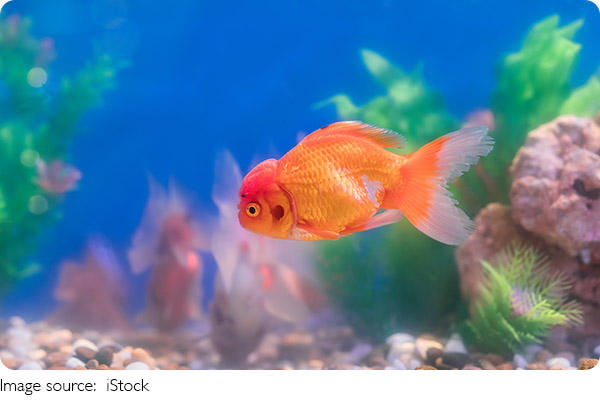
Hi Friends! Goldfish may look calm and graceful as they glide through the aquarium, but they are surprisingly active little creatures. One moment they are swimming peacefully, and the next they are digging through the gravel with a pebble sticking out of their mouth.
For many new fishkeepers, that behavior can look a bit alarming. Are they choking, eating rocks, or is this actually a normal goldfish habit?
Why Goldfish Constantly Mouth Gravel
Goldfish are opportunistic feeders. In nature, they spend much of their day scavenging riverbeds and pond bottoms for edible scraps, insect larvae, algae, and plant matter. That instinct remains strong even inside a home aquarium. When a goldfish pushes its mouth into gravel, it is not trying to eat the stones themselves. Instead, the fish is filtering through the substrate to locate anything nutritious hiding between the particles.
Understanding Their Instincts and How to Keep Your Rabbit Calm and Comfortable
How Do Rabbits Outsmart Danger in the Wild? Their Hidden Skills Are More Impressive Than You Think!
Cute face, giant eyes, surprising habits! what story hides behind it?
Why Are Rabbit Ears So Long? These Hidden Functions Explain Why Rabbits Are Smarter And Cuter Than We Imagine!
Can Goldfish Live Much Longer Than We Think? Simple Care Changes That Help Them Thrive for Years!
From storms to speed—how does it survive? You won’t expect these answers!
Tiny algae films, leftover food, microorganisms, and biofilm can all collect around gravel beds, turning the bottom of the tank into a natural feeding ground. Goldfish use a behavior similar to sifting. They take in bits of substrate, separate edible material, and then release the unwanted pieces. Aquarists often notice small stones briefly disappearing into the fish’s mouth before being pushed back out moments later.
This is normal behavior and usually not a sign of illness. Some gravel particles may accidentally pass through the digestive tract. In healthy goldfish, tiny grains are often expelled naturally through waste without causing injury. Their digestive system is surprisingly resilient when dealing with fine substrate.
When Pebbles Become Dangerous
Problems begin when the tank contains gravel that is just slightly smaller than the fish’s mouth. Pebbles around pea-size are especially risky because they can become trapped inside the mouth or throat. A stuck pebble can prevent normal breathing and feeding.
In severe cases, the fish may repeatedly open and close its mouth, scrape against decorations, or panic while swimming erratically. If left untreated, stress and oxygen deprivation can become life-threatening. Fancy goldfish varieties are often more vulnerable because their rounded body shape and altered jaw structure reduce maneuverability inside the mouth.
Younger fish are also curious and more likely to investigate substrate aggressively. One overlooked issue is that smooth decorative stones sold for aquariums are sometimes the exact size goldfish can accidentally swallow. While they may look attractive inside the tank, aesthetics should never come before safety.
How to Remove a Pebble Safely
If a pebble becomes stuck, calm handling is critical. Sudden squeezing or rough extraction can damage the delicate mouth tissues and gills. Before touching the aquarium, thoroughly wash your hands with warm water only. Soap residue, lotion, or oils can contaminate the tank water and harm the fish.
Next, unplug aquarium equipment such as heaters and filters to eliminate electrical risks while your hands are submerged. Slowly guide the goldfish toward the glass and gently hold it without applying pressure to the abdomen. Using aquarium-safe tweezers, carefully open the mouth from the sides and remove the lodged pebble with minimal force. Precision matters more than speed. If the fish struggles violently, pause briefly rather than forcing the extraction.
Some aquarists prefer using a soft net to stabilize the fish outside the water. While this can improve visibility, the process must be extremely quick because goldfish should never remain exposed to air longer than necessary. After the pebble is removed, release the fish immediately and monitor its breathing for several hours. Mild soreness is common, but prolonged gasping or refusal to eat may indicate injury requiring closer observation.
Choosing Safer Substrate for Goldfish
Experienced keepers often avoid medium-sized gravel entirely. The safest choices are usually either very fine sand or rocks too large to fit inside the fish’s mouth. Fine sand works well because goldfish can sift through it naturally without becoming trapped. Unlike coarse gravel, sand also prevents food debris from sinking deeply out of reach, reducing waste buildup inside the aquarium.
If larger decorative stones are preferred, ensure they are significantly wider than the fish’s mouth opening. Aquarium-store rocks are generally safer because they are treated and tested for aquatic use. Collected outdoor stones should never be placed directly into a tank without preparation. Some rocks contain minerals or chemical residues capable of altering water chemistry.
Boiling and sanitizing natural stones before use helps reduce contamination risks. Texture matters too. Sharp gravel can scratch the mouth and damage sensitive gill tissue during foraging. Smooth, rounded substrate is always the safer option for goldfish that constantly dig through the bottom.
Bottom-Dwelling Behavior During Breeding Season
Not every gravel-related behavior revolves around feeding. During breeding periods, goldfish become unusually active around the substrate and decorations. Males often chase females while nudging plants, rocks, and gravel repeatedly. This behavior is tied to spawning activity rather than hunger.
Aquarists unfamiliar with breeding signs sometimes mistake the frantic bottom interaction for illness. However, aggression should still be monitored closely. Excessive chasing can exhaust weaker fish, especially inside crowded tanks with limited swimming space.
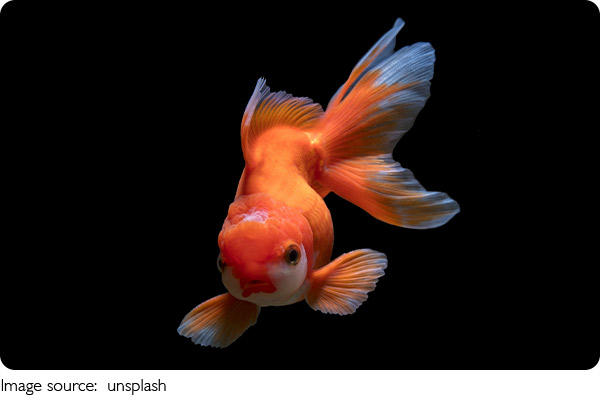
Goldfish are intelligent, energetic fish with strong natural instincts to forage and explore. Their habit of picking up gravel is not strange behavior—it is part of how they interact with their environment. The real issue lies in choosing unsuitable substrate that turns harmless curiosity into a health risk. By choosing the right gravel size, using smooth materials, and understanding why goldfish behave this way, you can create a tank that looks stunning while still keeping your fish safe from preventable accidents.