Grow Plants from Cuttings

Pardeep Singh
21-05-2026
 · Lifestyle Team
There's something quietly satisfying about it—a single snip from an existing plant, a glass of water on a sunny windowsill, and then, three weeks later: roots.
New life from something that would have been trimmed off anyway. Plant propagation from cuttings is one of those skills that looks complicated until you actually try it, and then it just becomes something you do automatically.
Why Cuttings Instead of Seeds
Growing from seed is slower and produces offspring that can vary from the parent plant. Cuttings produce a clone — genetically identical to whatever you took them from. If a plant has variegated leaves, unusual color, or a growth habit you love, a cutting preserves all of that exactly. For many houseplants and garden favorites like pothos, philodendron, coleus, and herbs, cuttings are also dramatically faster and more reliable than waiting on seeds to germinate and mature.
Ever had a friend decades older—or younger—and wondered why it feels so enriching?
Could Your Living Room Feel Bigger, Brighter, and More Flexible? Explore Layout Ideas That Transform Everyday Home Space Easily!
Can These Simple Stroller Safety Habits Make Every Baby Outing Feel Safer, Smoother, and More Comfortable for Us?
Want Stress-Free Family Outings? Smart Outdoor Safety Tips Every Parent Should Know Before Traveling With Kids!
How Can We Bridge the Gap Between Grandparents and Grandchildren to Build Closer, Happier Everyday Family Connections?
How Can One Denim Jacket Transform Your Entire Wardrobe Into 5 Stunning Looks? You Might Be Surprised!
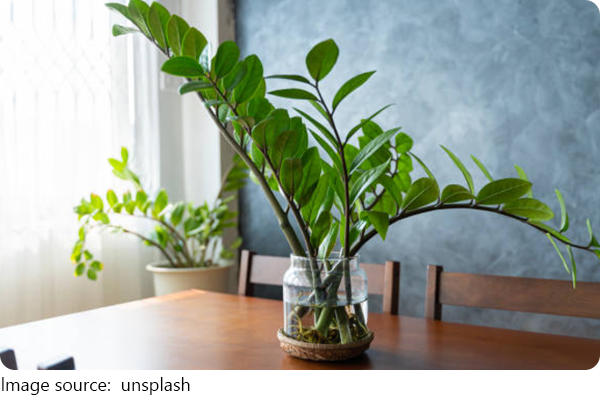
Take the Right Kind of Cutting
For most houseplants and soft-stemmed garden plants, look for a healthy stem with two to three leaves. The cutting should be somewhere between 4 and 6 inches long. Longer isn't better — an oversized cutting won't root well and tends to grow into a leggy, unbalanced plant rather than a compact one. Find the node, which is the knobby section on the stem where leaves and new stems grow from. Make a clean, diagonal cut just below the lowest node. Remove any leaves from the bottom third of the cutting since any leaves buried in soil or submerged in water tend to rot.
Root in Water First
For many common houseplants, water propagation is the easiest starting point. Place the cutting in a clean glass or jar with enough room-temperature water to cover at least one node. Position it somewhere with bright, indirect light. Change the water every three to five days — stale water turns yellow and can promote bacteria. Roots typically start appearing within a week for easy plants like pothos or tradescantia, while others take longer. Once roots reach roughly 3 to 5 inches in length, the cutting is ready to container up in soil.
Root Directly in Soil for Stronger Results
Cuttings rooted in water tend to have more delicate, water-adapted roots that can struggle after transitioning to soil. Rooting directly in a soilless mix — sand, perlite, or a dedicated propagation mix — produces stronger, more fibrous roots from the start. Dip the cut end in rooting hormone powder first, which speeds up root formation and improves success rates especially for plants that are slower to root. Insert the cutting about 2 inches deep and firm the medium around it gently. Keep it evenly moist but not wet.
Keep Humidity High While Rooting
The biggest challenge with cuttings is that they're losing moisture through their leaves while they don't yet have roots to replace it. Covering the cutting with a clear plastic bag, a cut plastic bottle, or a dedicated humidity dome slows that moisture loss and keeps the cutting from wilting before roots form. Leave a small gap for air circulation and remove the cover briefly every few days to prevent mold from developing inside. Keep the cutting in bright but indirect light during this period — direct sun will overheat the enclosed space.
Harden Off Before Full Exposure
Once roots have formed and there are signs of new growth, the cutting is technically a plant — but it still needs gradual adjustment. It's been in a sheltered, high-humidity environment and moving it suddenly into drier air or stronger light can cause shock. Open the humidity cover for a few hours per day, extending that window gradually over about a week. Then move the new plant to its permanent spot. After that, treat it the same as any established plant.
Growing plants from cuttings is a rewarding way to connect more deeply with your plants. By understanding the basics—selecting healthy cuttings, providing the right environment, and giving them proper care—you can successfully propagate a wide variety of plants. With patience and attention, what starts as a simple snip can flourish into a thriving new plant, allowing you to enjoy the beauty of growth and the satisfaction of nurturing life from its very beginning.