Tire Safety & Maintenance

Camille Dubois
21-05-2026
 · Auto Team
Tires are the only part of a vehicle that contacts the road, making them essential for safety, performance, and efficiency.
Tire problems are often overlooked until a failure occurs, but many accidents and costly repairs can be prevented with simple, regular maintenance.
Proper tire care ensures better traction, shorter stopping distances, smoother handling, longer lifespan, and lower fuel consumption. Understanding how to maintain tire pressure, tread depth, rotation, and alignment is essential for every driver.
1. Tire Pressure: The Most Important Factor
Maintaining proper tire pressure is critical for safety, fuel efficiency, and tire lifespan. Underinflated tires flex excessively, generating heat that can cause failure, while overinflated tires reduce traction and wear unevenly.
Understand how pads, rotors, fluid, and calipers interact and learn to spot warning signs before costly repairs are needed.
How can we quickly cool a sun-heated car using simple everyday airflow tricks that make the cabin feel noticeably fresher in minutes?
Understanding HEPA, Activated Carbon, and Ionizers for Healthier In-Car Air
Cactus leather, grape-waste textiles, and recycled nylon — how luxury carmakers are replacing hide without losing luxury
Cabin filters, refrigerant leaks, and mold in the evaporator — what actually keeps your car's AC running clean and cold
Choosing the right oil, knowing when to change it, and doing it correctly — the steps that genuinely extend engine life
Check tire pressure when the tires are cold, before driving or after the vehicle has been parked for several hours. The correct pressure is listed inside the vehicle, not on the tire. Most passenger tires require 30–35 PSI. Pressure should be checked monthly and adjusted with temperature changes, as cooler conditions reduce air pressure.
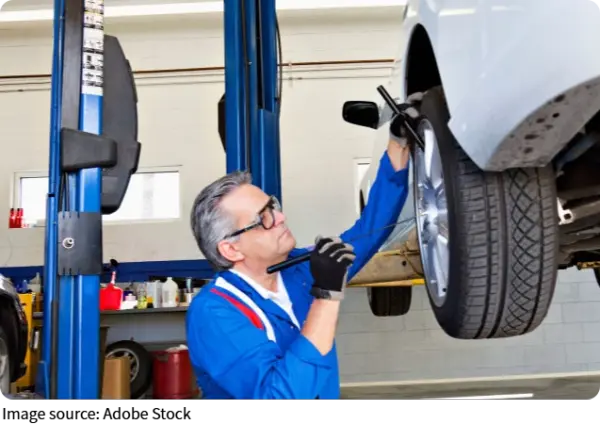
2. Tread Depth: Maintaining Grip
Tread channels water away from the road, improving traction and reducing the risk of hydroplaning. Tires with worn tread take longer to stop and handle less predictably in wet conditions.
The minimum safe tread depth is 2/32 inch, but replacing tires at 4/32 inch is safer, especially in wet conditions. A simple coin test can check tread: insert a coin into the groove, and if the top of the coin is visible, the tire should be replaced.
3. Tire Rotation: Even Wear
Front and rear tires wear differently because of steering, braking, and drivetrain load. Uneven wear reduces tire life and can compromise handling.
Rotating tires every 6,000 to 8,000 miles distributes wear evenly across all tires. Regular rotation extends tire life, improves performance, and helps prevent premature replacement.
4. Alignment and Balance: Smooth Performance
Wheel alignment ensures tires contact the road correctly. Misalignment causes uneven wear and can reduce handling. Signs include the vehicle pulling to one side or uneven tread wear. Alignment should be checked regularly or after any impact with curbs or potholes.
Wheel balancing ensures even weight distribution around the tire and wheel assembly. Imbalance causes vibrations and can accelerate wear on suspension components. Tires should be balanced when new tires are installed or if vibrations appear during driving.
5. When to Replace Tires
Tires should be replaced when tread reaches the minimum safe depth or if there are noticeable issues affecting performance. Focusing on tread condition, pressure, and handling is the most reliable way to determine when replacement is needed.
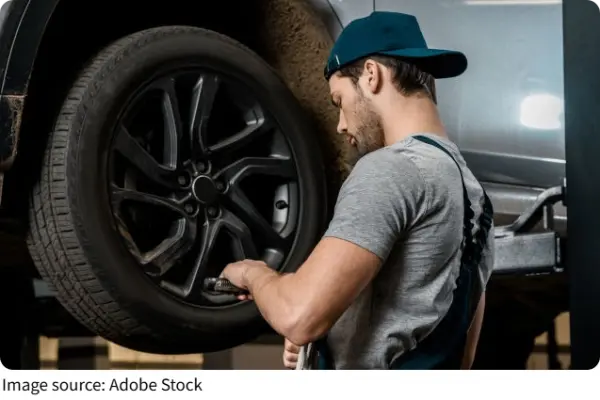
Regular tire maintenance is a simple but essential step in keeping vehicles safe and performing well. Monitoring pressure, tread depth, rotation, and alignment can prevent accidents, extend tire life, and improve fuel efficiency. Tire care requires consistent attention but delivers major benefits in safety, performance, and cost savings. Taking a few minutes each month to check tires ensures every journey is smoother, safer, and more reliable.