Water for Wildlife

Arjun Mehta
20-05-2026
 · Animal Team
Ever noticed birds flocking to a sparkling stream on a hot day or deer pausing to drink from a clear pond? Ever noticed birds flocking to a sparkling stream on a hot day or deer pausing to drink from a clear pond?
Clean water doesn't just quench thirst—it fuels the entire ecosystem. For wildlife, access to pure water is essential for survival, reproduction, and long-term health. Without it, entire populations can struggle, and the delicate balance of nature can tip in unexpected ways.
Why Clean Water Matters for Wildlife
Water is the foundation of life for all living creatures. Polluted water can carry harmful bacteria, chemicals, and heavy metals that impact not only drinking sources but also the plants and smaller animals that larger species rely on. For example, amphibians are highly sensitive to pollutants; a small increase in toxins can lead to deformities or death in tadpoles. Similarly, fish exposed to contaminated rivers often experience slower growth, reduced reproduction, and weakened immune systems.
5 Fruits Your Cat Will Actually Love—Number 1 Will Surprise You!
Discover the Rainbow-Lined Congo Tetra: Stunning Aquarium Fish That Transform Your Tank!
Decoding Pet Intelligence: From Problem-Solving to Social Skills!
Why Do Dogs Circle Before Bed? Discover the Fascinating Survival Instinct Behind This Common Habit!
From Wild Wolves to Loyal Companions: How Dogs Became Humanity’s First and Forever Family.
Why Do Dogs Spin Around Before They Sleep? Uncovering the Ancient Instinct Behind This Curious Behavior.
Examples of water pollutants to watch for:
1. Industrial chemicals like pesticides and fertilizers
2. Household waste and detergents
3. Oil or chemical spills near waterways
A healthy water source ensures animals can thrive without the constant threat of disease or reduced fertility.
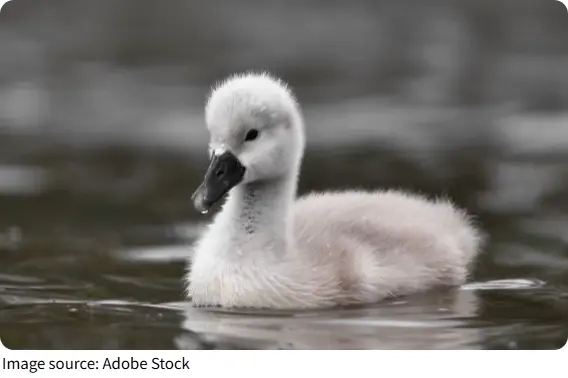
How Clean Water Supports Food Chains
Wildlife doesn't exist in isolation. Each species relies on a network of food sources that are linked to water quality. Clean rivers and lakes allow plants and smaller aquatic animals to flourish, creating a strong foundation for predators higher up the chain.
Step-by-step benefits for the food chain:
1. Aquatic plants grow without chemical interference, providing oxygen and shelter
2. Small fish and invertebrates feed on plants and algae
3. Larger predators like birds and mammals find sufficient, healthy prey
By maintaining clean water, you're indirectly supporting not just individual species but entire ecosystems. For instance, otters in polluted rivers often face reduced prey availability, which can lower their populations over time.
Preventing Disease Through Clean Water
Dirty water is a breeding ground for pathogens that affect both wildlife and humans. Contaminated water can carry parasites, viruses, and bacteria that weaken animal populations. Waterborne illnesses can spread quickly through dense populations, threatening species that already face habitat loss.
Actions that reduce disease risk:
1. Protecting natural water sources from runoff
2. Avoiding dumping household chemicals or waste near ponds and streams
3. Supporting local conservation efforts that monitor water quality
For example, wetlands filtered by natural plants remove toxins and bacteria, giving both animals and people safer access to water.
Practical Ways to Help Maintain Clean Water
Everyone can play a part in keeping water clean for wildlife. Simple steps in daily life can have a significant impact on nearby ecosystems.
Practical tips:
1. Use environmentally friendly products in your home to reduce chemical runoff
2. Participate in or organize local clean-up efforts for streams and rivers
3. Plant native vegetation along waterways to prevent erosion and filter pollutants
Even small actions, like properly disposing of household waste, can prevent harmful substances from reaching animal habitats.
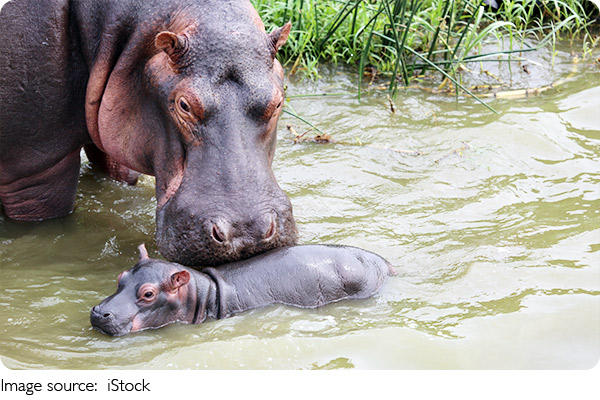
Long-Term Benefits for Ecosystems
Sustained access to clean water strengthens wildlife populations, increases biodiversity, and stabilizes local ecosystems. Healthy rivers and lakes attract more species, support breeding success, and create resilient environments that can better withstand environmental changes.
Example of long-term impact:
• A restored river can see a return of fish, amphibians, and birds within just a few years
• Improved water quality reduces stress and disease, allowing species to thrive naturally
These improvements create a ripple effect, benefiting plants, insects, and even the surrounding human communities.
Clean water is more than a convenience; it's a lifeline for wildlife. By protecting and restoring our water sources, we're ensuring animals have safe habitats, robust food chains, and healthier populations. Next time you spot a sparkling pond or stream, remember—it's a small ecosystem thriving because the water is pure, and it's worth every effort to keep it that way.