Safe Kids Dining

Declan Kennedy
18-05-2026
 · Lifestyle Team
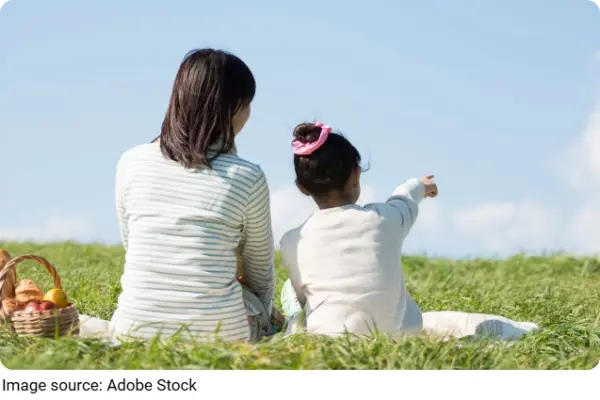
When we head outdoors with children for meals, the experience is usually full of excitement, movement, and discovery. Kids touch, explore, and try new things, which naturally makes eating outside part of the day.
But alongside this joy, we also need to keep a few simple habits in mind to make sure the experience stays comfortable and safe. Let’s go through them together in a clear and practical way.
Keeping Hands Clean During Activities
When we are outdoors, children often interact with many surfaces such as benches, playground equipment, plants, or public structures. These surfaces may carry invisible microorganisms that can transfer to food easily.
To reduce this risk, we should encourage regular hand cleaning, especially before eating. If water and soap are not available, carrying wet wipes or a portable cleaning solution can help. This simple routine can make a big difference in maintaining daily hygiene during outings.
Need quick peace? These methods help reduce tension and restore calm in minutes!
Curious about candle-making? Unleash your creativity with easy steps to craft your own scented candles at home!
Are the patterns on your ceramic tableware hiding something harmful? Find out if your favorite dishes are truly safe to use!
Flat Or Fluffy? Quiet Or Sparkly? Unbox Tricks That Make Every Gift Feel Like Gold!
Transform your space into the ultimate cozy tea haven with these simple, stylish decorating tips! Ready to relax?
One overhead light is ruining your room — here's the layered lighting system that designers actually use.
Making Sure Food is Fully Cooked
When we eat outside, food preparation standards can vary depending on the place. One of the most effective ways to reduce risks is ensuring that food is fully cooked. Proper heat treatment helps reduce harmful microorganisms.
We should avoid giving children meals that are not fully cooked or dishes containing raw animal-based ingredients. Even when food looks fine on the outside, internal parts may still require full preparation to be safe.
Separating Raw and Ready-to-Eat Items
During outdoor meals, it is easy for ingredients to come into contact with each other. This is why we should keep raw items separate from ready-to-eat food whenever possible.
For children, it is usually better to choose foods that are fully prepared instead of uncooked mixtures. Some dishes may include lightly processed ingredients that require extra attention, so simple separation habits help reduce unnecessary risks.
Keeping Food at the Right Temperature
Temperature plays an important role in food quality. When food stays at room conditions for too long, microorganisms may grow more quickly.
We can manage this by keeping cold items chilled and warm dishes properly heated until consumption. Using insulated containers or cooling bags during outdoor activities helps maintain better stability and keeps meals more reliable.
Choosing Safe and Clean Drinks
When children are active outdoors, they often feel thirsty and look for refreshing drinks. However, the quality of water or ice used in public settings may not always be consistent.
To stay on the safe side, we can prepare drinking water at home and carry it in a personal bottle. This simple step helps ensure that hydration is both clean and predictable throughout the day.
Balancing Snack Choices for Children
Outdoor outings often bring excitement, and children may want to try a variety of snacks. While enjoyment is part of the experience, we should still guide both frequency and portion size.
Sweet snacks can be appealing but may require extra attention for dental care if consumed often. Similarly, salty packaged foods should be kept moderate to maintain balanced daily intake.
Some quick-serve food items may be heavily processed, so choosing them occasionally rather than frequently can help maintain a healthier routine. Instead, we can offer lighter options like washed fruit pieces or simple dairy products, which are easy to carry and consume during activities.
Simple Planning Improves Outdoor Dining
Before leaving for outdoor activities, we can prepare small, easy-to-carry food items. Fresh fruits such as berries or cherry tomatoes are convenient and refreshing. A bottle of milk or similar drink can also help maintain energy during active play.
With a little preparation, we reduce uncertainty and create a smoother eating experience for children, even when we are away from home.

When we enjoy outdoor meals with children, the goal is to support a balanced and comfortable experience rather than limit enjoyment. With a few simple habits—clean hands, properly prepared food, careful separation, temperature awareness, safe hydration, and balanced choices—we can make outings more reassuring for everyone. Lykkers, small daily actions build stronger routines over time. Let’s continue to enjoy these outdoor moments with more ease, awareness, and shared happiness.