Keeping Pets Safe Together

Liam Reilly
14-05-2026
 · Animal Team
You're walking your dog in the park, and another animal suddenly appears around the corner. x
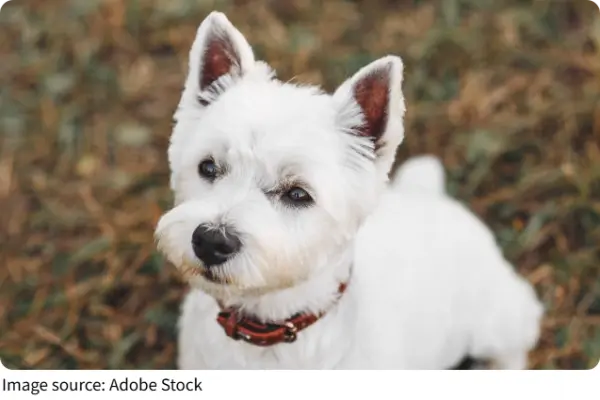
Your pet freezes, tail stiff, ears alert. Moments like this are common, and they're exactly where safety either holds—or slips. Keeping your pet safe around other animals isn't about control or fear.
It's about preparation, awareness, and small daily habits that reduce risk before anything goes wrong.
Understand Your Pet's Signals
Animals communicate long before a situation turns risky. Learning to read these signs is your first line of protection.
1. Early warning cues
Most pets show subtle signals when they're uncomfortable: stiff posture, avoiding eye contact, raised fur, or sudden stillness. These are signs they need space, not pressure.
That extra weight may look cute—but it quietly strains your pet's body.
The quiet changes that matter most as your pet grows older
How to avoid bad buys and get pet supplies that actually work.
One wrong click can harm your pet—here’s how to choose medication with confidence.
Shocking: 3 Weird Courtship Rituals That Redefine "Romance" in the Wild!
How polar bears adapt their diet when food is scarce in the frozen north.
2. Actionable example
Spend five minutes a day observing your pet during calm moments and mild distractions. Note how their ears, tail, and body shift. This baseline helps you spot stress faster when another animal is nearby.
Control First Meetings Carefully
The way animals meet sets the tone for future interactions.
1. Neutral spaces matter
Introduce animals in open, neutral areas rather than inside a home or enclosed space. This reduces territorial tension and gives both sides room to move away if needed.
2. Actionable example
When introducing a new pet, start with parallel walks at a distance. Gradually shorten the space over several sessions instead of rushing a face-to-face meeting on day one.
Use Distance as a Safety Tool
Space isn't avoidance—it's a smart buffer.
1. Safe distance builds calm
Keeping space between animals allows them to process scents, sounds, and movement without feeling trapped. Calm curiosity grows faster than forced closeness.
2. Actionable example
If you notice your pet tensing up, calmly increase distance instead of pulling them closer. Step sideways or turn away to signal there's no pressure to interact.
Train Simple, Reliable Cues
Basic training isn't about tricks—it's about communication under pressure.
1. Focus and recall
Commands like “come,” “stay,” or a name response give you control when distractions appear. These cues redirect attention away from other animals.
2. Actionable example
Practice recall in low-distraction areas first, then slowly add challenges like mild outdoor activity. Reward calm responses so your pet learns that choosing you brings comfort.
Manage Leashes, Barriers, and Tools
Equipment doesn't replace awareness, but it supports it.
1. Proper handling prevents panic
Tight leashes can increase tension, while loose control can allow sudden lunges. Balance matters.
2. Actionable example
Hold the leash with relaxed arms and keep slack unless needed. If your pet reacts, step back calmly instead of pulling sharply, which can increase stress.
Respect Species Differences
Not all animals communicate the same way.
1. Misunderstandings happen easily
What looks playful to one animal may feel overwhelming to another. Fast movements, direct staring, or sudden noises can trigger discomfort.
2. Actionable example
When your pet meets a different species, shorten interaction time. Keep sessions brief and end on a calm note rather than waiting for signs of fatigue.

Create Safe Retreat Options
Every animal needs an exit.
1. Choice reduces anxiety
Knowing they can retreat helps pets stay calm. Forced interaction removes that sense of safety.
2. Actionable example
At home, set up quiet zones where your pet can rest undisturbed. Outdoors, position yourself so your pet always has a clear path away from others.
Stay Calm—They Copy You
Your behavior sets the emotional tone.
1. Emotional mirroring is real
Pets pick up on tension through posture, voice, and breathing. Panic from you can escalate a neutral moment.
2. Actionable example
If another animal appears suddenly, slow your movements and lower your voice. Even a deep breath can help your pet reset.
Keeping pets safe around other animals isn't about isolating them from the world. It's about giving them skills, space, and support so interactions stay predictable and calm. Over time, these small habits build trust—not just between animals, but between you and your pet. When they know you'll guide them through unfamiliar moments, safety becomes part of everyday life, not something you scramble for when it's already too late.