Calais, Quietly Brilliant

Caleb Ryan
14-05-2026
 · Travel Team
Friends, ready to turn a quick channel hop into a breezy mini-break with skyline views, design heritage, and long, bright promenades?
Calais delivers a compact center, free local buses, and coastal lookouts that feel bigger than a day trip, with practical details—prices, hours, and how to get around—so time and budget go further.
Town Hall
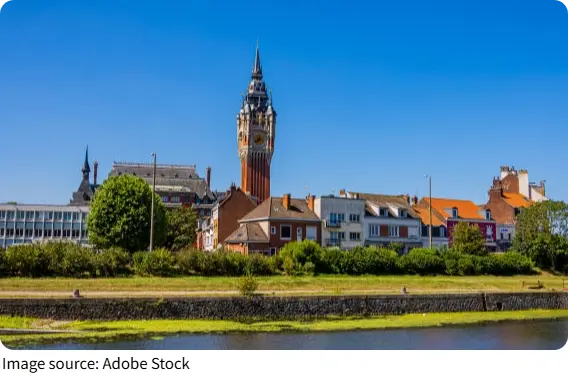
The 75-meter Town Hall Belfry pairs red brick and white stone with sweeping city panoramas. The entrance sits on Place du Soldat Inconnu, an easy walk from central stops. Seasonal openings usually run late morning and mid-afternoon, closed Monday, with extra days during school holidays. Guided access costs roughly €3–€6 per person (about $3–$7), with combined Town Hall and Belfry options for groups.
Museums, parks, and seaside escapes—Foggia proves Italy’s heartland can surprise, soothe, and still stay under budget.
Steam boats, wide sands, markets, and Coorong escapes—Goolwa blends river heritage with breezy coastal calm in South Australia.
Holy columns, fortress walls, flower gardens, and green belts—Olomouc layers history and calm beauty in every step.
Golden sands, hidden islands, and castle ruins—Poole flows from lazy harbors to wild cliffs with simple prices and smooth routes.
Amphitheaters and coasts—can a small country fit ruins older than Rome, dunes glowing at dawn, and breezy medinas into one trip?
Discover hidden spots and local experiences beyond the usual trails.
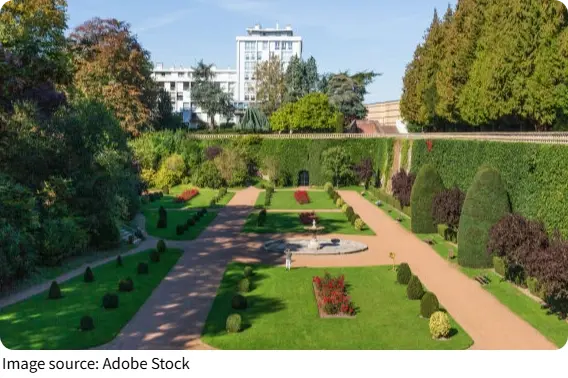
Lighthouse
Climb 271 steps to the 1848 Calais Lighthouse for a clean sweep over town and coast, then explore the compact museum rooms below. Tickets are about €5–€5.50 (roughly $6). Openings typically split between late morning and afternoon; check weather before you climb. It’s downtown at Place Henri Barbusse, served by the local bus stop “Phare.”
Lace Museum
At 135 Quai du Commerce, the City of Lace & Fashion sets historic looms beside contemporary design, with short live demonstrations that bring the machinery to life. It’s open most days except Tuesday; check demo times in advance. Admission is under €10 (about $11), with on-site facilities and easy parking nearby.
Beach Walk
Calais Beach and its promenade are open all day, perfect for sunrise runs or sunset strolls. Expect wide sands, a paved path, and family-friendly cafés. Layers are smart outside summer—breezes stay brisk even on clear days.
Plage de Calais
Cliff Views
For an afternoon drive, head to Cap Blanc-Nez for cliff-top paths and long coastal views. Main parking sits near the lookout, with overflow in the village of Escalles. Arrive early on holidays for easier spaces. The site is open year-round, and evening light is ideal for photos.
Getting Around
Calais’ Imag’in network makes getting around simple—and free. Hop between center, port, and coast without tickets. In season, a free double-decker coastal line adds scenic transfers along the waterfront. Long-distance coaches arrive near central connections, making it easy to skip driving altogether.
Where to Stay
Hotels range from about $57 to $100, with walkable options near the port and Town Hall. Campanile Calais and similar properties often average $70 per night when booked early. Weeknights are usually cheaper than weekends; breakfast packages simplify mornings.
How to Arrive
Frequent ferries from Dover reach Calais in under two hours, landing close to central streets. Cars and foot passengers disembark near bus links, and coaches offer affordable direct routes with mobile tickets and Wi-Fi. Once in town, rely on the free bus network and reserve parking time for the beach or cliffs.
Smart Pairing
Combine the Belfry and Lighthouse in one short loop—both central and quick to visit. Add the Lace Museum early afternoon to catch a loom demo, then finish with dinner and a stroll along the promenade. On day two, drive or ride out to Cap Blanc-Nez, park once, and walk signed overlooks before returning on the coastal bus line.
Conclusion
Calais rewards simple plans: one skyline climb, one design stop, and one slow seafront session, all connected by free buses and short distances. Sketch a two-line itinerary—day, time, and one must-see—and let the city do the rest.