Smart Eco Packaging Ideas

Kenji
24-08-2026
 · Information Team
Every day, countless products are unwrapped and discarded within minutes, leaving behind packaging that serves little purpose beyond protection and presentation. This pattern has sparked a growing demand for smarter solutions—ones that reduce waste without compromising functionality or aesthetics.
Creative eco-friendly packaging design is no longer just a trend; it is becoming a necessary shift in how products are conceived, delivered, and experienced.
Rethinking the Purpose of Packaging
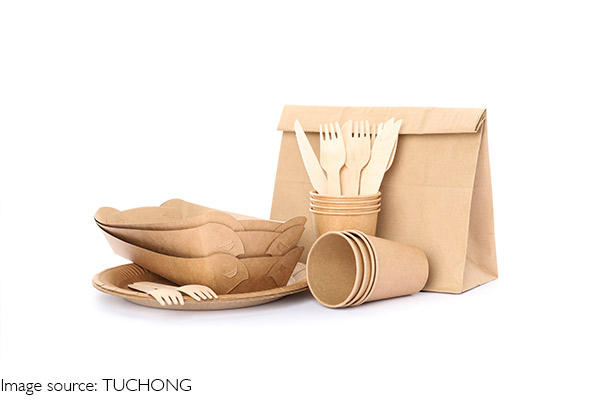
Traditional packaging often prioritizes appearance and convenience over sustainability. However, innovative design begins by redefining purpose. Instead of asking how packaging can look appealing, designers now ask how it can serve multiple roles. Packaging can be reusable, transformable, or even part of the product itself. This shift reduces the need for single-use materials and encourages consumers to see packaging as something valuable rather than disposable.
How small daily habits can transform your physical and mental well-being.
Can you trust that inner voice?! See why it speaks, twists thoughts, and won’t stay silent!
Can tech protect us? Digital twins help build smarter, global immunity barriers!
Your gut does more! Balanced microbiota supports digestion, immunity, and daily energy!
Feeling fine but something’s off? Routine lab tests might reveal hidden issues early!
What boosts your child’s defense daily? Simple tricks every parent must try!
Designing for Reuse and Longevity
One of the most effective ways to reduce waste is to design packaging that people want to keep. Durable materials, thoughtful structure, and versatile forms can turn packaging into storage containers, organizers, or decorative items. For example, a well-designed box can double as a drawer organizer, while a sturdy glass container can be reused in the kitchen. These designs extend the life cycle of materials and reduce the demand for additional resources.
Minimalism as a Design Strategy
Less material often leads to less waste. Minimalist packaging focuses on using only what is necessary to protect the product. This includes reducing layers, eliminating unnecessary inserts, and optimizing size to avoid excess space. By simplifying structure, brands not only cut down on material usage but also lower transportation costs and environmental impact. Minimalism, when executed thoughtfully, can still deliver a premium and refined aesthetic.
Innovative Materials That Make a Difference
Material selection plays a critical role in sustainable packaging. Designers are increasingly turning to biodegradable, recyclable, or compostable options. Paper-based materials, plant-derived plastics, and molded fiber are gaining popularity as alternatives to traditional plastics. These materials break down more easily or can be reprocessed, reducing their long-term environmental footprint. The challenge lies in balancing durability with sustainability, ensuring the packaging still protects the product effectively.
User Experience and Behavior Change
Even the most sustainable packaging design can fail if users do not engage with it correctly. Clear instructions and intuitive design can guide consumers toward reuse or proper disposal. Labels that explain how to recycle or repurpose packaging make a significant difference. Additionally, designs that are easy to open, reseal, or store encourage continued use rather than immediate disposal. In this way, packaging design influences not only environmental outcomes but also user behavior.
Key Principles of Eco Packaging
Successful eco-friendly packaging often follows a set of core principles:
1. Reduce material usage without compromising protection
2. Prioritize reusable and multi-functional designs
3. Choose materials with lower environmental impact
4. Simplify structure to improve efficiency and recyclability
5. Guide users toward sustainable habits through clear design
These principles provide a practical framework for creating packaging that aligns with modern environmental goals.
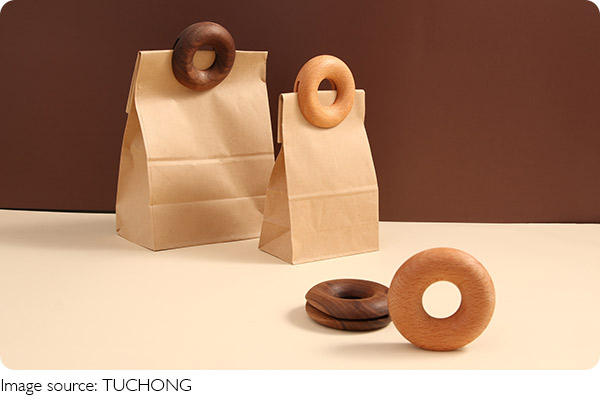
In the end, creative packaging design is about more than reducing waste—it is about changing how we think about everyday objects. When packaging is designed with intention, it becomes part of a larger system that values efficiency, responsibility, and innovation. As consumers and designers continue to embrace these ideas, even small changes in packaging can lead to meaningful progress, proving that thoughtful design has the power to reshape habits and expectations.