Horse Riding Skills

Sophie
11-03-2026
 · Animal Team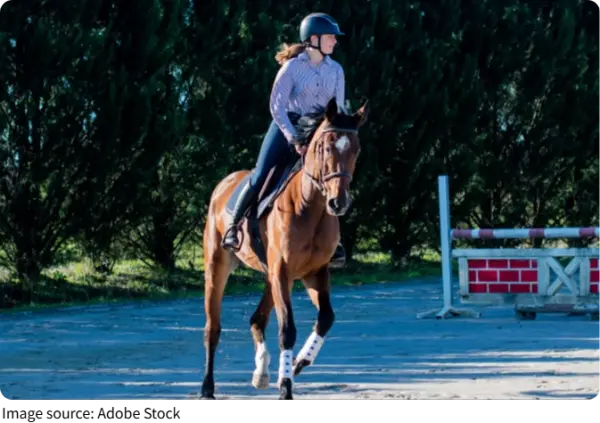
Learning to ride a horse is a unique blend of excitement, patience, and trust.
The first time you mount a horse, there's a mix of anticipation and nervous energy—how the animal responds to your posture, hands, and voice is fascinating. Riding isn't just about sitting on a horse; it's a conversation with a living partner, where balance, rhythm, and awareness are essential.
From leisurely trail rides to competitive dressage, understanding the fundamentals sets the stage for more advanced skills. Riders who master basics such as mounting, rein control, and proper leg positioning often enjoy a smoother progression toward cantering, jumping, and more complex maneuvers.
Weather & Best Conditions for Riding
Practical tips on feeding, grooming, and stable upkeep for healthy horses.
Fascinating Insights into the Adaptability and Behavior of Canis latrans
Explore how these majestic cats survive and thrive in their habitats.
How rebuilding habitats can revive struggling animal populations.
Exploring the behavior, abilities, and hidden life of Puma concolor.
How Muscle, Anatomy, and Gaits Power Nature’s Fastest Runners.
Spring
Spring brings comfortable temperatures and blooming scenery, ideal for outdoor lessons and trail riding. Avoid days immediately after heavy rains as the ground may be slippery.
Summer
Warm weather allows for extended practice sessions, but early mornings or late afternoons are best to prevent heat stress for both horse and rider.
Autumn
Crisp autumn air is perfect for riding; trails are picturesque with fall foliage. Watch out for fallen leaves hiding uneven terrain.
Winter
Cold months are suitable for indoor arenas or short outdoor sessions. Dress in layers, and ensure your horse has adequate warmth. Best months for outdoor riding are May, June, September, and October.
Lesson Structure and Training
Beginner Skills
Start with mounting and dismounting safely, holding the reins, and walking with controlled direction. Focus on posture: shoulders back, heels down, and eyes forward.
Tips: Short sessions of 20–30 minutes help build confidence without overwhelming the horse or rider.
Intermediate Techniques
Introduce trotting and cantering, learning to cue the horse effectively. Balance and rhythm become more critical as speed increases.
Tips: Practice transitions between gaits to develop smooth coordination. Use a lunge line to build independence before moving freely.
Advanced Riding
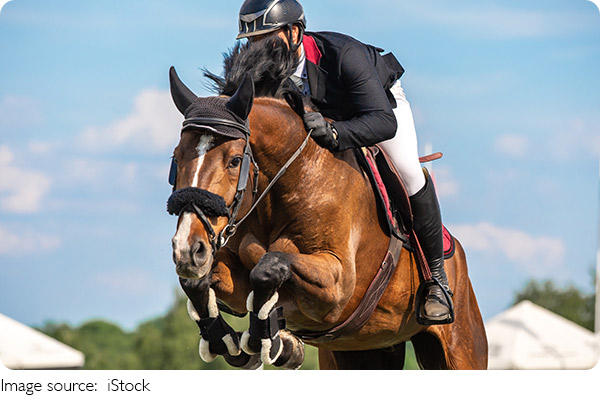
Jumping, dressage, and competitive maneuvers require precision, timing, and trust. Riders refine seat, leg pressure, and rein communication.
Tips: Consistent practice, feedback from experienced instructors, and video analysis improve technique. Safety gear—helmet, gloves, boots—is mandatory.
Horse Care During Lessons
Grooming and Preparation
Brushing, checking hooves, and proper saddle fit prevent injuries and keep the horse comfortable.
Hydration and Breaks
Ensure horses have water and rest between sessions, especially during longer lessons.
Cool-down
Walk horses slowly after intense training to relax muscles and prevent stiffness.
Safety and Equipment
Protective Gear
Always wear a certified riding helmet, boots with heels, and gloves for grip.
Tack Check
Inspect saddles, stirrups, and bridles before each session. Properly adjusted equipment prevents accidents.
Riding Etiquette
Maintain distance from other riders, communicate clearly, and follow instructor guidance. Respecting the horse's signals prevents misunderstandings.
Summary & Tips
Riding combines physical skill, emotional connection, and constant learning. Beginners benefit from consistent practice, focusing on posture and cues, while advanced riders explore rhythm, speed, and precision. Regular care, hydration, and proper equipment make every lesson safer and more enjoyable.
Remember, every ride strengthens your partnership with your horse. Start small, observe your mount closely, and celebrate incremental progress. Soon, what once felt daunting becomes a harmonious experience where you and your horse move together effortlessly.