Outdoor Discoveries

Amit Sharma
07-05-2026
 · Lifestyle Team
Watching children wander through a sun-dappled forest or a field of blooming flowers is like witnessing curiosity in motion.
Every leaf they inspect, every flower they touch, sparks a sense of wonder that's both immediate and profound. Nature, in its quiet complexity, becomes their playground, teacher, and canvas all at once.
Understanding Nature Through Exploration
1. Observing Plants Up Close
When children crouch to examine a tiny fern or trace the veins of a vibrant petal, they are doing more than looking—they are learning to notice detail. This hands-on observation helps them understand the textures, colors, and structures of plants, turning abstract concepts into tangible experiences. Parents or educators can guide this exploration by asking simple questions like, “What do you feel when you touch the leaf?” or “How many colors do you see in this flower?” These moments cultivate mindfulness and a deep connection to the living world.
Simple routines to keep your greenery thriving all year
Discover the centuries-old art of picking lotus in Vietnam’s heartland
Discover the clever techniques behind Vietnamese traditional fishing nets and how they catch fish so efficiently!
Unleash Your Space: How Bohemian Interior Design Transforms Your Home Into A Free and Artistic Haven!
How to design a timeless and soothing space with balanced tones
This Simple Layout Trick Makes Any Room Feel Twice as Big
2. Discovering Hidden Ecosystems
A forest or garden holds entire ecosystems in miniature. Children often find ants marching along twigs, beetles burrowing into soil, or snails gliding across damp leaves. Observing these interactions gives them insight into how life is interconnected. It's a gentle introduction to ecology: the idea that every creature, no matter how small, has a role in the balance of nature. Such discoveries often ignite a lifelong fascination with wildlife and environmental stewardship.
3. Learning Through Play
Nature becomes a natural classroom when children are allowed to play freely. Collecting fallen leaves, arranging petals, or stacking stones introduces basic concepts of pattern, symmetry, and design. Play encourages creativity and problem-solving while reinforcing patience and persistence. For instance, trying to build a tiny twig shelter teaches spatial awareness and planning, while experimenting with leaf colors can spark early lessons in science and art.
Building Emotional Connections
1. Curiosity and Confidence
Exploring outdoors encourages children to take initiative and make discoveries independently. When they notice a flower blooming or a caterpillar crawling, the sense of accomplishment nurtures confidence. This personal engagement with the environment fosters pride and a positive attitude toward learning.
2. Emotional Well-being
The quiet of a forest or the gentle sway of wildflowers has a calming effect. Children who spend time in nature often show lower stress levels and improved mood. These experiences help them manage emotions naturally, creating an early understanding of how environment influences well-being.
3. Social Interaction
Exploring together encourages communication and teamwork. Sharing discoveries, comparing findings, and helping each other navigate natural obstacles builds cooperation and empathy. Outdoor exploration becomes not just a personal experience but a shared adventure that strengthens relationships.
Practical Tips for Outdoor Discovery
1. Safety First
Always supervise children in natural spaces and ensure they understand boundaries. Explain which plants or insects should not be touched, and bring basic first-aid items just in case.
2. Bring the Right Tools
Binoculars, magnifying glasses, and simple field guides can enhance observation. A small notebook for sketching or jotting notes allows children to document discoveries and reflect on their experiences.
3. Encourage Reflection
After the exploration, ask children to share what they saw, felt, and wondered about. These conversations reinforce learning and deepen appreciation for the environment.
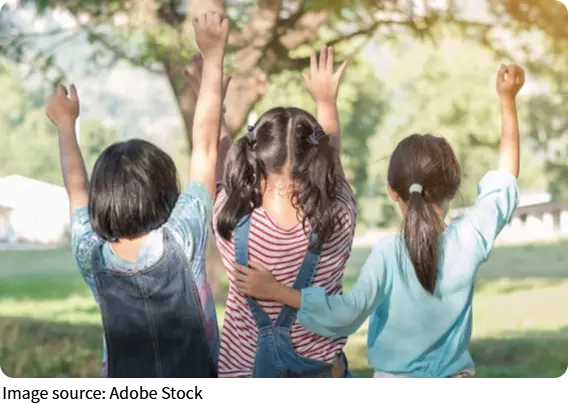
Stepping outdoors with children is more than a recreational activity—it is an invitation into curiosity, creativity, and connection. Each leaf examined and each flower admired becomes a lesson in patience, observation, and the intricate beauty of life. By nurturing these experiences, we allow children to grow not only in knowledge but in wonder, empathy, and respect for the world around them.