A Tale of Beauty and Grace

Mariana Silva
27-02-2024
 · Animal Team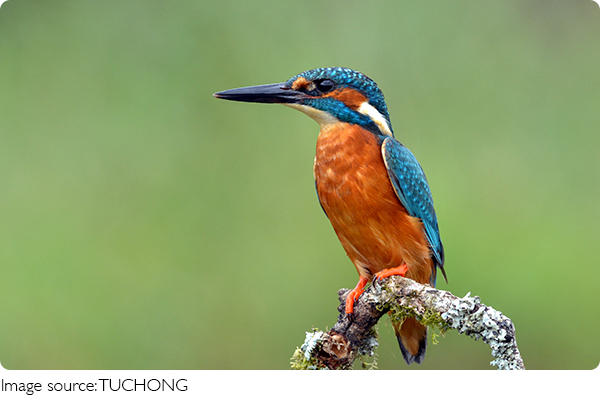
The kingfisher, a small bird brimming with spirituality and vibrant colors, gracefully dances among the treetops in the early morning forest.
Its emerald green feathers shimmer like a beacon of brightness, infusing a sense of freshness and vitality into the surroundings.
Throughout history, kingfishers have been imbued with auspicious symbolic meanings, captivating people's imaginations worldwide. Let us embark on a journey to explore the enchanting world of these majestic creatures.
Origins
Kingfishers belong to the Alcedinidae family and have delicate features and a lively demeanor. They predominantly inhabit tropical and subtropical regions, gracefully navigating between branches and soaring through the air.
Foxes, enigmatic creatures blending cunning habits with spiritual significance, intrigue human history and culture.
Comprehensive Guide to Cat Care: Fostering Love and Responsibility.
Brown bears, or what we normally call grizzly bears.
Canada goose is a large migratory bird with distinctive markings, habitat spans continents, showcasing nature's beauty.
Nature's turtles, from cute marvels to formidable giants, highlight biodiversity and conservation challenges.
Exploring Earth's Deepest Ocean Realm.
The name "kingfisher" derives from their splendid plumage. Common species include the radiant emerald blue and emerald green, leaving indelible impressions on all who behold them.
Distinctive Features
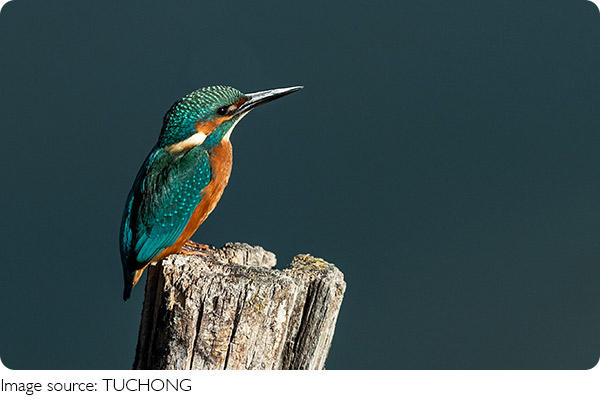
The kingfisher's hallmark lies in its kaleidoscopic array of features. Foremost among them is its stunning plumage. Each species boasts a unique color palette, from vibrant greens to iridescent blues and purples, radiating captivating hues that enrapture the senses.
Furthermore, the kingfisher's elongated, tapering beak is exquisitely adapted for hunting insects and small invertebrates. Its flight, characterized by graceful swoops and agile maneuvers, evokes a sense of awe and admiration.
Natural Habitat
Kingfishers thrive in diverse habitats, including tropical rainforests, grasslands, and wetlands. They prefer nesting amidst dense foliage, seeking shelter and protection from the elements.
Within these verdant realms, kingfishers adeptly hunt insects, ensuring their survival. However, the expansion of human activities and deforestation pose grave threats to their habitats, jeopardizing their continued existence.
Behavioral Patterns
Diurnal by nature, kingfishers are active during daylight hours, seeking refuge in branches or tree hollows come nightfall. Their diet primarily consists of insects and small invertebrates, which they skillfully capture in mid-air displays of hunting prowess.
Social creatures and kingfishers often travel in flocks, particularly during breeding seasons, where they collaboratively build nests and care for their young.
Cultural Significance
Beyond their ecological significance, kingfishers hold profound cultural symbolism. Revered as harbingers of good fortune and prosperity in many cultures, they embody notions of auspiciousness and beauty.
Traditional Chinese folklore depicts the kingfisher as a celestial creature, symbolizing luck and happiness. Similarly, jade, often associated with kingfishers, represents wealth and power. In Western narratives, kingfishers are prominently in fairy tales, symbolizing freedom and joy.
Conservation Efforts
Despite their cultural significance, kingfishers face mounting threats due to human activities and habitat loss. Concerted conservation efforts are imperative to safeguard these beloved creatures.
Establishing nature reserves to protect their habitats, enforcing laws against illegal hunting and poaching, and conducting scientific research to understand their ecological needs are critical to survival.
In Conclusion
With its ethereal beauty and graceful demeanor, the kingfisher holds a special place in nature and culture. It is incumbent upon us all to take action to preserve these enchanting creatures for future generations.
Let us unite to protect their habitats, uphold their rights, and celebrate their presence in our world. For in the flight of the kingfisher lies a testament to the enduring spirit of beauty and grace.