Ocean Wonders

Malcolm
24-03-2025
 · Animal Team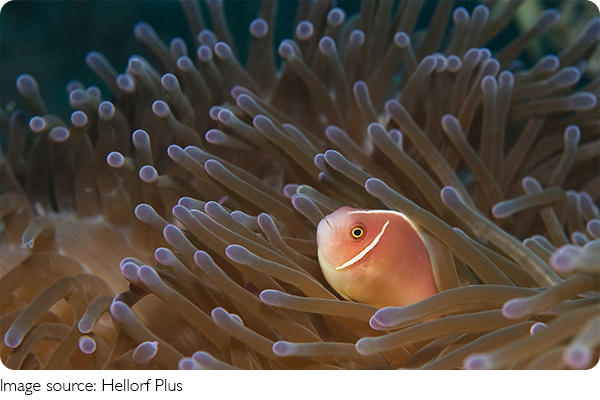
Sea anemones are amazing marine creatures that belong to the order Actiniaria, part of the phylum Cnidaria. Named after the colorful terrestrial anemone flower, these creatures are known for their vibrant appearance.
Unlike jellyfish, sea anemones do not go through a medusa stage in their life cycle, which makes them unique in the world of cnidarians, which also includes corals and hydras. As we explore the ocean’s wonders, we find that sea anemones’ beauty and fascinating behaviors make them stand out in the underwater world.
Physical Characteristics and Structure
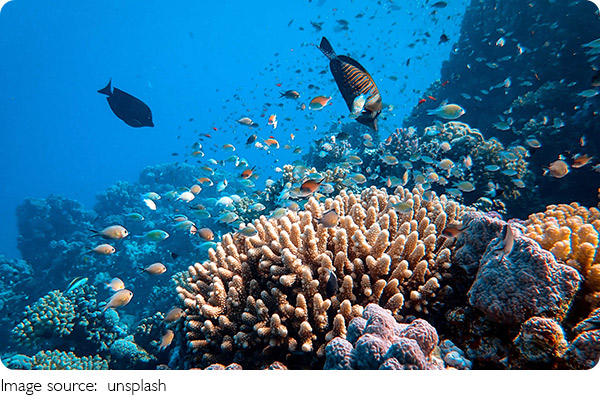
A typical sea anemone is a single polyp, usually attached to hard surfaces like rocks or coral. However, some species prefer soft sediments or even float near the water’s surface. Their body consists of a columnar trunk with an mouth disc at the top, surrounded by tentacles. The central mouth is located at the center of the disc.
Uncover the fascinating genetics and evolution behind pandas and what makes them so special in the animal kingdom!
Want to know why the white stork is Germany’s lucky bird? Learn about why it’s seen as a symbol of hope and prosperity!
Discover the Amazing World of Antelopes: Where They Live and Why They're So Fascinating!
Is Your Dog’s Lick a Kiss or a Secret Message? The Truth Will Shock You!
Ensure your horse stays healthy and happy with these simple care tips! Perfect for every horse owner!
Create the ideal water conditions for your goldfish and watch them grow strong and vibrant with these expert tips!
The tentacles, which are armed with stinging cells called cnidocytes, can retract or expand to catch passing prey. This ability helps sea anemones capture small animals to eat, providing an interesting glimpse into how they hunt and feed.
Symbiotic Relationships
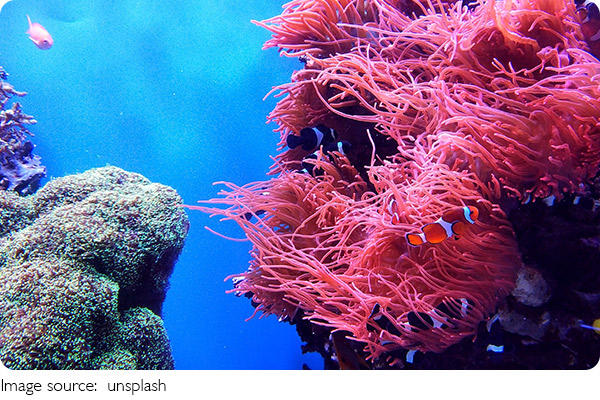
Sea anemones form mutually beneficial relationships with other marine animals. One famous partnership is with clownfish. These fish find shelter in the sea anemone’s stinging tentacles, where they are protected from predators. In return, clownfish help clean the anemone by eating parasites. This mutual relationship is an excellent example of how creatures in the ocean rely on each other.
Additionally, some sea anemones live in symbiosis with algae, such as zooxanthellae, which live inside the cells of the anemones. These algae photosynthesize and provide extra nutrients to the anemones, helping them survive in environments where food might be scarce.
Anemone Killer Fish Traps | World's Weirdest
video by Nat Geo Animals
Breeding and Reproduction
Sea anemones reproduce in two main ways: sexually and asexually. In reproductive reproduction, they release male gametes and eggs into the water, where fertilization occurs. The fertilized eggs develop into planula larvae, which then float in the water before settling on the seabed and growing into juvenile polyps.
Sea anemones can also reproduce asexually by splitting into smaller parts, each of which regenerates into a new polyp. This method allows them to quickly increase their numbers in the right conditions.
Threats and Conservation
Although sea anemones are not currently endangered, they face threats from the trade in marine ornaments. The collection of sea anemones for reef aquariums can harm local populations and disrupt marine ecosystems. This unsustainable practice highlights the need for better conservation efforts to protect these incredible creatures.
We must be mindful of how our actions affect the health of marine environments and take steps to ensure sea anemones continue to thrive in the wild.
Final Thoughts
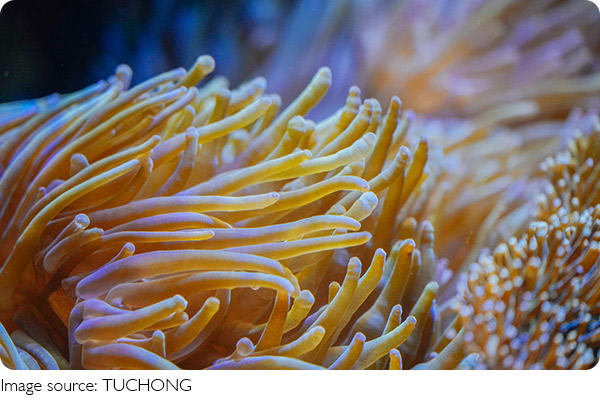
In the end, sea anemones are not just stunning creatures, but they are also essential players in marine ecosystems. Their unique biology, fascinating symbiotic relationships, and reproductive strategies make them crucial to maintaining ocean life. The next time we find ourselves by the sea, let's take a moment to admire these incredible beings and the beauty they bring to the underwater world.
Lykkers, let's remember to respect and protect these remarkable creatures, as they are an important part of the marine life we all treasure.