Destruction to Depression

Malcolm
05-03-2025
 · Animal Team
Separation anxiety is a stress response displayed by dogs when they are apart from their bonded person or people. Similar to how humans have panic attacks, dogs with separation anxiety exhibit various distress signals when left alone.
These can range from mild symptoms like pacing and whining to extreme anxiety, where they may harm themselves in an attempt to reunite with their beloved humans. So how and what to do when you have to leave your dog at home alone?
Supporting Dogs with Separation Anxiety
The key to helping dogs cope with separation anxiety lies in reducing their dependence on their owners and teaching them to relax during absences. This process requires time, patience, and a structured approach tailored to the individual dog's needs.
The Shocking Truth Behind "Puppy Dog Eyes" – Are Dogs Manipulating You?
Unlock the Secret Life of the Eurasian Lynx – Nature’s Most Mysterious Wild Cat!
Winter Is Coming: Is Your Pet Bird Ready for the Cold?
Discover Why Snail Slime Is the Secret to Glowing, Youthful Skin – You Won’t Believe What It Can Do!
Unbelievable Cat Facts That Will Leave You Amazed!
Witness the Miraculous Transformation of Butterflies – From Egg to Beautiful Creatures in Just a Few Weeks!
Trainers or behaviorists specializing in separation anxiety, such as certified separation anxiety trainers (CSATs) or veterinary behaviorists, can provide guidance in developing a behavior modification plan. It's essential to seek professionals who practice positive reinforcement techniques.
Behavior Modification
Effective treatment involves gradually altering the dog's perception of solitude through incremental exposure to alone time. This method, known as systematic desensitization, aims to build the dog's confidence and calmness without their human present. The training should progress at the dog's pace, with the duration of absences increasing as the dog remains calm and relaxed.
Avoid Prolonged Solitude
During the training period, the dog should never be left alone for extended periods. Enlist the help of neighbors, friends, or dog sitters to prevent setbacks and maintain progress. Consistency in managing absences is crucial to avoid undoing the training efforts.
Physical and Mental Simulation
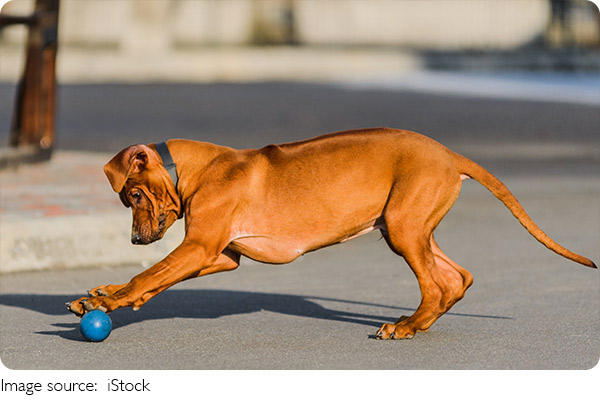
Regular exercise can benefit dogs with separation intolerance, a milder form of separation anxiety. Engaging your dog in mentally stimulating activities before leaving can help them settle better during your absence. Interactive toys and puzzle games that challenge their cognitive abilities are recommended to keep their minds occupied.
Caution with Food Toys
While interactive food toys can be enjoyable for dogs, they may become associated with negative feelings for those with severe separation anxiety. Overuse of these toys before departures can trigger panic once the treat is consumed and the person remains absent. It's important to gauge your dog's reactions and adjust accordingly to prevent heightened anxiety.
Separation Anxiety- Never Pay a Trainer Again
Video By Beckman's Dog Training