Goats in Rajasthan

Declan Kennedy
30-10-2024
 · Animal Team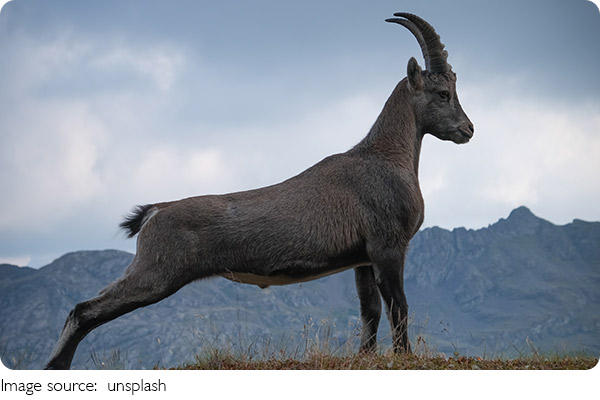
In the desert landscape of Rajasthan, goats play an essential role in the livelihood and culture of local communities.
Known for their resilience to harsh weather and scarce resources, these animals are a vital source of income and sustenance for families across this region.
The Role of Goats in Rajasthan's Economy
A Source of Income and Employment
Goat farming is a primary source of income for many Rajasthani households, especially in rural areas. The demand for goat products—meat, milk, and hides—is high, both within India and internationally, allowing farmers to earn a steady income. Moreover, the market for goats increases during festivals like Eid, when demand for quality livestock rises significantly.
Elephant Conservation: Why Do These Giants Need Our Help?
Discover the captivating elegance of the Yellow-billed Stork, nature's graceful fisherman
Jaipur Elephant Festival: Rajasthan's Royal Celebration! Click to See Why You Shouldn't Miss It!
A Bond of Love: Know How Pets Affect Our Well-Being!
Fish eyes uniquely adapt to their underwater world, highlighting profound visual differences from humans.
Cats prefer high places to satisfy instincts, safety, entertainment, psychological, and space needs.
Accessible and Low-Cost Livestock
Goats are relatively easy and affordable to raise compared to other livestock, making them ideal for small-scale farmers with limited resources. Goats require less land, water, and feed, thriving even in the dry, arid conditions of Rajasthan. This low-cost upkeep makes goat farming an accessible option for households with modest means.
Common Goat Breeds in Rajasthan
Sirohi
The Sirohi breed is one of the most popular in Rajasthan, known for its ability to survive in extreme temperatures. It has a distinctive short coat, often with brown or white markings, and produces high-quality meat and moderate milk, making it a versatile choice for farmers.
Marwari
The Marwari goat, native to the Marwar region, is another widely-reared breed. Recognized by its black or brown coat, this breed is highly adaptive to the dry climate and requires minimal care, making it well-suited for Rajasthan's rural communities.
Jakhrana
The Jakhrana breed, originating from the Alwar district, is favored for its milk-producing ability. Farmers in the region often use Jakhrana goats for dairy purposes, and the breed is known for high milk yield, which is used in local dairy products like cheese and ghee.
Benefits of Goat Farming in Rajasthan
Nutritional Support
Goat milk is a nutritious staple in many Rajasthani households. High in vitamins and easier to digest than cow's milk, it provides a valuable food source, especially for children and the elderly. Goat meat, too, is widely consumed in Rajasthani cuisine, providing a lean source of protein for local diets.
Resilience in Arid Conditions
Goats are naturally suited to Rajasthan's dry climate, needing less water and vegetation than larger livestock. This adaptability makes them ideal for the region where droughts are common and agricultural resources are limited. Goats can graze on sparse vegetation, helping to prevent over-reliance on crops that may fail due to drought.
Challenges in Goat Farming
Although goat farming is crucial to the livelihoods of many in Rajasthan, it faces challenges such as diseases, lack of veterinary care, and resource scarcity. The absence of infrastructure for proper feed and healthcare limits the potential for growth and productivity in the goat farming sector.
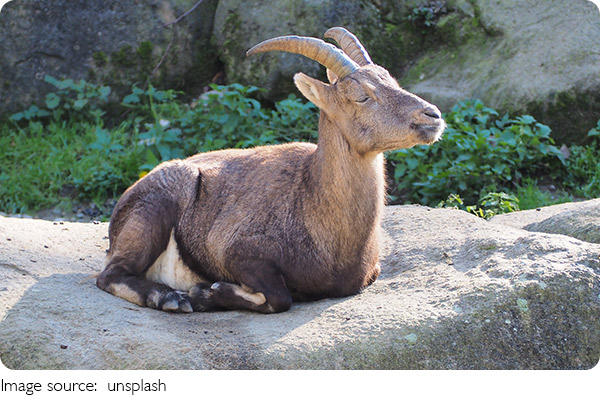
Goats are much more than just livestock in Rajasthan — they are a lifeline for many rural families, providing essential resources and economic stability. Dear Lykkers, as climate change and economic shifts impact traditional agricultural practices, goats continue to be a sustainable and reliable asset for the people of Rajasthan.
With increased support and resources, goat farming in Rajasthan has the potential to become an even more integral part of the region's economy and cultural heritage, ensuring that the desert communities not only survive but thrive in challenging conditions.