Indian Ringed Parakeet

Lucas Schneider
29-10-2024
 · Animal Team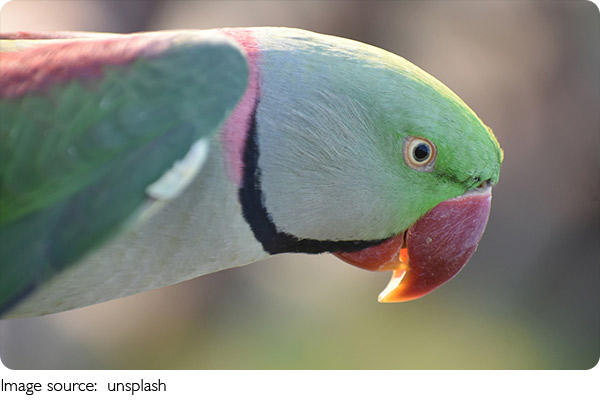
Dear Lykkers! The Indian Ringed Parakeet, also known as the Indian Ringneck Parakeet (Psittacula krameri), is a vibrant and charming bird that has captured the hearts of bird enthusiasts and pet lovers alike.
Known for its striking appearance and sociable nature, this parakeet is often regarded as an "ornamental" bird, gracing homes and gardens with its colorful presence.
A Closer Look at the Indian Ringed Parakeet
Physical Characteristics
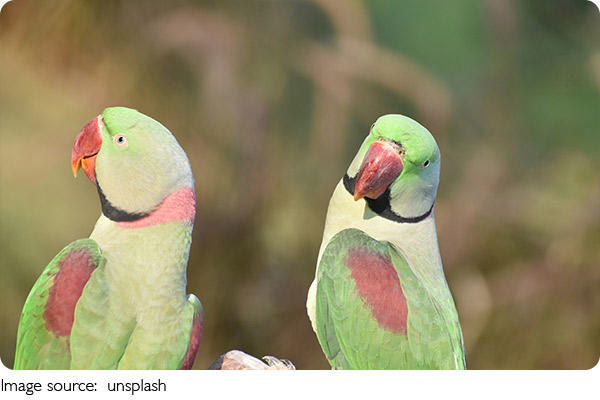
The Indian Ringed Parakeet is distinguished by its striking plumage, which typically showcases a bright green body, making it an eye-catching sight. Adult males are known for their distinctive neck rings—a black ring with a rose-pink hue that appears when they reach maturity, usually around 2-3 years of age. Females, while still beautiful, lack this prominent feature, often making the males easily identifiable.
With its excellent fishing skills and elegant flying posture, the pelican has become an elegant messenger soaring freely in the sky.
They have impressive size, stunning plumage, and extraordinary fishing skills.
Roaring Majesty: Exploring the Fascinating World of Tigers.
The giraffe has an unforgettable neck, it's just too long!
The deer family is characterized by solid, forked horns on the head of males.
Rabbits are gentle, social animals known for their unique habits, charming personalities, and relatively simple care needs!
Size and Lifespan
These parakeets are medium-sized, measuring about 16 inches (40 cm) in length, including their long tails. With proper care, they can live up to 25 years in captivity, making them a long-term companion for those who choose to keep them as pets.
Things to Know Before Getting Indian Ringneck Parrot
Video by Denny the Budgie
Habitat and Distribution
The Indian Ringed Parakeet is native to the Indian subcontinent, particularly found in India, Bangladesh, and Nepal. They thrive in a variety of habitats, including forests, grasslands, and urban areas. Their adaptability to different environments has led to their introduction in various regions worldwide, where they are often seen in parks and gardens.
Behavior and Social Structure
Sociable Creatures
Indian Ringed Parakeets are known for their social behavior. In the wild, they are often found in flocks, exhibiting a strong social structure. Their playful and interactive nature makes them popular among bird enthusiasts. They thrive on companionship and require regular interaction, whether with their owners or other birds.
Vocal Abilities
One of the most charming traits of these parakeets is their vocal ability. They are known for their varied vocalizations, which range from cheerful chirps to melodious whistles. With proper training, they can also learn to mimic human speech and sounds, adding to their appeal as companion birds.
Diet and Nutrition
In their natural habitat, Indian Ringed Parakeets primarily feed on seeds, fruits, and nuts. In captivity, a well-balanced diet is crucial for their health. A mix of high-quality seeds, pellets, fresh fruits, and vegetables should be provided to meet their nutritional needs. It's essential to avoid avocado and chocolate, which are toxic to birds.
Breeding and Nesting
Breeding Season
The breeding season for Indian Ringed Parakeets typically occurs from February to May. During this time, males become more vocal and display courtship behaviors to attract females. Nesting usually takes place in tree hollows or man-made structures.
Egg Laying and Raising Chicks
The female lays around 3 to 6 eggs, which she incubates for about 21 days. After hatching, the chicks are dependent on their parents for food and care for several weeks before they fledge. Both parents play an active role in raising their young, showcasing their strong family bonds.
Why They Are Considered Ornamental
Indian Ringed Parakeets have long been regarded as ornamental birds, often kept for their striking beauty and playful nature. Their vibrant colors, charming personalities, and ability to interact with humans make them a popular choice for bird lovers around the world.
Additionally, their presence in gardens and homes adds a splash of color and life, making them a beloved ornamental species. However, potential owners should be aware of their social needs and commitment to care, ensuring these delightful birds receive the attention and interaction they thrive on.
The Indian Ringed Parakeet is more than just an ornamental bird; it is a vibrant representation of the beauty and diversity of avian life. With its striking appearance, social behavior, and vocal abilities, this parakeet brings joy and companionship to many.
By understanding their needs and supporting conservation efforts, we can continue to appreciate and enjoy the charm of these remarkable birds for generations to come.