A Closer Look

Caleb Ryan
18-10-2024
 · Animal Team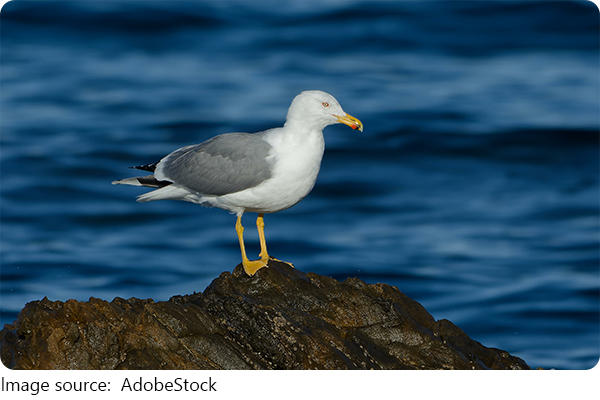
The Common Gull (Larus canus), despite its name, is a species that often escapes the spotlight when compared to its more flamboyant relatives.
Known for its distinctive features and behaviors, the Common Gull occupies a unique niche in the avian world. Let's delve into the life, habitat, and conservation status of this fascinating bird.
Appearance and Identification
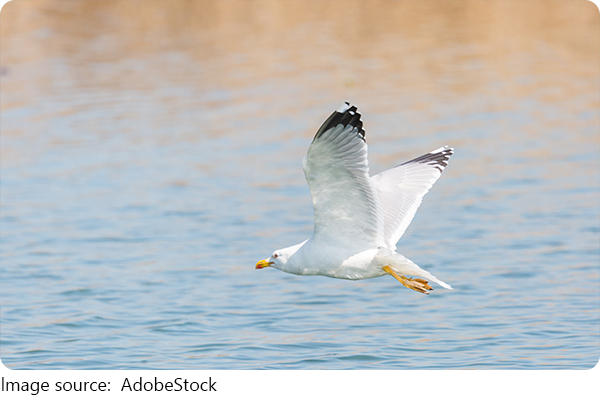
The Common Gull is a medium-sized bird, measuring about 40-46 cm in length with a wingspan ranging from 110-125 cm. It is often confused with other gull species due to its relatively plain appearance. However, several distinguishing features set it apart. Adults have a light grey back, white head and underparts, and black-tipped wings with white "mirrors" at the tips. During the winter, the head and neck display streaks of grey. Their legs are greenish-yellow, and their bill is yellow with a faint greenish hue, unlike the brighter, more vibrant bills of other gull species.
The elegant heron thrives in wetlands, showcasing expert hunting, social nesting, and ecological balance.
Squirrels and chipmunks, with distinct behaviors, favor trees and ground, respectively, adapting to ecological roles.
Stunning World of Macaws: Nature's Colorful Marvels Grabbing Your Attention!
Watch a butterfly's transformation unfold from a tiny egg to a graceful adult!
Find out why having a cat offers not just love and joy but also health benefits and stress relief!
Deer, nature's graceful adventurers, help shape ecosystems while gracefully coexisting with humans!
Juvenile Common Gulls have mottled brown and grey plumage, which gradually changes as they mature. They achieve their full adult plumage by the time they are about three years old.
Habitat and Distribution
The Common Gull has a broad geographical range, spanning much of the Northern Hemisphere. In Europe, they are found from the Atlantic coast eastwards across Scandinavia. Their range extends into North America, where they are known as Mew Gulls. These birds are highly adaptable and can thrive in various environments, from coastal regions and estuaries to inland lakes, rivers, and even urban areas.
During the breeding season, Common Gulls prefer habitats near water, such as marshes, lakeshores, and coastal cliffs. They build their nests on the ground, often in colonies, and line them with grasses and feathers. In the winter, they migrate to milder coastal regions, forming large flocks that can be seen along shorelines and estuaries.
Diet and Feeding Behavior
Common Gulls are opportunistic feeders with a varied diet. Their primary food sources include insects, earthworms, small fish, and marine invertebrates. They are also known to scavenge, feeding on carrion and discarded human food. This adaptability in their diet allows them to thrive in diverse environments, from pristine natural habitats to human-altered landscapes.
One of the most interesting aspects of their feeding behavior is their foraging technique. Common Gulls are known to follow plows in agricultural fields, picking up invertebrates and small animals unearthed by the machinery. They also exhibit kleptoparasitic behavior, where they steal food from other birds, showcasing their resourcefulness and adaptability.
Breeding and Lifespan
The breeding season for Common Gulls begins in late spring. They are monogamous, with pairs often returning to the same nesting site year after year. The female typically lays two to three eggs, which both parents incubate for about three to four weeks. The chicks are precocial, meaning they are relatively mature and mobile shortly after hatching. Both parents share the responsibility of feeding and protecting the young until they fledge at around five to six weeks of age.
Common Gulls have a relatively long lifespan, with many individuals living up to 10-15 years in the wild. Some have been recorded to live even longer, up to 25 years, highlighting their resilience and adaptability.
Conservation Status and Threats
The Common Gull is currently listed as a species of Least Concern by the International Union for Conservation of Nature (IUCN). Their population is stable, and they are widespread across their range. However, like many bird species, they face several threats that could impact their numbers in the future.
Habitat loss due to urbanization and agricultural expansion is a significant concern. Pollution, particularly plastic waste and chemical contaminants, poses a threat to their food sources and nesting sites. Climate change also presents challenges, potentially affecting their migratory patterns and the availability of suitable habitats.
Conservation efforts for Common Gulls focus on preserving their natural habitats and mitigating the impact of human activities. Protecting wetlands, reducing pollution, and promoting sustainable land-use practices are crucial for ensuring the long-term survival of this species.
The Common Gull, with its adaptability and resilience, is a remarkable species that plays an essential role in the ecosystems it inhabits. Understanding and appreciating the nuances of their behavior, diet, and habitat needs can foster a greater appreciation for these often-overlooked birds. As we continue to address environmental challenges, the conservation of the Common Gull and its habitat remains an important priority. Through collective efforts, we can ensure that this fascinating species continues to thrive for generations to come.