Stunning Turtles

Ethan Sullivan
29-09-2024
 · Animal Team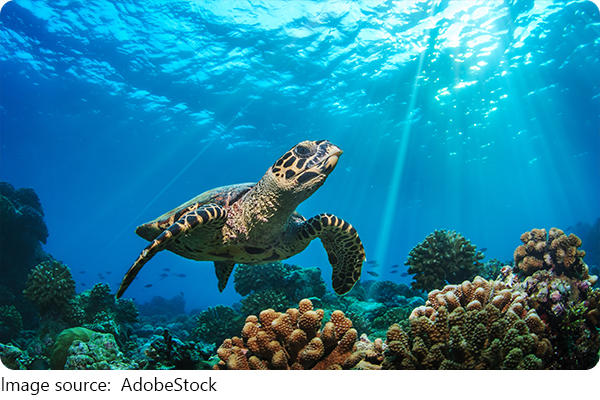
Hey Lykkers! Today, let's dive into the fascinating world of turtles! These remarkable creatures have been around for millions of years and have evolved into some of the most intriguing animals on our planet.
Whether you're a nature enthusiast or just curious, you're in for a treat with some amazing turtle trivia and fun facts. So, let's get started!
Ancient Survivors
Turtles are true survivors of the natural world. They've been around for over 200 million years, making them one of the oldest reptile groups still living today. Imagine that—a turtle living alongside dinosaurs and still thriving in our modern world!
They belong to the order Testudines and are known for their distinctive shells, which protect them from predators and harsh environmental conditions.
Starfish walk? By what? Or are they just carried by the seawater?
The Eastern gray squirrel exemplifies urban wildlife adaptation while influencing local ecosystems and human communities!
Rhinoceros endangered giants vital for ecosystem balance and biodiversity.
Explore roe deer's as wild animals.
Striped Tabby Cats Are Nature's Camouflage Masters—Discover Their Secrets!
Do You KNow Nature's Aerial Acrobats? Dragonflies To Learn About!
Shell Secrets
One of the most interesting features of turtles is their shell. It's not just a protective covering; it's an integral part of their body. The turtle's shell is made up of two parts: the carapace (the top) and the plastron (the bottom).
These are fused to the turtle's ribcage and spine, making it a part of its skeleton. The shell is composed of bone and a layer of keratin, the same protein that makes up human hair and nails.
Sea Turtles 101 | National Geographic
Video by National Geographic
Turtle Tales: Unique Species
Leatherback Turtle: The leatherback is the largest turtle species and can weigh up to 2,000 pounds! Unlike other turtles, it doesn't have a hard shell but a flexible, rubbery one. This adaptation helps it dive to great depths in the ocean to feed on jellyfish.
Box Turtle: Box turtles are known for their unique ability to completely close their shells. They have a special hinge in their plastron that allows them to shut their shell tightly, protecting them from predators. It's like having a built-in security system!
Hawksbill Turtle: This turtle is famous for its beautiful, colorful shell and its role in marine ecosystems. Unfortunately, it's critically endangered due to the illegal trade of its shell, which is used for jewelry and ornaments.
Slow and Steady Wins the Race
We often think of turtles as slow movers, but there's more to their pace than meets the eye. While they may not win any speed records on land, turtles have developed other ways to thrive.
Their slow metabolism allows them to live for a long time—some species can live over 100 years! Plus, their slow and steady approach is a survival strategy that helps them conserve energy and avoid predators.
Amazing Adaptations
Breathing Underwater: Some turtles, like the painted turtle, have a unique adaptation that allows them to breathe through their buttocks. This process, called cloacal respiration, helps them stay underwater for extended periods.
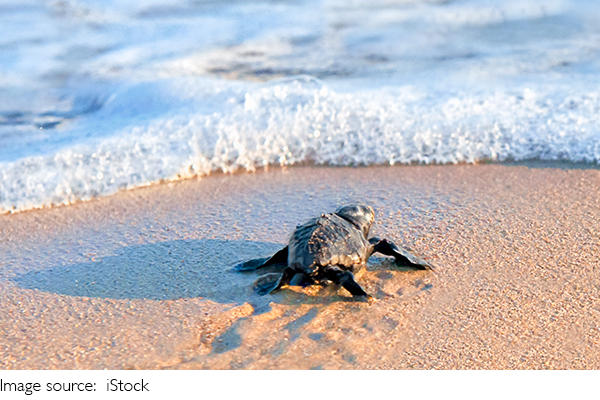
Navigation Skills: Sea turtles are remarkable navigators. They can migrate thousands of miles between feeding and nesting grounds, using Earth's magnetic field to find their way. This magnetic sense is so accurate that they return to the exact beach where they were born to lay their eggs.
Conservation Challenges
Sadly, many turtle species face significant threats from habitat loss, pollution, and climate change. For instance, plastic waste in the oceans is mistaken for jellyfish by leatherback turtles, leading to dangerous blockages in their digestive systems. Conservation efforts are crucial to protect these ancient mariners and their habitats.
How You Can Help
Reduce Plastic Use: Minimize plastic consumption to prevent ocean pollution.
Support Conservation: Get involved with organizations working to protect turtle habitats and promote sustainable practices.
Adopt a Turtle: Consider supporting a wildlife organization that allows you to sponsor a turtle.
So, Lykkers, aren't turtles incredible? From their ancient lineage to their unique adaptations, these creatures are truly marvels of nature. Next time you spot a turtle, take a moment to appreciate its incredible journey through time and the ongoing efforts to ensure its future.