A Resilient Survivor

Liam Reilly
28-08-2024
 · Animal Team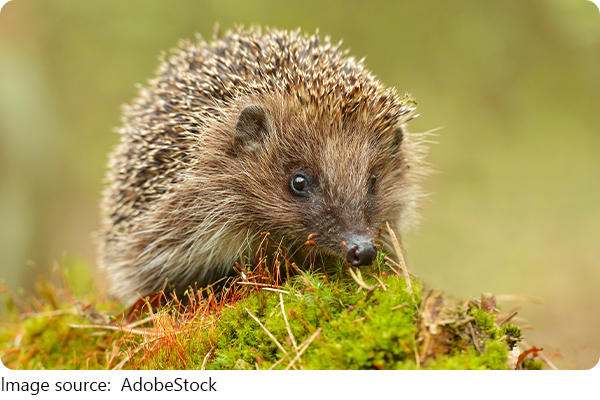
The Daurian hedgehog (Mesechinus dauuricus), a lesser-known but equally captivating member of the hedgehog family, thrives in the harsh and diverse landscapes of Mongolia.
Despite its small size, this resilient creature has adapted remarkably to its environment, exhibiting behaviors and characteristics that make it a unique subject of study in the animal kingdom.
Physical Characteristics and Adaptations
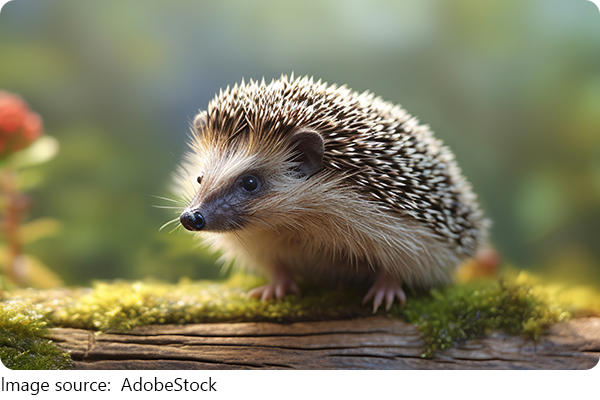
The Daurian hedgehog is a small mammal, typically weighing between 600 to 1,000 grams and measuring about 20 to 28 centimeters in length. Its most distinctive feature is its coat of spines, which are modified hairs that provide protection against predators. Unlike other hedgehogs, the Daurian hedgehog’s spines are not only a defensive mechanism but also help in thermoregulation, allowing the animal to survive the extreme temperatures of its habitat.
Sheep: Nature’s versatile heroes, they graze, give wool, and play key roles in ecosystems!
The cheetah, Earth's fastest land animal, dazzles with unmatched speed and beauty but faces critical threats.
The white rhinoceros is one of the largest rhinoceroses in existence.
Owning a cat boosts happiness, reduces stress, and improves overall health with purring therapy!
Cheetahs climb trees for a better view, to avoid predators, and to protect their cubs.
Let's explore the mechanism of jellyfish luminescence!
This hedgehog species has a robust body, short legs, and a pointed snout, all of which are well-suited for digging and foraging. Its claws are strong, enabling it to burrow into the ground to escape the heat of the day or to create a safe space for hibernation. The Daurian hedgehog’s sense of smell is highly developed, aiding in the search for food, which primarily consists of insects, small invertebrates, and occasionally fruits and vegetables.
Habitat and Range
The Daurian hedgehog is found primarily in the steppe regions of Mongolia, where it has adapted to a variety of landscapes, including grasslands, shrublands, and semi-desert areas. These regions are characterized by extreme temperatures, ranging from scorching summers to frigid winters. The hedgehog’s ability to hibernate during the winter months is a crucial adaptation that allows it to survive when food is scarce and temperatures drop below freezing.
The steppe environment presents numerous challenges, including limited water sources and sparse vegetation. The Daurian hedgehog has developed a nocturnal lifestyle to cope with these harsh conditions, becoming most active during the cooler hours of the night when it can forage for food without the threat of dehydration.
Behavior and Reproduction
Daurian hedgehogs are solitary creatures, coming together only during the breeding season, which typically occurs in late spring or early summer. After mating, the female hedgehog gives birth to a litter of three to six young after a gestation period of about 35 to 45 days. The young are born blind and without spines, which begin to harden within a few days after birth.
Mother hedgehogs are highly protective of their young, keeping them hidden in burrows until they are old enough to fend for themselves. The young hedgehogs typically leave the nest after about six weeks, at which point they must learn to navigate the challenging environment on their own.
One of the most fascinating aspects of the Daurian hedgehog’s behavior is its hibernation process. As winter approaches and temperatures begin to drop, the hedgehog prepares for hibernation by building up fat reserves. It then finds a suitable burrow, where it curls up into a tight ball, reducing its metabolic rate to conserve energy. During hibernation, the hedgehog’s body temperature drops significantly, and it remains in a state of torpor until spring, when temperatures rise and food becomes more abundant.
Conservation and Threats
The Daurian hedgehog, like many other wildlife species, faces several threats, primarily due to habitat loss and human activity. Agricultural expansion, infrastructure development, and climate change are all contributing to the fragmentation of its natural habitat, making it increasingly difficult for these animals to find suitable living spaces and food sources.
Despite these challenges, the Daurian hedgehog is currently not listed as endangered, thanks to its adaptability and wide distribution. However, conservation efforts are essential to ensure that this species continues to thrive in the wild. Protecting its natural habitat, reducing human-wildlife conflict, and conducting further research into its ecology and behavior are crucial steps in safeguarding the future of the Daurian hedgehog.
The Daurian hedgehog is a remarkable example of nature’s adaptability and resilience. Its ability to survive in some of the harshest environments on earth is a testament to its evolutionary success. As we continue to learn more about this fascinating species, it becomes increasingly clear that the Daurian hedgehog is not just a survivor but a symbol of the incredible diversity of life that exists in the world’s most remote and challenging landscapes.
By appreciating and protecting creatures like the Daurian hedgehog, we can help ensure that future generations will also have the opportunity to marvel at the wonders of the natural world.