From Sea to Land

Declan Kennedy
06-08-2024
 · Animal Team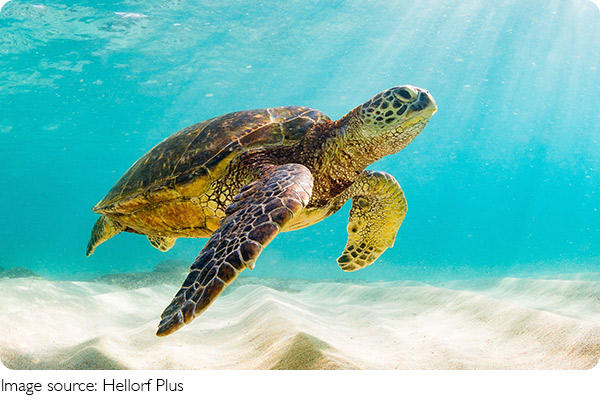
Sea turtles and tortoises are often mistaken for one another, yet they exhibit distinct differences in their ecology, physiology, and behaviors.
Appearance and Habitat
Sea turtles inhabit oceanic environments, characterized by a smooth, streamlined shell that facilitates efficient swimming and protection against predators. Their limbs have evolved into flippers, ideal for swift aquatic propulsion. Sea turtles primarily subsist on seaweed, aquatic plants, and various marine organisms.
On the contrary, tortoises reside in freshwater or terrestrial habitats. Their shells are typically thicker and heavier compared to sea turtles, designed to withstand different environmental pressures.
Tortoises possess clawed limbs suited for walking and foraging on land or in freshwater environments. Their diets vary across species, ranging from aquatic plants to insects and small animals.
Understanding and addressing cats' behavior is essential for ensuring their health and happiness.
Desert bighorn sheep, with their striking spiral horns, thrive in North America's harsh deserts.
8 Stunning Facts About Snow Leopards That Will Leave You Awestruck!
Discover why giraffes have long necks! Reaching high leaves to winning battles and spotting predators, uncover the real reasons now!
Discover the Mind-Blowing Secrets of Dragonflies That Will Leave You Speechless!
10 Surprising Rabbit Facts That Will Totally Change How You See Bunnies!
Life Cycle and Reproduction
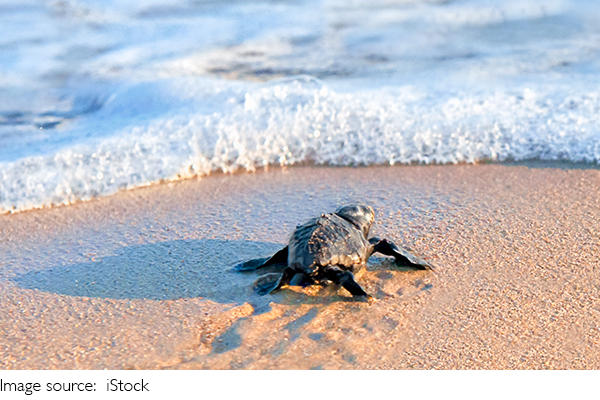
Sea turtles and tortoises differ significantly in their reproductive behaviors and life cycles. Adult sea turtles return to specific beaches or islands to lay eggs, with females digging nests and burying their eggs in the sand. After incubation, hatchlings emerge and instinctively make their way to the ocean to commence their life journey.
In contrast, most tortoises opt for terrestrial or freshwater environments for breeding. Females typically dig burrows on land or sandy areas to deposit their eggs.
Unlike sea turtles, tortoises are less reliant on proximity to marine environments for breeding success. Hatching times and locations vary among tortoise species, with some choosing caves, while others prefer waterside locales.
Conservation Status
Both sea turtles and tortoises confront threats such as habitat loss and population decline. However, sea turtles face more pronounced challenges due to their marine habitats.
Issues like ocean pollution, fishing activities, plastic debris, and climate change pose significant risks to sea turtle populations worldwide. Effective conservation strategies are crucial, encompassing protective measures for nesting sites, fishery regulations, and public awareness campaigns.
While tortoises also contend with habitat loss and human activities, their populations generally face fewer direct threats compared to sea turtles. Nevertheless, numerous tortoise species are categorized as endangered or vulnerable, particularly those inhabiting regions affected by pollution and urban development.
In Conclusion
Sea turtles and tortoises exhibit marked differences in appearance, habitat preferences, life cycles, and conservation statuses. Understanding these distinctions is pivotal not only for the preservation of these invaluable biological resources but also for comprehending their roles within ecosystems.
Preserving sea turtles and their habitats is essential for sustaining the health and balance of both marine and terrestrial environments. Efforts to conserve these species are imperative in safeguarding our planet’s biodiversity for future generations.